In the current regulatory landscape of Queensland, maintaining electrical safety compliance is not merely a best-practice recommendation; it is a stringent legal obligation. The Electrical Safety Act 2002 and the recently updated AS/NZS 3760:2022 standards dictate how businesses in Brisbane and surrounding regions must manage their portable electrical equipment.
Failure to adhere to these mandates poses significant risks, including workplace injuries, catastrophic equipment failure, and severe litigation or fines. At ABC Test Tag & Fire, we frequently observe businesses inadvertently violating these regulations. Below is an authoritative analysis of the seven most common compliance mistakes and the systematic processes required to rectify them.
1. Utilizing Incorrect Testing Intervals
One of the most frequent errors identified during safety audits is the application of incorrect testing frequencies. Many Brisbane businesses operate under the assumption that a "one-size-fits-all" annual approach is sufficient. However, AS/NZS 3760:2022 specifies that testing intervals must be determined by the environment's risk level.
The Mistake: Treating a high-risk construction site in Rocklea with the same frequency as a low-risk office in Eight Mile Plains.
The Fix: You must categorize your equipment based on its environment:
- Construction and Demolition Sites: Every 3 months (strict RGBY color coding applies).
- Factories, Workshops, and Commercial Kitchens: Every 6 months.
- General Office Environments: Every 12 to 60 months, depending on the mobility of the device.
For a detailed breakdown of regional pricing and scheduling, consult our Test and Tag Pricing Guide for Brisbane.
2. Incomplete Asset Identification and Coverage
A common misconception is that "test and tag" services apply only to heavy machinery or power tools. In reality, the legislation encompasses any electrical equipment that is connected to the electrical supply by a flexible cord and/or connecting device.
The Mistake: Failing to include "ancillary" items such as power boards, extension leads, laptop chargers, and even staff-owned kitchen appliances used in the workplace.
The Fix: Conduct a comprehensive audit of every plug-in device on your premises. Ensure that multi-outlet power boards and extension leads are not only tested but are also utilized in a manner that prevents overloading. If a device is used for work-related purposes, it must be integrated into your compliance schedule.
3. Mismanaging Test and Tag Colours in QLD
The visual identification of compliance via colored tags is a critical component of safety management, yet it is often misunderstood. While general industry in Queensland has more flexibility, the construction, demolition, and mining sectors are bound by strict seasonal color requirements.
The Mistake: Using the incorrect color for the current quarter on a construction site, leading to immediate site expulsion or non-compliance notices during WorkSafe QLD inspections.
The Fix: Ensure your service provider adheres to the legislative color rotation for construction:
- Red: December – February
- Green: March – May
- Blue: June – August
- Yellow: September – November
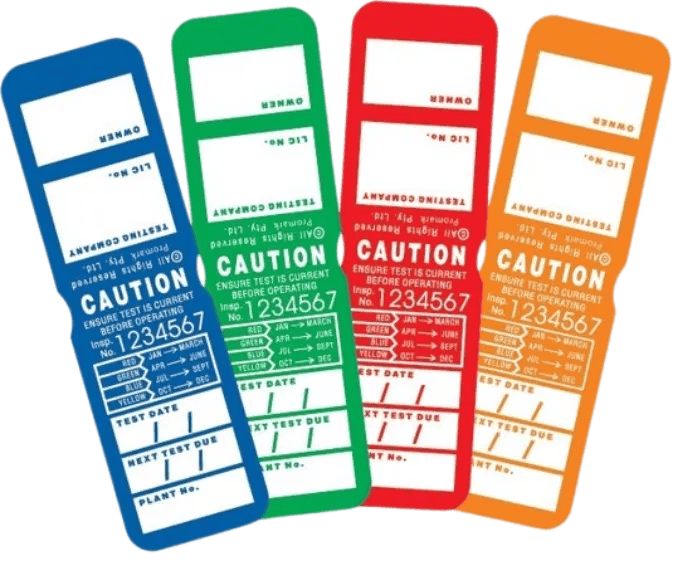
For general Brisbane offices, while colors are not strictly mandated by the season, maintaining a consistent internal color-coding system: such as our Electrical Test and Tag Services in Ipswich: is recommended to assist in quick visual auditing.
4. Neglecting Routine RCD (Safety Switch) Testing
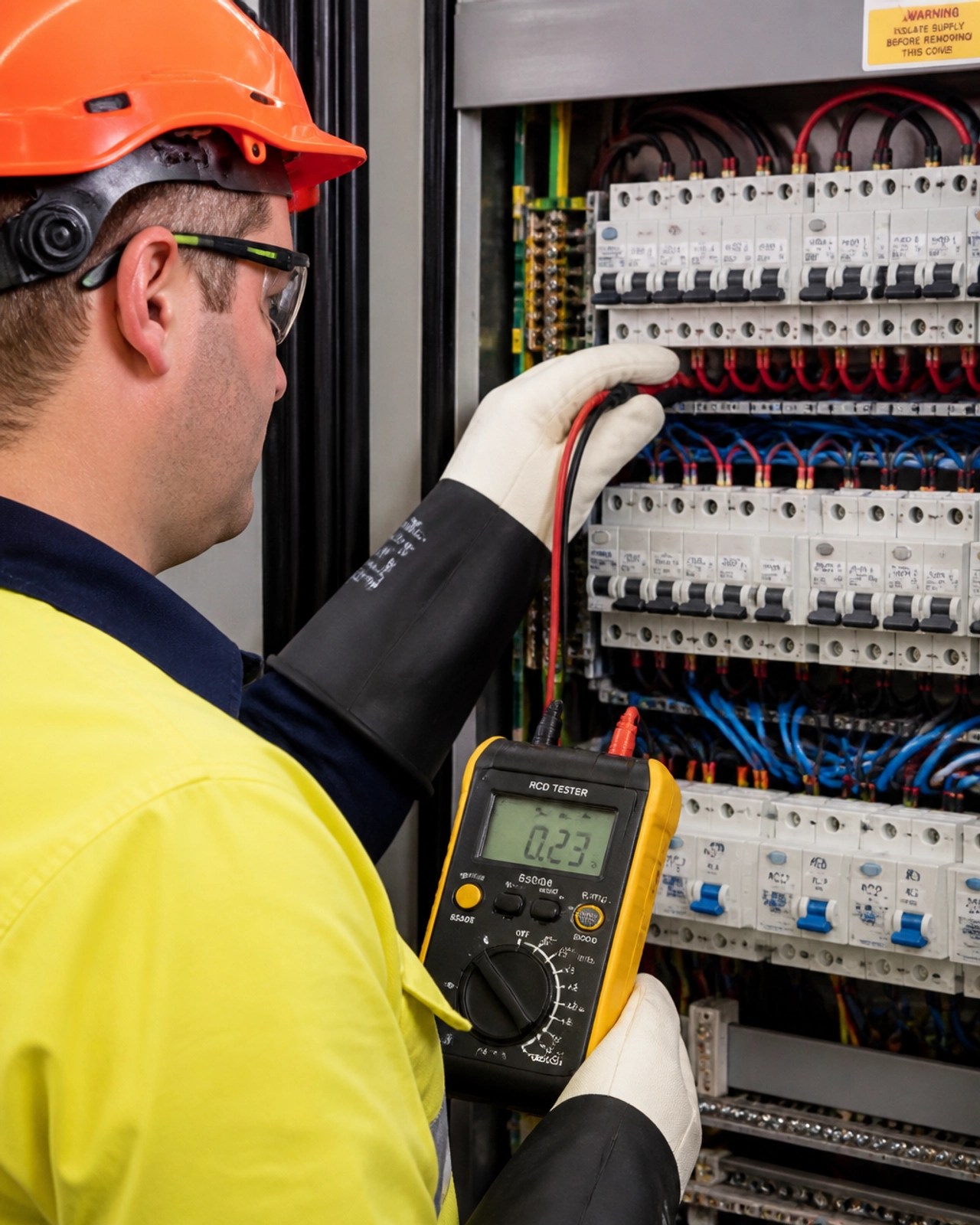
Residual Current Devices (RCDs) are the primary defense against electric shock. However, many business owners believe that because an RCD is installed, the workplace is safe. Without regular "trip time" and "push button" testing, there is no guarantee these devices will function during a fault.
The Mistake: Assuming RCDs are "set and forget" components or only performing a manual push-button test without technical measurement.
The Fix: Professional RCD testing must be conducted to measure the exact trip time in milliseconds. AS/NZS 3760:2022 requires both functional and operating time tests at specific intervals.
5. Maintaining Inadequate Documentation and Records
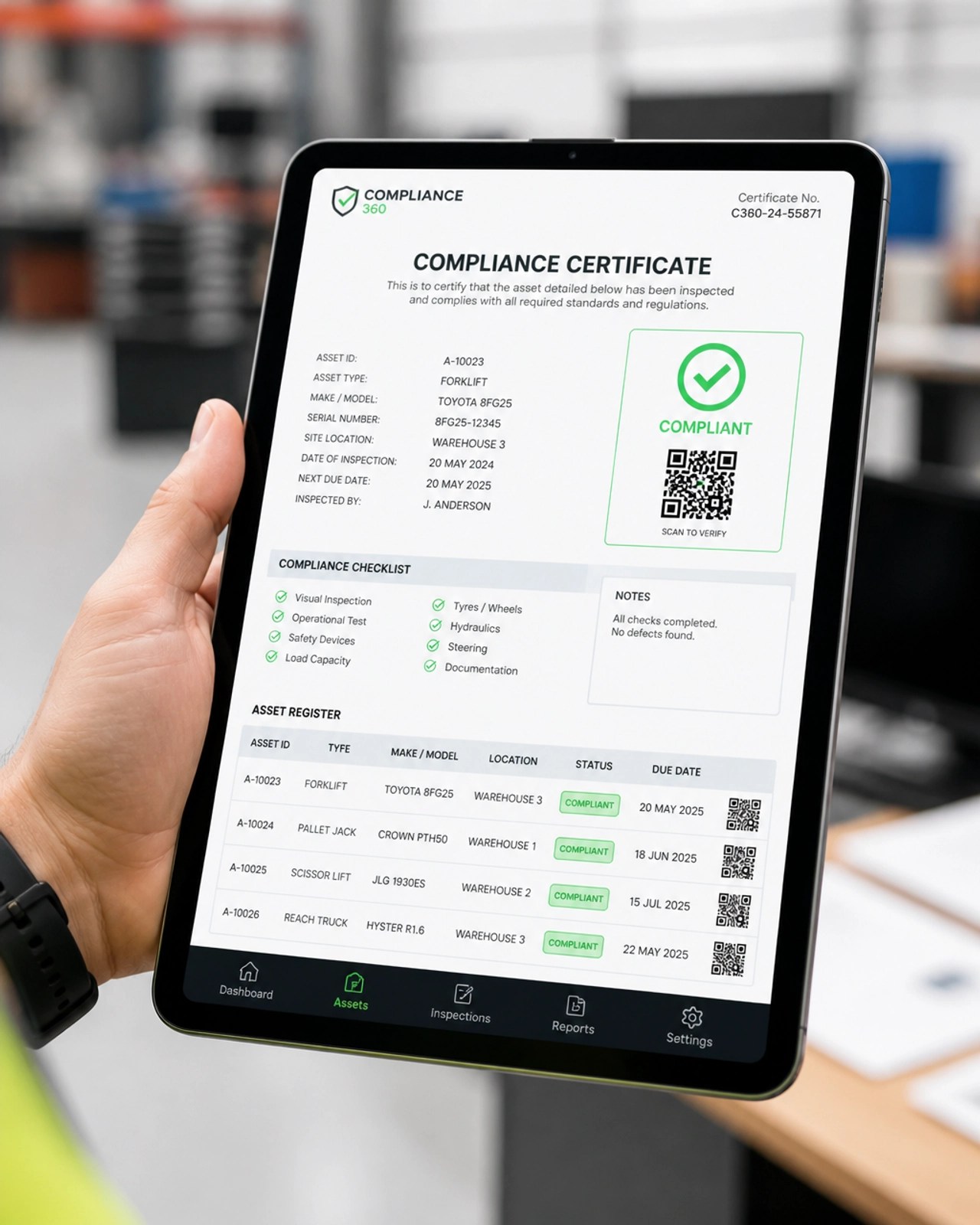
Under Queensland law, if a safety action is not documented, it effectively did not occur. Digital compliance certificates and asset registers are the only valid proof of adherence during a regulatory audit or insurance claim.
The Mistake: Relying solely on physical tags on equipment without maintaining a corresponding digital asset register or history of test results.
The Fix: Implement a systematic digital reporting process. At ABC Test Tag & Fire, we provide all clients with comprehensive, QR-coded digital compliance certificates. This ensures that you have a searchable, immutable record of every test performed, including the specific electrical readings and the identity of the technician.
6. Failure to Immediately Decommission Failed Equipment
The primary goal of testing is to identify hazards. Once a hazard is identified, the Electrical Safety Act requires immediate mitigation.
The Mistake: Leaving a failed item on the factory floor with a "failed" tag but still connected to a power source, or promising to "fix it later."
The Fix: Any item that fails the visual or electrical test must be immediately withdrawn from service. It should be physically removed from the area or have its plug removed to prevent accidental use. A durable "Danger: Do Not Use" tag must be applied until the item is professionally repaired or disposed of in accordance with environmental regulations.
7. The Operational Mistake: Managing Safety in Silos
Compliance is often viewed as a fragmented task: handling electrical testing one month and fire safety the next. This lack of integration leads to higher administrative costs and gaps in the safety net.
The Mistake: Hiring separate contractors for electrical test and tag, fire extinguisher servicing, and exit light testing.
The Fix: Consolidate your compliance requirements. By bundling services, Brisbane businesses can typically realize 20-40% savings in service fees. Bundling also ensures that all your compliance deadlines are aligned, reducing site disruption.
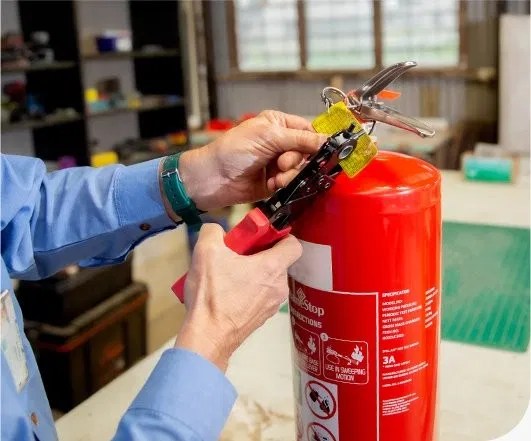
As a locally owned provider, ABC Test Tag & Fire specializes in this integrated approach across Brisbane, Ipswich, and Logan. Furthermore, our partnership with Qantas allows our clients to earn Qantas Points on every compliant service, adding a tangible business benefit to a mandatory safety obligation.
Conclusion: Ensuring Continuous Compliance
Workplace safety is not a static destination but a continuous systematic process. By avoiding these seven common pitfalls, you protect your employees and insulate your business from significant legal and financial risks.
Is your workplace currently compliant with the 2026 standards? ABC Test Tag & Fire offers comprehensive audits and testing services tailored to the specific needs of Brisbane’s industrial and commercial sectors. Contact us today to secure your digital asset register and ensure your facility meets all QLD regulatory requirements.