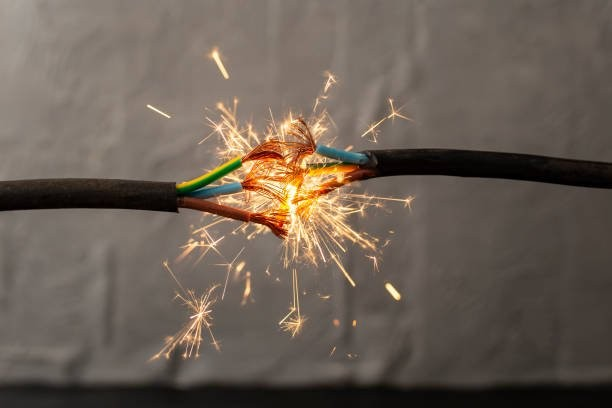
Archerfield is a significant industrial and commercial area in Brisbane’s south, with businesses operating around Archerfield Airport and the industrial connections of Boundary Road and Beaudesert Road. Warehouses, workshops, aviation and transport operators, logistics companies, trade suppliers, offices and commercial premises all depend on electrical equipment, fire protection systems and reliable emergency egress.
These environments can involve mobile equipment, vehicle movements, portable power tools, outdoor work areas, workshop machinery and fuel-related hazards. Consequently, safety compliance must be managed as a systematic, risk-based process: not as a once-a-year administrative exercise.
ABC Test Tag & Fire provides test and tag Archerfield, RCD testing, fire extinguisher servicing, fire blanket maintenance, emergency lighting inspections and safety equipment sales. By combining services, Archerfield businesses can save up to 40%.
The more services you book, the more you save.
Why Is Safety Compliance Important for Archerfield Businesses?
What happens when an extension lead is damaged by vehicle traffic? What happens when a portable appliance is exposed to rain, dust or workshop contamination? Can workers quickly locate an accessible fire extinguisher or identify the correct emergency exit if normal lighting fails?
These questions demonstrate why compliance programs must reflect the actual operating environment.
Archerfield workplaces may experience:
- Frequent movement of vehicles, forklifts and mobile plant
- Heavy use of extension leads, power boards and portable equipment
- Workshop activities involving cutting, grinding, welding or mechanical repairs
- Outdoor work areas exposed to moisture, heat and physical damage
- Fuel, oils, solvents, packaging and other combustible materials
- Shared equipment used by employees, contractors and visitors
- Storage areas where stock can obstruct fire equipment or exit routes
- Aviation, transport and logistics operations requiring continuity and careful risk control
The applicable testing frequency depends on the equipment, workplace conditions, previous failure history and risk assessment. Do not apply an inappropriate interval simply because it has been used in the past.
What Are the Queensland Legal Obligations?
Queensland businesses must manage workplace risks under the Work Health and Safety Act 2011, including risks arising from electrical equipment, fire hazards, plant, substances and emergency evacuation.
Section 19 of the Queensland WHS Act establishes the PCBU’s primary duty of care:
“A person conducting a business or undertaking must ensure, so far as is reasonably practicable, the health and safety of: (a) workers engaged, or caused to be engaged by the person; and (b) workers whose activities in carrying out work are influenced or directed by the person, while the workers are at work in the business or undertaking.”
Electrical safety is also governed by the Electrical Safety Act 2002 and Electrical Safety Regulation 2013. These laws require electrical equipment and electrical work to be electrically safe and impose duties on businesses, officers, workers and other relevant duty holders.
Australian Standards are technical frameworks. They are not legislation by themselves. However, they provide recognised procedures for inspection, testing and maintenance and can assist a business in demonstrating that reasonably practicable controls have been implemented.
The principal standards relevant to this service include:
| Safety area | Relevant technical framework | Typical compliance activity |
|---|---|---|
| Electrical equipment and RCDs | AS/NZS 3760:2022 | Visual inspection, electrical testing, RCD testing, tagging and records |
| Fire extinguishers and blankets | AS1851:2012 | Six-monthly routine servicing, accessibility checks and maintenance |
| Exit signs and emergency lighting | AS/NZS 2293 | Inspection, testing, maintenance and product replacement |
For further background, read the ABC guide to AS/NZS 3760:2022.
What Does Test and Tag Archerfield Involve?
AS/NZS 3760:2022 addresses the in-service safety inspection and testing of electrical equipment and RCDs. A professional test and tag Archerfield program should include more than applying a coloured label.
1. Asset identification
Equipment is identified by an asset number, plant number, serial number, location or another reliable reference. This is particularly important in warehouses, workshops and transport operations where equipment is frequently moved between work areas.
2. Visual inspection
The technician examines the appliance, plug, cord, socket, enclosure and accessories for defects, including:
- Frayed, cut, crushed or abraded cables
- Cracked plugs or damaged housings
- Exposed conductors
- Loose strain relief
- Missing earth pins
- Signs of overheating, arcing or burning
- Moisture, oil, dust or chemical contamination
- Unauthorised modifications
- Damage caused by vehicles, forklifts or manual handling
A visual inspection is essential because some defects may not be identified by electrical testing alone.
3. Electrical testing
Testing appropriate to the equipment may include earth continuity, insulation resistance, polarity, leakage current and functional checks. The technician uses suitable test equipment and applies the procedure relevant to the equipment class and condition.
Equipment that passes receives a durable tag showing relevant information such as the test date, next test due date and asset identification.
4. Failed-equipment isolation
What should happen when equipment fails?
It must be removed from service, clearly identified and controlled so that it cannot be used inadvertently. The business should arrange repair, replacement or further assessment as appropriate.
Do not return failed equipment to service merely because the fault appears minor. A damaged power board, lead or portable tool can expose workers to electric shock, burns or fire.
5. Digital reporting
ABC Test Tag & Fire supplies QR-coded tags and digital compliance certificates. These records can help managers:
- Confirm which assets have been tested
- Identify failed items and corrective actions
- Review due dates
- Prepare for audits and contractor reviews
- Maintain a central equipment register
- Demonstrate that inspection and maintenance have occurred
How Does RCD Testing Archerfield Protect Workers?
Residual Current Devices, commonly called safety switches, are designed to disconnect supply when they detect an imbalance in electrical current. This can help reduce the risk of electric shock, but only when the device is correctly installed, maintained and tested.
RCD testing Archerfield may involve:
- Push-button testing to confirm the test mechanism operates
- Instrument testing to measure trip performance
- Inspection of fixed and portable RCDs
- Review of test records and outstanding faults
- Identification of equipment requiring isolation or electrical repair
The operator push-button test is not the same as a detailed instrument test. A push-button test indicates whether the mechanism trips; it does not provide the same measurement of operating time and trip current as appropriate instrument testing.
Testing intervals must reflect the type of work and applicable Queensland requirements. Construction and higher-risk work environments generally require more frequent testing than controlled office areas. The relevant interval should be confirmed against the current legislation, standard and site risk assessment.
Use a competent person for in-service testing. Electrical repairs, fixed wiring work, switchboard work and other regulated electrical work must be performed by an appropriately licensed electrical worker.
What Does Fire Extinguisher Testing Archerfield Include?
Archerfield’s industrial and transport-related environments may contain electrical switchboards, fuel-related hazards, combustible packaging, machinery, vehicles, oils, solvents and other materials requiring carefully selected fire controls.
Under AS1851:2012, routine fire equipment servicing includes scheduled inspection and maintenance. ABC Test Tag & Fire provides fire extinguisher testing Archerfield, fire blanket servicing and fire equipment sales.
A routine service may assess:
- Correct extinguisher type for the identified hazard
- Location, signage and accessibility
- Corrosion, leakage or physical damage
- Pressure gauge condition
- Hose, nozzle, pin and safety seal
- Service history and maintenance tag
- Suitability for the surrounding environment
- Replacement requirements where equipment is damaged or unsuitable
Routine extinguisher servicing is generally conducted six-monthly in accordance with AS1851:2012. Additional requirements may apply depending on the equipment, building, hazard and maintenance regime.
Keep fire equipment accessible. Do not allow pallets, vehicles, stock or temporary materials to obstruct extinguishers, fire blankets or hydrants.
Read more about fire extinguisher testing in Brisbane.
Why Are Exit and Emergency Lights Necessary?
In a warehouse, workshop or aviation-related facility, a power failure can make evacuation routes difficult to identify. Racking, machinery, vehicles, partitions and changes in floor level can increase the consequences of inadequate illumination.
AS/NZS 2293 provides the technical framework for emergency escape lighting and exit signs. ABC Test Tag & Fire provides exit light testing and sales, with annual testing and maintenance support.
The inspection should consider whether:
- Exit signs are visible from relevant approaches
- Emergency luminaires operate when normal power is interrupted
- Batteries and fittings remain serviceable
- Egress paths are adequately illuminated
- Emergency lights are not obstructed by storage or plant
- Failed fittings are recorded and referred for rectification
- Digital records are retained

A failed emergency light is not merely a maintenance inconvenience. It can compromise evacuation and create a significant compliance gap.
Determining Testing Intervals for Archerfield Workplaces
The following table is general guidance only. The final schedule should be based on the current standards, Queensland requirements and a documented risk assessment.
| Workplace environment | Common risks | Compliance focus | Indicative approach |
|---|---|---|---|
| Workshops and factories | Tools, machinery, dust, impact and three-phase equipment | Test and tag, RCDs, fire equipment and emergency lighting | Frequently scheduled electrical testing, commonly six-monthly or as risk requires |
| Warehouses and logistics facilities | Forklifts, mobile equipment, loading areas and cord damage | Portable equipment, RCDs, accessible extinguishers and exit signs | Six- to twelve-monthly electrical program depending on conditions |
| Transport and aviation-related operations | Vehicle movement, outdoor work, mobile equipment and fuel-related hazards | Equipment condition, isolation procedures, fire protection and egress | Risk-based program with shorter intervals where exposure is high |
| Offices and commercial premises | Portable appliances, power boards and shared equipment | Test and tag, RCDs, fire equipment and emergency lighting | Generally longer intervals where the environment is controlled |
| Outdoor work areas | Moisture, heat, contamination and physical damage | Portable tools, leads, portable RCDs and fire equipment | More frequent inspection and testing |
| Construction or temporary worksites | Harsh conditions, relocation and high equipment movement | Portable equipment, RCDs, leads and temporary lighting | Frequent testing in accordance with applicable requirements |
Archerfield Compliance Checklist
Before arranging your next service, confirm that your business has:
- Identified portable and connectable electrical equipment
- Included three-phase equipment, extension leads and power boards
- Located and scheduled fixed and portable RCD testing
- Isolated failed equipment immediately
- Checked that fire extinguishers and blankets are accessible
- Reviewed extinguisher type and location against workplace hazards
- Tested exit signs and emergency lights
- Updated the equipment register
- Retained digital certificates and rectification records
- Documented the risk basis for testing intervals
- Scheduled future services before current due dates
How Can Bundled Services Save Archerfield Businesses Money?
Coordinating electrical, fire and emergency lighting services through separate providers can create duplicated travel, additional administration and fragmented records.
ABC Test Tag & Fire can coordinate:
- Electrical test and tag
- RCD testing
- Fire extinguisher and fire blanket servicing
- Fire equipment sales
- Exit and emergency light testing
- Emergency lighting sales
- QR-coded asset tagging
- Digital compliance certificates
Businesses can save up to 40% through bundled services, depending on equipment volumes, site requirements and the services selected. The more services you book, the more you save.
ABC Test Tag & Fire is locally owned and fully insured, servicing Brisbane, Ipswich, the Gold Coast and surrounding areas. Eligible customers may also earn QANTAS Business Rewards points, subject to applicable program terms and conditions.
Book Test and Tag Archerfield Today
Do not wait until an audit, incident or expired tag reveals a compliance gap.
Contact ABC Test Tag & Fire on 1300 66 94 65 to arrange a coordinated assessment for your Archerfield workplace. Provide your site location, workplace type, approximate equipment volume and required services so the compliance program can be scoped accurately.
Visit ABC Test Tag & Fire or review our service areas.
Maintain safe equipment. Keep fire protection accessible. Test emergency systems. Document the results. Address failures promptly.