AS/NZS 3760 Test and Tag Standards: Essential Electrical Equipment Testing Requirements for Business Compliance
The AS/NZS 3760 standard is a critical framework for ensuring electrical safety in workplaces across Australia and New Zealand. This standard outlines the requirements for the testing and tagging of electrical equipment, which is essential for maintaining compliance and ensuring the safety of employees and customers. In this article, we will explore the key aspects of AS/NZS 3760, including compliance requirements, testing procedures, and the importance of adhering to these standards. Businesses often face challenges in navigating these regulations, but understanding the requirements can significantly mitigate risks associated with electrical hazards. We will also discuss how companies can efficiently manage their compliance processes and the role of professional services in this context.
Compliance Requirements
Compliance with AS/NZS 3760 is not just a legal obligation; it is a fundamental aspect of workplace safety. The standard mandates that all electrical equipment must be tested and tagged to ensure it is safe for use. This includes a thorough understanding of the legal obligations that businesses must adhere to, which can vary based on the type of equipment and its usage. Failure to comply can result in severe penalties, including fines and increased liability in the event of an accident.
Beyond the scope of portable appliance testing, broader electrical safety regulations, such as AS/NZS 3000, also govern the compliance of fixed electrical installations.
AS/NZS 3000 Compliance for Electrical Installations
This regulation requires that all work on an electrical installation complies with the requirements of AS/NZS 3000.
Automatic disconnection under AS/NZS 3000 and the impact on supply utilities, 2000
Understanding the compliance requirements is crucial for businesses to avoid legal repercussions and ensure a safe working environment. Regular audits and inspections are recommended to maintain compliance and address any potential issues proactively.
Essential AS/NZS 3760 Test & Tag Requirements for Businesses
Testing procedures under AS/NZS 3760 involve a systematic approach to ensure that all electrical equipment is safe for use. The process typically includes:
- Visual Inspection: A thorough examination of the equipment for any visible signs of damage or wear.
- Electrical Testing: Utilizing specialized equipment to test the electrical integrity of the appliances.
- Documentation and Tagging: Properly documenting the results of the tests and tagging the equipment to indicate its compliance status.
These procedures are essential for identifying potential hazards before they lead to accidents. Businesses can benefit from engaging professional services that specialize in electrical safety compliance to ensure that these procedures are carried out effectively.
Local Compliance Considerations for Brisbane, Ipswich, and Gold Coast Businesses
In Brisbane and surrounding areas, local regulations may impose additional requirements for testing and tagging. Businesses must be aware of these local compliance considerations to ensure they meet all necessary standards. Engaging with local compliance experts can provide valuable insights into specific regional requirements and help streamline the testing process.
Testing Frequency

The frequency of testing and tagging electrical equipment is dictated by the AS/NZS 3760 standard, which outlines specific guidelines based on the type of equipment and its usage. Generally, the following testing intervals are recommended:
- Annual Testing: Most electrical equipment should be tested at least once a year.
- High-Risk Equipment: Equipment that poses a higher risk may require more frequent testing, potentially every six months.
Factors influencing testing intervals include the type of equipment, its usage frequency, and the environmental conditions in which it operates. Regular testing not only ensures compliance but also enhances workplace safety by identifying potential hazards early.
Documentation Standards
Maintaining proper documentation is a critical aspect of compliance with AS/NZS 3760. Businesses are required to keep detailed records of all testing and tagging activities, including:
- Compliance Certificates: Proof that equipment has been tested and meets safety standards.
- Audit-Ready Records: Documentation that can be easily accessed during audits or inspections.
- Maintenance Logs: Records of any maintenance or repairs performed on the equipment.
These documentation standards are essential for demonstrating compliance and ensuring that businesses can respond effectively to any inquiries from regulatory bodies.
Importance of Compliance
Compliance with AS/NZS 3760 is vital for several reasons. Firstly, it is a legal requirement that protects businesses from potential fines and legal action. Secondly, adhering to these standards significantly reduces the risk of electrical accidents, which can lead to serious injuries or fatalities. Lastly, maintaining compliance can enhance a company’s reputation, demonstrating a commitment to safety and responsibility.
Beyond electrical safety, a holistic approach to workplace safety also involves comprehensive risk assessments and mitigation strategies for machine-related hazards, as outlined in standards like AS/NZS 4024.
Workplace Safety & AS/NZS 4024 Compliance: Risk Mitigation
This study highlights the importance of comprehensive risk assessments to prevent accidents, protect workers, and ensure compliance with AS/NZS 4024.1–2019 standards and Work Health and Safety (WHS) regulations. It identifies and evaluates critical hazards, including nip, shear, and crush risks, and provides targeted mitigation strategies to address these specific risks. Key measures include rectifying guarding deficiencies through reinstating bypassed guards, extending guards to cover hazardous zones, and integrating interlocking mechanisms. The study also evaluates the adequacy of these solutions, demonstrating their effectiveness in mitigating risks. Additionally, the role of engineering controls in physically restricting access to hazardous areas and the contribution of administrative controls to fostering compliance and awareness are emphasized. These recommendations bridge critical gaps, reflecting the ingenuity of the proposed solutions, significantly reducing machine-related risks, and enhancing workplace safety and operational compliance.
Innovative risk management for machine safety: insights from AS/NZS 4024 standards, M Yazdi, 2019
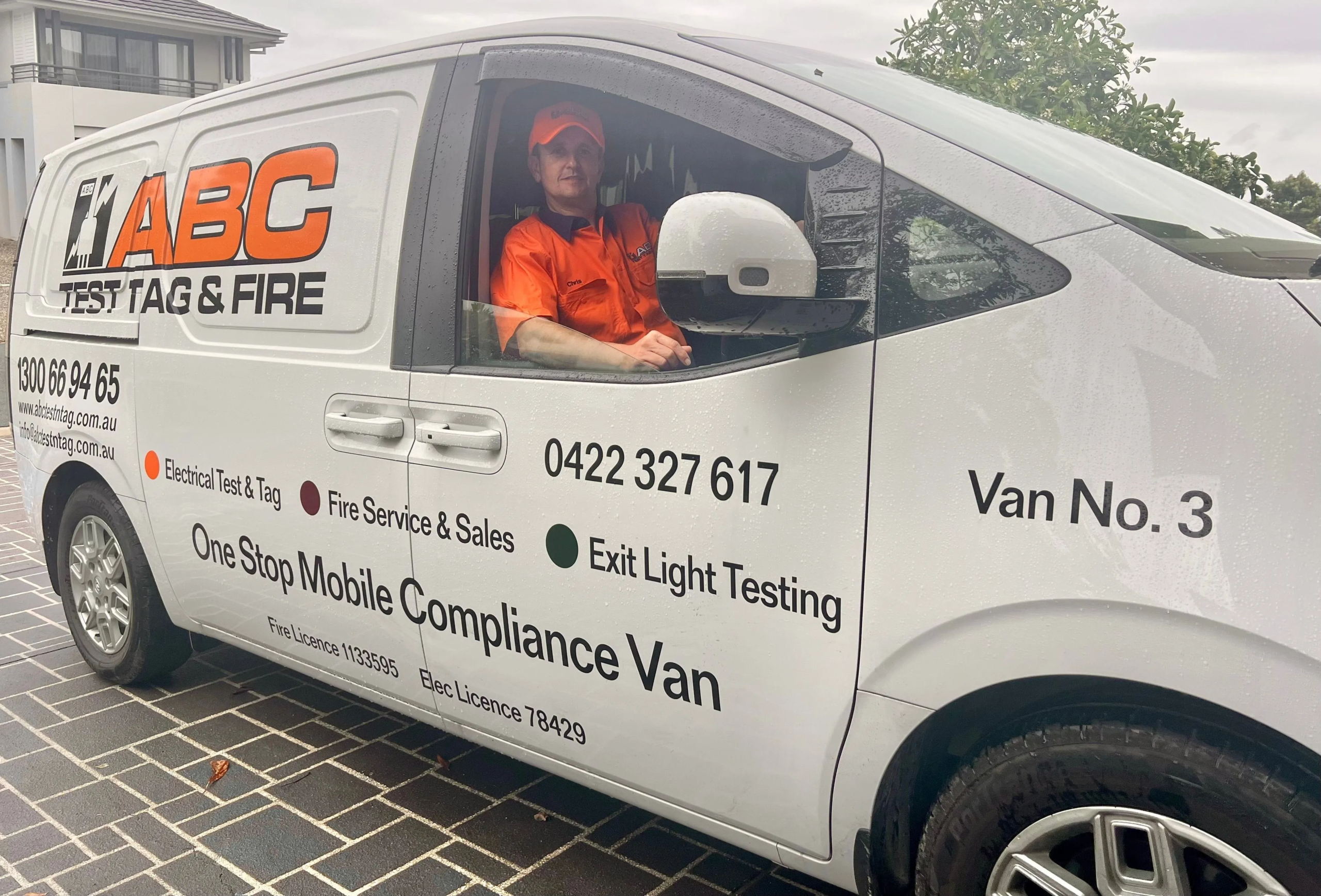
For businesses looking to ensure compliance, engaging with professional services like ABC Test Tag and Fire can provide peace of mind. They specialize in electrical and fire safety compliance, focusing on AS/NZS 3760 standards, ensuring that your business meets all necessary requirements.
What is the AS/NZS 3760 Standard and Why is it Critical for Workplace Electrical Safety?
The AS/NZS 3760 standard is a comprehensive guideline that outlines the requirements for the testing and tagging of electrical equipment. It is critical for workplace electrical safety as it helps prevent electrical hazards that can lead to accidents and injuries. By adhering to this standard, businesses can ensure that their electrical equipment is safe for use, thereby protecting employees and customers alike.
Key Provisions
Key provisions of AS/NZS 3760 include specific requirements for testing frequency, documentation, and the procedures that must be followed during testing. These provisions are designed to ensure that all electrical equipment is regularly assessed for safety and compliance.
Compliance Implications
Non-compliance with AS/NZS 3760 can have serious implications for businesses, including legal penalties and increased liability in the event of an accident. It is essential for businesses to understand their obligations under this standard to avoid potential repercussions.
How Often Must Electrical Equipment be Tested and Tagged to Meet Compliance?
Electrical equipment must be tested and tagged according to the guidelines set forth in AS/NZS 3760. The frequency of testing is determined by several factors, including the type of equipment and its usage. Regular testing is essential for maintaining compliance and ensuring workplace safety.
Testing Frequency Requirements According to AS/NZS 3760
According to AS/NZS 3760, most electrical equipment should be tested at least once a year, while high-risk equipment may require more frequent testing. Adhering to these requirements is crucial for ensuring the safety of all electrical appliances in the workplace.
Factors Influencing Testing Intervals for Portable Appliances
Several factors can influence the testing intervals for portable appliances, including:
- Type of Equipment: Different types of equipment may have varying testing requirements.
- Usage Frequency: Equipment that is used more frequently may require more regular testing.
- Environmental Conditions: Harsh environments can increase the likelihood of equipment failure, necessitating more frequent inspections.
What Are the Procedures for Portable Appliance Testing in Brisbane and Surrounding Areas?
In Brisbane and surrounding areas, portable appliance testing procedures must align with AS/NZS 3760 standards. This includes conducting thorough inspections and tests to ensure that all equipment is safe for use. Engaging with local compliance experts can help businesses navigate these requirements effectively.
How Do Fire Safety Compliance Services Integrate with Electrical Testing Standards?
Fire safety compliance services play a crucial role in ensuring that electrical testing standards are met. By integrating fire safety measures with electrical testing, businesses can enhance overall safety and compliance. This holistic approach helps identify potential hazards and mitigate risks effectively.
Benefits of Combined Electrical and Fire Safety Compliance Services
Combining electrical and fire safety compliance services offers several benefits, including:
- Comprehensive Safety Assurance: Ensures that all aspects of safety are addressed.
- Regulatory Compliance: Helps businesses meet all necessary legal requirements.
- Cost Efficiency: Streamlines compliance processes, reducing overall costs.
What Are the Consequences of Non-Compliance and How Can Businesses Avoid Penalties?
Non-compliance with AS/NZS 3760 can lead to severe consequences for businesses, including legal penalties and increased liability. To avoid these penalties, businesses must ensure that they adhere to all testing and tagging requirements.
Common Penalties for Failing Test and Tag Regulations
Common penalties for failing to comply with test and tag regulations include:
- Fines: Businesses may face significant fines for non-compliance.
- Legal Actions: Increased risk of legal action in the event of an accident.
- Increased Insurance Premiums: Non-compliance can lead to higher insurance costs.
How Professional Testing Services Provide Peace of Mind and Risk Reduction
Engaging professional testing services can provide businesses with peace of mind and reduce risks associated with electrical hazards. These services ensure that all testing and tagging requirements are met, helping businesses maintain compliance and enhance workplace safety.
How Can Businesses Efficiently Book and Manage Test and Tag Services?
Businesses can efficiently book and manage test and tag services by:
- Contacting Certified Providers: Engaging with reputable testing services ensures compliance.
- Appointment Scheduling: Setting up regular testing appointments helps maintain compliance.
- Tracking Compliance: Keeping detailed records of testing and tagging activities is essential for audits.
Streamlined Quote and Booking Processes for Electrical Safety Testing
Streamlined quote and booking processes for electrical safety testing can significantly enhance efficiency. Businesses should seek providers that offer clear communication and easy scheduling options to facilitate compliance.
Ensuring Ongoing Compliance Through Scheduled Testing and Documentation
Ongoing compliance can be ensured through scheduled testing and proper documentation. Regularly updating records and maintaining a schedule for testing helps businesses stay compliant with AS/NZS 3760 standards.
Different testing procedures deliver distinct benefits through specific compliance mechanisms.