Electrical Safety Compliance vs. DIY Testing: Essential Professional Insights for Workplace Safety
Electrical safety compliance is a critical aspect of maintaining a safe working environment, particularly in commercial settings. It involves adhering to established regulations and standards designed to prevent electrical hazards. This article will explore the differences between professional electrical safety compliance and DIY testing, highlighting the importance of expert services in ensuring workplace safety. Many businesses face challenges in navigating the complexities of electrical compliance, which can lead to serious consequences if not addressed properly. By understanding the legal obligations, the role of licensed technicians, and the benefits of professional services, businesses can make informed decisions about their electrical safety strategies. We will cover essential topics, including what constitutes electrical safety compliance, the advantages of professional test and tag services, and how businesses in Logan and Brisbane can ensure ongoing compliance.
What Constitutes Electrical Safety Compliance in Commercial Settings?
Electrical safety compliance refers to the adherence to specific regulations and standards that govern the safe use of electrical equipment in commercial environments. In Australia, the AS/NZS 3760 standard outlines the requirements for the testing and tagging of electrical equipment to ensure safety and reliability. Regular testing is crucial, as it helps identify potential hazards before they lead to accidents or injuries. Non-compliance can result in severe penalties, including fines and legal liabilities, making it essential for businesses to prioritize electrical safety.
This table illustrates the critical nature of compliance standards and the potential repercussions of neglecting them. Understanding these requirements is the first step in ensuring a safe workplace.
Why Choose Professional Test and Tag Services Over DIY Testing?

When it comes to electrical safety, opting for professional test and tag services offers several advantages over DIY testing methods. First and foremost, professional services provide expertise that is often lacking in DIY approaches. Licensed technicians are trained to identify potential hazards and ensure compliance with relevant regulations. Additionally, using professional services can lead to cost savings by preventing accidents that could result in costly damages or legal issues.
- Expertise of Licensed Technicians: Professionals have the training and experience to conduct thorough inspections and testing.
- Legal Compliance Benefits: Engaging certified services ensures adherence to local regulations, reducing the risk of penalties.
- Cost Savings from Preventing Accidents: Investing in professional services can save money in the long run by avoiding accidents and associated costs.
By choosing professional test and tag services, businesses can ensure a higher level of safety and compliance, ultimately protecting their employees and assets.
What Are the Legal Obligations for Workplace Electrical Compliance?

Understanding the legal obligations surrounding electrical compliance is essential for any business. The Electrical Safety Act 2002 mandates that employers maintain a safe working environment, which includes regular testing and tagging of electrical equipment. Documentation of compliance is also crucial, as it serves as proof of adherence to safety standards. Failure to comply with these legal requirements can lead to significant consequences, including fines and legal action.
- Overview of the Electrical Safety Act 2002: This act outlines the responsibilities of employers regarding electrical safety.
- Importance of Documentation: Keeping accurate records of testing and compliance is vital for legal protection.
- Consequences of Non-Compliance: Businesses may face legal liabilities and increased insurance costs if they fail to meet safety standards.
By staying informed about these legal obligations, businesses can better navigate the complexities of electrical safety compliance.
How Do Licensed Technicians Ensure Reliable Compliance?
Licensed technicians play a crucial role in ensuring electrical safety compliance. Their qualifications and training equip them with the knowledge necessary to conduct thorough inspections and testing. Technicians follow established procedures to assess the safety of electrical equipment, identifying any potential hazards that may pose risks to employees. Their expertise ensures that businesses meet compliance standards and maintain a safe working environment.
- Qualifications of Licensed Technicians: Technicians must complete specific training and certification programs to ensure competency.
- Testing Procedures Followed: Standardized testing methods are employed to assess the safety of electrical equipment.
- Importance of Thorough Inspections: Regular inspections help identify issues before they escalate into serious problems.
The involvement of licensed technicians is essential for maintaining reliable compliance and ensuring workplace safety.
How Do Professional Electrical Safety Testing Services Operate?
Professional electrical safety testing services operate through a systematic approach to ensure compliance and safety. These services typically begin with a visual inspection of electrical equipment, followed by comprehensive testing to assess functionality and safety. Documentation is provided upon completion, detailing the results of the testing and any necessary actions taken.
- Visual Inspections Conducted: Technicians assess the physical condition of electrical equipment for any visible hazards.
- Electrical Testing Methods: Various testing methods are employed to evaluate the safety and functionality of equipment.
- Documentation Provided: A compliance certificate is issued, serving as proof of testing and adherence to safety standards.
This structured approach ensures that businesses receive thorough evaluations and can maintain compliance with safety regulations.
What Is Included in a Comprehensive Test and Tag Service?
A comprehensive test and tag service encompasses several key components designed to ensure electrical safety compliance. These services typically include an initial consultation, thorough testing of electrical equipment, and detailed reporting of findings. The goal is to provide businesses with a complete understanding of their electrical safety status and any necessary actions to maintain compliance.
- Initial Consultation Process: Technicians assess the specific needs of the business and develop a tailored testing plan.
- Types of Testing Performed: Various tests are conducted, including insulation resistance testing and earth continuity testing.
- Reporting and Tagging: Results are documented, and equipment is tagged to indicate compliance status.
By utilizing comprehensive test and tag services, businesses can ensure they meet all necessary safety standards.
How Are Compliance Certificates Issued and Validated?
Compliance certificates are essential documents that verify a business’s adherence to electrical safety standards. These certificates are issued following thorough testing and inspections conducted by licensed technicians. Validation of these certificates is crucial, as it ensures that the testing was performed according to established regulations and standards.
- Requirements for Issuing Certificates: Technicians must complete specific testing procedures to issue a valid compliance certificate.
- Importance of Validation: Validated certificates provide assurance that the testing was conducted by qualified professionals.
- Documentation Needed: Accurate records of testing and compliance are necessary for certificate issuance.
Understanding the process of issuing and validating compliance certificates is vital for businesses seeking to maintain electrical safety.
What Role Does Fire Safety Compliance Play in Electrical Safety?
Fire safety compliance is closely linked to electrical safety, as electrical faults can lead to fire hazards. Ensuring that electrical systems are compliant with fire safety regulations is essential for preventing potential disasters. Businesses must integrate fire safety measures into their overall electrical safety strategies to protect employees and assets.
- Fire Hazards Related to Electrical Systems: Faulty wiring and equipment can pose significant fire risks.
- Legal Implications of Fire Safety Compliance: Adhering to fire safety regulations is a legal requirement that protects businesses from liabilities.
- Best Practices for Integration: Implementing fire safety measures alongside electrical safety protocols enhances overall workplace safety.
By recognizing the connection between fire safety and electrical compliance, businesses can create a safer working environment.
How Are Electrical and Fire Safety Compliance Integrated?
Integrating electrical and fire safety compliance is essential for comprehensive workplace safety. This integration involves aligning electrical safety protocols with fire safety regulations to create a cohesive safety strategy. Businesses must ensure that their electrical systems are not only compliant with electrical standards but also with fire safety requirements.
- Importance of Combined Safety Measures: A holistic approach to safety reduces the risk of accidents and enhances overall protection.
- Regulatory Requirements: Compliance with both electrical and fire safety regulations is mandated by law.
- Impact on Workplace Safety: Effective integration of safety measures leads to a safer working environment for all employees.
By prioritizing the integration of electrical and fire safety compliance, businesses can significantly enhance their safety protocols.
What Are the Benefits of Combined Safety Compliance Services?
Utilizing combined safety compliance services offers numerous advantages for businesses. These services streamline the process of ensuring compliance with both electrical and fire safety regulations, reducing the burden on internal resources. Additionally, businesses can benefit from cost efficiencies and comprehensive safety coverage.
- Cost Efficiency of Bundled Services: Combining services often results in lower overall costs compared to engaging separate providers.
- Comprehensive Safety Coverage: A unified approach ensures that all aspects of safety are addressed.
- Minimized Risk of Accidents: Comprehensive compliance reduces the likelihood of accidents and associated costs.
By leveraging combined safety compliance services, businesses can enhance their safety measures while optimizing resources.
How Can Businesses in Logan and Brisbane Ensure Ongoing Electrical Compliance?
To maintain ongoing electrical compliance, businesses in Logan and Brisbane should implement regular testing schedules and engage certified professionals. Establishing a proactive approach to electrical safety ensures that potential hazards are identified and addressed promptly. Additionally, employee training plays a crucial role in fostering a culture of safety within the workplace.
- Regular Testing Schedules: Consistent testing helps identify issues before they escalate into serious problems.
- Engaging Certified Professionals: Utilizing licensed technicians ensures compliance with safety regulations.
- Employee Training Importance: Educating employees about electrical safety practices enhances overall workplace safety.
By prioritizing these strategies, businesses can effectively manage their electrical compliance needs.
What Are the Recommended Testing Frequencies for Commercial Equipment?
The recommended testing frequencies for commercial equipment vary based on the type of equipment and its usage. High-risk equipment may require more frequent testing, while lower-risk items can be tested less often. Establishing a clear testing schedule is essential for maintaining compliance and ensuring safety.
- General Equipment Testing Frequency: Most equipment should be tested at least annually to ensure safety.
- High-Risk Equipment Requirements: Equipment used in high-risk environments may require testing every three months.
- Construction Equipment Testing: Equipment used on construction sites should be tested regularly to meet safety standards.
By adhering to these recommended testing frequencies, businesses can maintain a safe working environment.
How Does ABC Test Tag and Fire Support Local Compliance Needs?
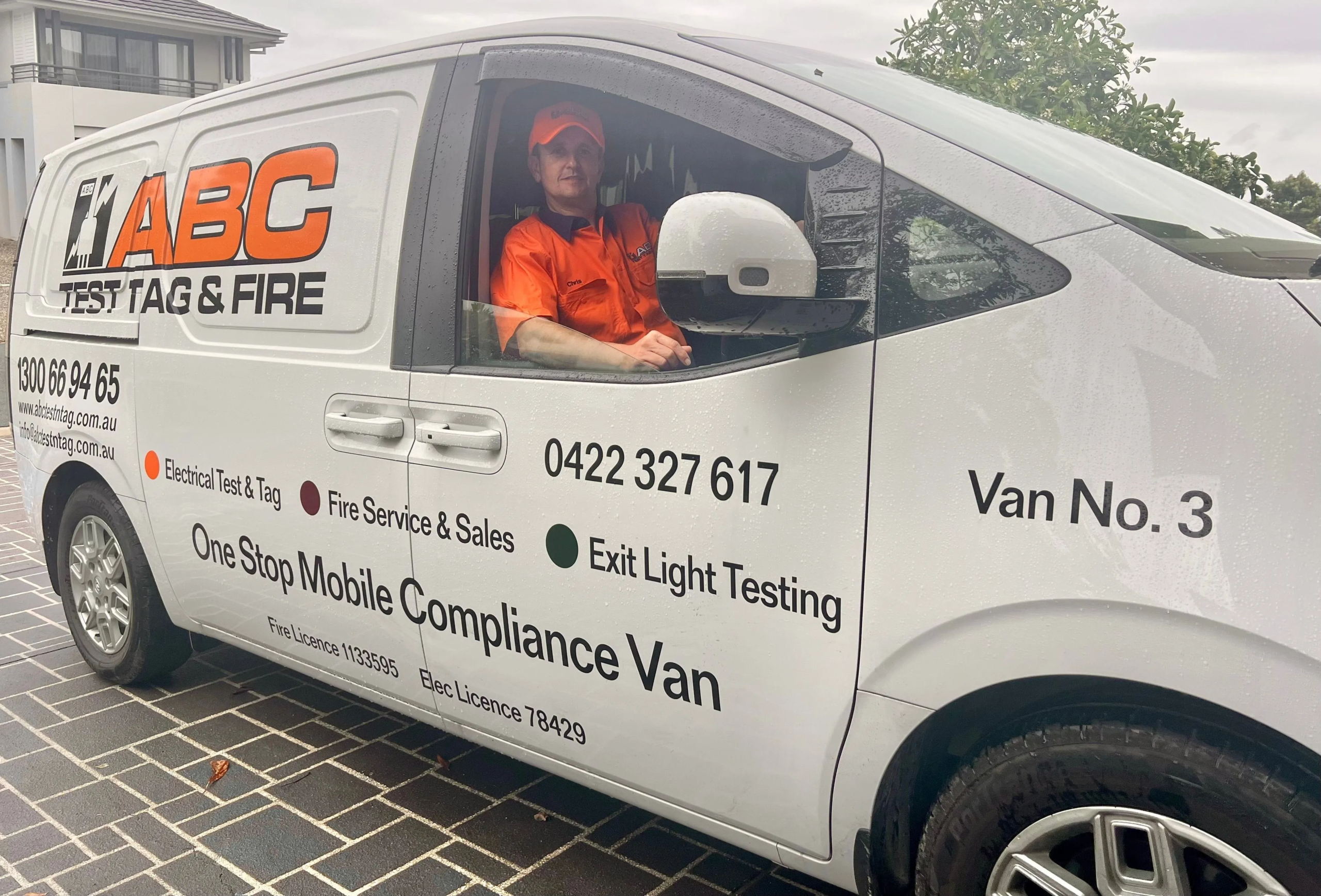
ABC Test Tag and Fire is a specialist provider of electrical safety compliance and fire safety services focused on commercial and industrial clients in Brisbane, Ipswich, Logan, and the Gold Coast regions. The company offers a range of services designed to help businesses meet their compliance needs effectively. With a local focus, ABC Test Tag and Fire understands the specific requirements of businesses in the area and provides tailored solutions to ensure ongoing compliance.
- Overview of Services Offered: ABC Test Tag and Fire provides comprehensive testing and tagging services for electrical equipment.
- Local Focus on Compliance: The company is dedicated to supporting local businesses in maintaining safety standards.
- Booking Process for Services: Engaging with ABC Test Tag and Fire is straightforward, ensuring businesses can easily access the services they need.
By partnering with ABC Test Tag and Fire, businesses can ensure they meet their electrical safety compliance needs effectively.