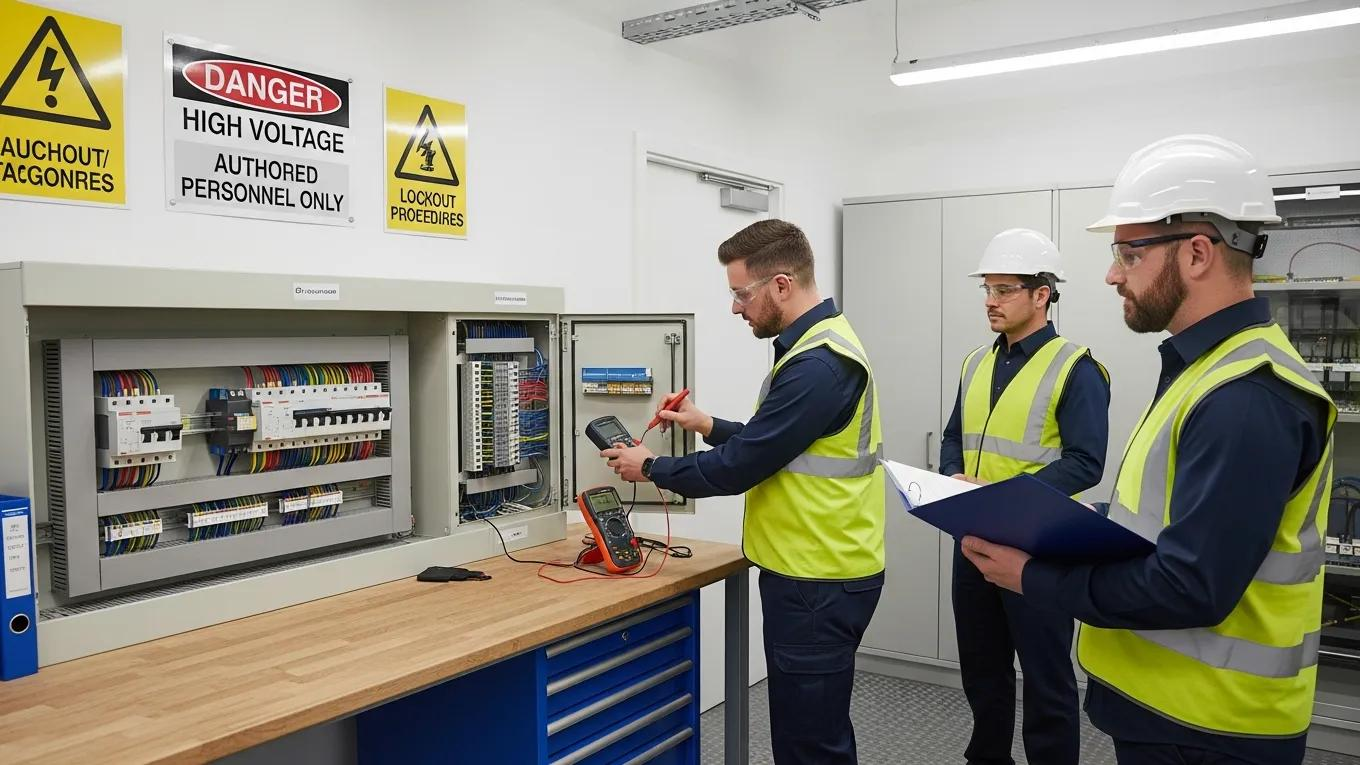
Essential Electrical Safety Regulations and Testing in Brisbane
By Chris Shelford, ABC Test Tag & Fire
Electrical safety regulations are crucial for ensuring the safety and well-being of employees in Brisbane workplaces. These regulations are designed to prevent electrical hazards that can lead to accidents, injuries, or even fatalities. In this article, we will explore the key electrical safety regulations that businesses must adhere to, including compliance standards, testing requirements, and essential safety practices. By understanding these regulations, businesses can mitigate risks and create a safer working environment. We will also discuss the benefits of compliance and how to access professional services for electrical safety compliance in Brisbane.
Workplace Compliance Standards
Workplace compliance standards are essential for maintaining electrical safety in Brisbane. The Electrical Safety Act 2002 outlines the legal obligations for employers to ensure a safe working environment. This act mandates that all electrical work must be performed by qualified personnel and that workplaces must adhere to the Australian Standards, particularly “AS/NZS 3760”. Compliance with these standards not only protects employees but also helps businesses avoid legal repercussions and financial penalties.
Testing Requirements

Testing requirements are a critical aspect of electrical safety compliance. Regular testing of electrical equipment is necessary to ensure that it is safe for use. The frequency of testing varies depending on the type of equipment and its usage. For instance, portable appliances should be tested every 12 months, while fixed wiring may require testing every five years. Regular inspections and maintenance are vital to identify potential hazards before they lead to accidents.
Mandatory Testing Frequencies and Procedures Under AS/NZS 3760
The AS/NZS 3760 standard specifies mandatory testing frequencies and procedures for various types of electrical equipment, tailored to different workplace environments. This includes:
- Construction Sites: Portable equipment must be tested every 3 months due to the high-risk environment.
- Factories and Industrial Settings: Testing is required every 6 months to ensure ongoing safety.
- Offices and General Workplaces: Portable equipment should be tested every 12 months.
- Fixed Electrical Equipment: Requires testing every 5 years regardless of the workplace type.
- RCDs (Residual Current Devices): Should be tested every 6 months to ensure proper operation.
These procedures ensure that all electrical equipment remains safe and compliant with regulations, reducing the risk of electrical hazards in diverse workplace settings.
Essential Safety Practices for Businesses
To maintain electrical safety, businesses should implement essential safety practices. These practices include:
- Regular Testing and Tagging: Ensuring all electrical equipment is tested and tagged according to AS/NZS 3760. Learn more about our testing and tagging services.
- Documentation Maintenance: Keeping accurate records of all testing and maintenance activities to demonstrate compliance during inspections.
- Engaging Certified Professionals: Hiring qualified electricians for all electrical work to ensure compliance with safety standards and legal requirements.
By following these practices, businesses can significantly reduce the risk of electrical hazards and maintain a safe workplace.
Benefits of Compliance
Adhering to electrical safety regulations offers several benefits for businesses, including:
- Risk Mitigation: Reducing the likelihood of electrical accidents and injuries.
- Legal Protection: Ensuring compliance with laws such as the Queensland Electrical Safety Act 2002 protects businesses from legal liabilities and penalties.
- Cost-Effectiveness: Preventing accidents can save businesses money in the long run by avoiding fines, compensation claims, and operational downtime.
Booking Compliance Services
Booking compliance services is a straightforward process that can help businesses ensure they meet all electrical safety regulations. It is essential to choose certified providers who are experienced in electrical safety compliance. The process typically involves an initial consultation, followed by a comprehensive assessment of the workplace’s electrical systems.
How Can Businesses Access Professional Electrical Compliance Services in Brisbane?
Businesses can access professional electrical compliance services in Brisbane through various channels. It is advisable to research and select providers with a strong reputation for quality and reliability. ABC Test Tag and Fire is a Brisbane-based service provider specializing in electrical safety compliance and fire safety services tailored for businesses in Brisbane, Ipswich, Gold Coast, and Logan.
Booking and Quote Processes with ABC Test Tag and Fire
When booking services with ABC Test Tag and Fire, businesses can expect a seamless process. The initial consultation allows for a thorough understanding of the specific compliance needs. Following this, the testing and tagging process is conducted, and businesses receive detailed reports outlining the compliance status of their electrical equipment.
What Are the Key Electrical Safety Regulations Governing Brisbane Workplaces?
The key electrical safety regulations governing Brisbane workplaces include the Electrical Safety Act 2002 and the AS/NZS 3760 standard. These regulations set forth the requirements for safe electrical practices, including the need for regular testing and compliance documentation. Understanding these regulations is vital for any business operating in Brisbane.
Overview of Queensland Workplace Electrical Safety Laws and Standards
Queensland’s workplace electrical safety laws and standards are designed to protect employees from electrical hazards. The Electrical Safety Act 2002 mandates that all electrical work must be performed by qualified individuals and that workplaces must adhere to the AS/NZS 3760 standard. The Electrical Safety Office Queensland enforces these compliance requirements and provides guidance to businesses. Non-compliance can result in significant penalties and increased risk of workplace accidents.
Role and Requirements of AS/NZS 3760 in Electrical Compliance
The AS/NZS 3760 standard plays a crucial role in ensuring electrical compliance. It outlines the testing and tagging requirements for electrical equipment, ensuring that all devices are safe for use. Compliance with this standard is not only a legal requirement but also a best practice for maintaining workplace safety.
How Does AS/NZS 3760 Define Testing and Tagging Requirements for Electrical Equipment?
AS/NZS 3760 defines specific testing and tagging requirements for electrical equipment, including the procedures for conducting tests and the frequency of testing. This standard ensures that all electrical devices are regularly assessed for safety, helping to prevent electrical hazards in the workplace. Specific intervals include:
- Construction sites: every 3 months
- Factories: every 6 months
- Offices: every 12 months
- Fixed equipment: every 5 years
Certification and Documentation Obligations for Compliance

Businesses have specific certification and documentation obligations to meet electrical safety compliance. This includes maintaining records of all testing and tagging activities, as well as ensuring that all electrical work is performed by certified professionals. Proper documentation is essential for demonstrating compliance during inspections by the Electrical Safety Office Queensland.
What Are the Essential Steps for Ensuring Workplace Electrical Compliance in Queensland?
To ensure workplace electrical compliance in Queensland, businesses should follow these essential steps:
- Understand Regulatory Requirements: Familiarize yourself with the Electrical Safety Act 2002 and AS/NZS 3760.
- Conduct Regular Testing: Implement a schedule for regular testing and tagging of electrical equipment according to workplace type.
- Maintain Documentation: Keep accurate records of all compliance activities and testing results.
Conducting Electrical Equipment Testing and Tagging Services
Conducting electrical equipment testing and tagging services is vital for ensuring compliance with safety regulations. This process involves assessing the safety of electrical devices and tagging them to indicate their compliance status. Engaging certified professionals for this service is crucial to ensure accurate testing and adherence to regulations. ABC Test Tag & Fire offers expert testing and tagging services to meet these requirements.
Integrating Fire Safety Compliance with Electrical Safety Measures
Integrating fire safety compliance with electrical safety measures is essential for comprehensive workplace safety. Electrical faults can lead to fires, making it crucial for businesses to implement both electrical and fire safety measures. Regular inspections and maintenance of electrical systems can help prevent potential fire hazards. ABC Test Tag & Fire also provides fire safety compliance services to complement electrical safety efforts.
What Are the Penalties and Risks Associated with Non-Compliance to Electrical Safety Regulations?
Non-compliance with electrical safety regulations can lead to severe penalties and risks for businesses. These may include:
- Legal Penalties: Fines imposed by regulatory authorities for failing to meet compliance standards, often exceeding $10,000 for employers in Queensland.
- Increased Risk of Accidents: Non-compliance can lead to electrical accidents, resulting in injuries or fatalities.
- Damage to Reputation: Businesses may suffer reputational damage due to non-compliance incidents.
Regulatory Penalties Imposed by Queensland Workplace Health and Safety Authorities
Queensland Workplace Health and Safety authorities impose strict penalties for non-compliance with electrical safety regulations. These penalties can vary based on the severity of the violation and may include fines, legal action, and increased scrutiny during inspections by the Electrical Safety Office Queensland.
Impact of Non-Compliance on Workplace Safety and Liability
The impact of non-compliance on workplace safety and liability is significant. Businesses that fail to adhere to electrical safety regulations face increased risks of accidents, which can lead to injuries and legal liabilities. Ensuring compliance is essential for protecting both employees and the business itself.
Where Can Businesses Find Updated Resources and Compliance Checklists for Electrical Safety?
Businesses can find updated resources and compliance checklists for electrical safety through various channels, including:
- Official Government Websites: Accessing resources from Queensland government safety publications such as the Electrical Safety Office Queensland.
- Industry Publications: Utilizing industry-specific publications for the latest compliance information.
- Compliance Checklists: Implementing interactive tools and checklists for ongoing safety management, often provided by trusted service providers like ABC Test Tag & Fire.
Accessing Official Queensland Government Safety Publications and Standards
Accessing official Queensland government safety publications and standards is crucial for staying informed about electrical safety regulations. Businesses can find valuable resources on government websites, which provide guidelines and updates on compliance requirements.
Utilizing Compliance Checklists and Interactive Tools for Ongoing Safety Management
Utilizing compliance checklists and interactive tools can significantly enhance ongoing safety management in workplaces. These tools help businesses track compliance activities, ensuring that all electrical equipment is regularly tested and maintained according to regulations. By implementing these resources, businesses can foster a culture of safety and compliance.
Frequently Asked Questions
Author Bio
Written by the Certified Electrical Safety Team at ABC Test Tag & Fire — Queensland-licensed electrical contractors with 15+ years of experience in workplace compliance testing across Brisbane, Ipswich, Gold Coast, and Logan.
About ABC Test Tag & Fire
ABC Test Tag & Fire is a trusted Brisbane-based electrical safety and fire compliance service provider. With over 15 years of experience, we specialize in workplace electrical testing, tagging, and fire safety services tailored to businesses across Brisbane, Ipswich, Gold Coast, and Logan. Our certified electricians ensure your business meets all Queensland electrical safety regulations, including the Electrical Safety Act 2002 and AS/NZS 3760 standards.
Contact us today for expert advice and professional compliance services:
- Phone: +61-7-1234-5678
- Email: info@abctestntag.com.au
- Website: www.abctestntag.com.au