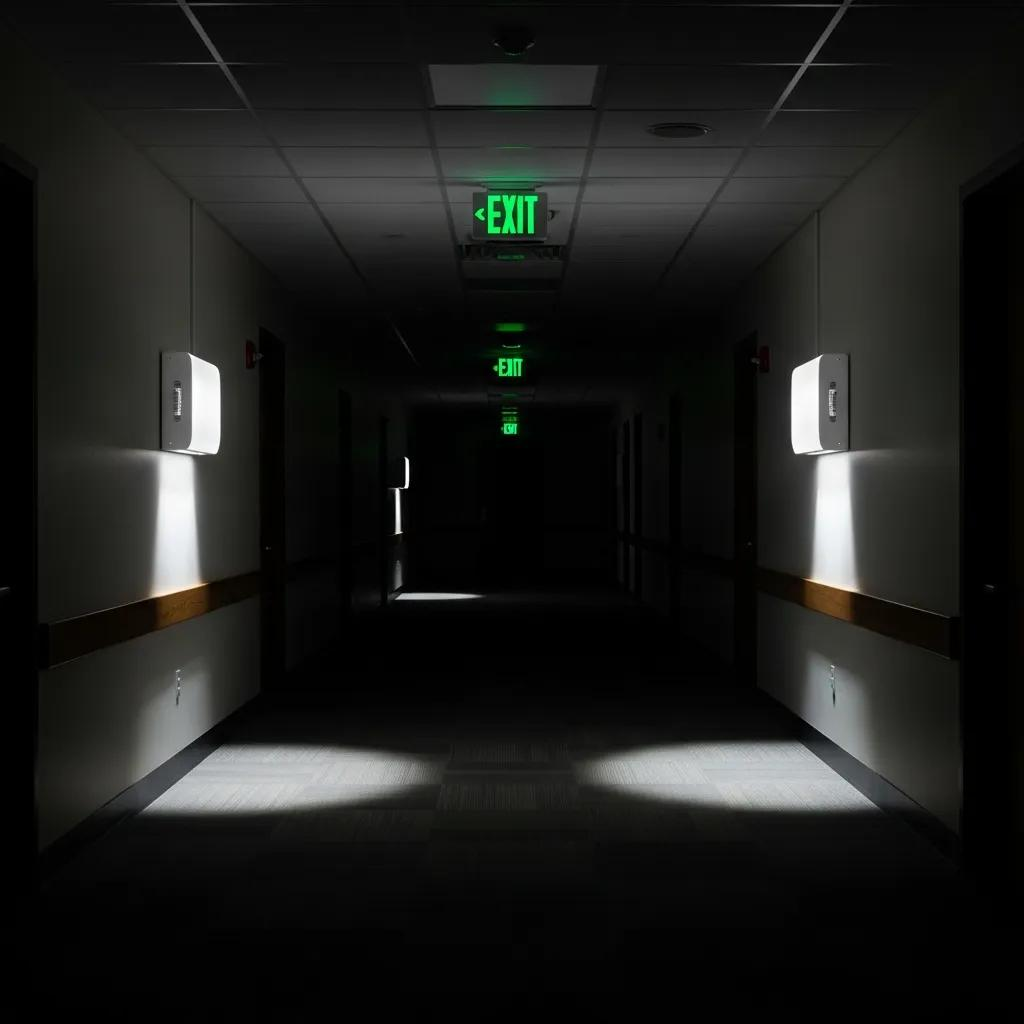
Emergency Lighting Compliance Assessments: Ensuring AS 2293 Emergency Lighting Standards and Workplace Safety
Emergency lighting compliance assessments are critical for ensuring safety in commercial and industrial environments. These assessments evaluate the effectiveness of emergency lighting systems, ensuring they meet the Australian Standard AS 2293.2 emergency lighting requirements. This article will delve into the importance of these assessments, the legal obligations surrounding them, and the procedures involved in maintaining compliance with AS 2293 emergency lighting standards. By understanding the significance of emergency lighting compliance, businesses can protect lives and avoid legal repercussions. We will explore the requirements of AS 2293.2, the procedures for testing including the 90-minute discharge test, and the integration of fire safety essential services with electrical safety in Brisbane properties.
What Is AS 2293.2 and Why Does It Matter?
AS 2293.2 emergency lighting is the Australian Standard that specifies the testing, maintenance, and operational requirements for emergency egress lighting systems. It complements AS 2293.1 installation standard, which governs the design and installation of emergency lighting and exit signs. Compliance with AS 2293.2 ensures that emergency lighting systems meet lux level requirements emergency lighting and function reliably during power outages or emergencies. This standard is referenced by the Building Code of Australia (BCA) / National Construction Code (NCC), making adherence mandatory for commercial buildings to meet fire safety essential services obligations and exit sign compliance Australia.
Ensuring Compliance with AS 2293 Emergency Lighting Standards
Compliance with AS 2293 emergency lighting standards is essential for any workplace that prioritizes safety. These standards outline the requirements for the design, installation, and maintenance of emergency lighting systems. Regular testing every six months and annual maintenance checks, including the 90-minute discharge test, are mandated to ensure that these systems function correctly during emergencies. Documentation of compliance activities, including emergency lighting logbook requirements, is also crucial, as it provides evidence of adherence to safety regulations and can be vital during inspections.
Emergency Lighting Testing Requirements and Frequencies
Emergency lighting testing requirements under AS 2293.2 specify two main types of tests: the functional test and the 90-minute discharge test. Functional tests are conducted every six months to verify that emergency lighting and exit signs operate correctly during a power failure. The 90-minute discharge test, performed annually, ensures that the emergency lighting system can sustain illumination for the required duration, meeting lux level requirements emergency lighting. Maintaining an up-to-date emergency lighting logbook is mandatory to record these tests and any maintenance activities.
What Happens During an Emergency Lighting Compliance Assessment?
An emergency lighting compliance assessment is a thorough evaluation of your emergency lighting system to ensure it meets AS 2293.2 emergency lighting standards and exit sign compliance Australia. The assessment covers both maintained and non-maintained emergency lighting systems and verifies adherence to the Building Code of Australia (BCA) / National Construction Code (NCC) requirements.
Step-by-Step Emergency Lighting Compliance Assessment Process
- Visual Inspection: A detailed examination of all emergency egress lighting fixtures, exit signs, and associated components using an emergency lighting inspection checklist to identify any visible defects or non-compliance issues.
- Functional Test: Simulating a power failure to confirm that all emergency lighting and exit signs illuminate correctly and meet lux level requirements emergency lighting.
- 90-Minute Discharge Test: Testing the system’s ability to maintain illumination for 90 minutes, verifying battery capacity and system reliability as per AS 2293.2 emergency lighting standards.
- Logbook Update: Recording all test results, maintenance activities, and any corrective actions in the emergency lighting logbook, fulfilling essential services maintenance documentation requirements.
- Compliance Certificate: Issuing a certificate of compliance confirming that the emergency lighting system meets all relevant standards and legal obligations under the Building Code of Australia (BCA) / National Construction Code (NCC).
What Is AS 2293.1 Installation Standard?
AS 2293.1 installation standard complements AS 2293.2 by specifying the design and installation requirements for emergency lighting and exit signs. It covers the placement, type, and performance criteria for emergency egress lighting to ensure safe evacuation routes. Compliance with AS 2293.1 installation standard is essential to meet exit sign compliance Australia and to align with fire safety essential services mandated by the Building Code of Australia (BCA) / National Construction Code (NCC).
Emergency Lighting Compliance: AS 2293 Standards and Workplace Safety
Integrating fire safety essential services compliance with electrical safety is essential for ensuring comprehensive safety in commercial properties. Emergency lighting systems must work in conjunction with other fire safety measures to provide a safe environment. This includes coordination between emergency lighting compliance and electrical safety inspections to prevent hazards and ensure system reliability.
Coordinating Emergency Lighting with Overall Fire Safety Measures
Coordinating emergency lighting with overall fire safety measures involves ensuring that all systems are compatible and function effectively together. Regular testing and maintenance of both emergency lighting and fire safety essential services are crucial for compliance and safety.
Ensuring Electrical Safety Compliance Alongside Emergency Lighting
Ensuring electrical safety compliance alongside emergency lighting is vital for preventing electrical hazards. Regular inspections and maintenance of electrical systems help identify potential risks and ensure that emergency lighting systems operate safely and effectively.
Consequences of Non-Compliance
Non-compliance with emergency lighting regulations, including failure to meet AS 2293.2 emergency lighting standards and emergency lighting logbook requirements, can result in significant legal consequences. These include fines, penalties, and potential legal action under the Building Code of Australia (BCA) / National Construction Code (NCC). Additionally, inadequate emergency egress lighting increases the risk of injury or fatalities during emergencies, exposing businesses to liability and reputational damage.
How to Prepare for Your Emergency Lighting Compliance Assessment
Preparation for an emergency lighting compliance assessment involves several key steps to ensure a smooth and successful evaluation:
- Review your emergency lighting logbook to ensure all previous tests and maintenance are documented accurately.
- Verify that all emergency egress lighting fixtures and exit signs are clean, unobstructed, and operational.
- Ensure that both maintained and non-maintained emergency lighting systems are accessible for inspection and testing.
- Coordinate with your fire safety essential services and electrical maintenance teams to address any known issues before the assessment.
- Familiarize yourself with the emergency lighting inspection checklist to understand the assessment criteria.
What Are the Costs and Booking Processes for Emergency Lighting Inspection Services?
Understanding the costs and booking processes for emergency lighting inspection services can help businesses plan their compliance strategies effectively.
Factors Influencing Emergency Lighting Inspection Cost
Several factors influence the cost of emergency lighting inspections, including the size of the facility, the complexity of the lighting systems, and the frequency of required tests. Businesses should consider these factors when budgeting for compliance assessments.
How to Request Quotes and Schedule Compliance Assessments
To request quotes and schedule compliance assessments, businesses can contact service providers directly. Providing detailed information about the facility and existing systems can help ensure accurate quotes and efficient scheduling. For assistance, ABC Test Tag & Fire specialises in electrical and fire safety compliance services, including emergency lighting compliance assessments.
Significance of Workplace Safety
Workplace safety is paramount, and compliance with emergency lighting standards plays a significant role in protecting lives during emergencies. Effective emergency lighting can guide occupants safely out of a building during a crisis, reducing the risk of injury or fatalities. Additionally, legal compliance helps businesses avoid penalties and enhances their reputation. Regular assessments mitigate risks associated with inadequate emergency lighting, ensuring that safety measures are always up to date. For businesses looking to ensure compliance, requesting quotes for assessments can be a proactive step towards maintaining safety standards.
While ensuring compliance is vital for guiding occupants to safety, ongoing research continues to evaluate the practical effectiveness of current Australian emergency evacuation lighting standards, particularly for diverse populations.
Australian Emergency Evacuation Lighting Illuminance Review
This paper reports on the preliminary results of a series of experiments conducted to determine if the illuminances recommended, in Australia, for emergency evacuation lighting are sufficient for the detection of messages and for wayfinding by the aged. The stimulus for the work has been the increased lifeexpectancy and the number of people in aged care accommodation, now often large buildings and often multi-storey. The initial results indicate that the illuminances are a factor of ten too low and suggest that this should be considered when reviewing the emergency evacuation lighting standard.
Emergency Evacuation Lighting for the Elderly, 1998
What Are Emergency Lighting Compliance Assessments and Why Are They Essential?
Emergency lighting compliance assessments are evaluations conducted to ensure that emergency lighting systems meet the required safety standards. These assessments are essential for several reasons, including ensuring workplace safety, fulfilling legal obligations, and providing peace of mind to employees and management alike.
Defining Emergency Lighting Compliance and Its Role in Fire Safety
Emergency lighting compliance refers to the adherence to safety standards that govern the installation and maintenance of emergency lighting systems. These systems are crucial in fire safety, as they provide illumination during power outages or emergencies, guiding occupants to safety. Implementing effective emergency lighting strategies not only meets regulatory requirements but also significantly enhances workplace safety.
Legal Obligations Under Workplace Emergency Lighting Regulations
Businesses have legal obligations to ensure their emergency lighting systems are compliant with relevant regulations. This includes regular testing and maintenance requirements, as well as documentation obligations to prove compliance. Failure to meet these obligations can result in severe consequences, including fines and legal action. Understanding these legal requirements is essential for any business operating in a commercial environment.
How Do AS 2293 Standards Govern Emergency Lighting Compliance?
The AS 2293 standards provide a comprehensive framework for emergency lighting compliance, detailing the necessary requirements for effective systems. These standards cover various aspects, including design, installation, and maintenance protocols.
Understanding the specific requirements of AS 2293 is crucial, especially when considering how Australian standards compare to global benchmarks in emergency lighting design and installation.
Global Emergency Lighting Standards & Australian Compliance
Purpose: The aim of this publication is to present the results of theoretical research – assessment of normative and legal documents used to design and install emergency lighting systems in selected countries. The aim of the research was to analyze and compare emergency lighting systems in Poland, against the background of selected standards from different parts of the world. Introduction: Seven standards were adopted for the analysis and assessment of currently used standards/norms/guidelines for designing and installing emergency lighting in the world, therefore differences in the approach to design are noticeable. The analysis took into account the guidelines and standards of countries such as: United Arab Emirates, United States, Australia, Netherlands, Norway, Great Britain and Poland.
Analysis and Evaluation of Currently Used Standards/Norms/
Guidelines for the Design and Installation of Emergency Lighting, T Popielarczyk, 2024
Key Requirements of AS 2293 Emergency Lighting Standards

Key requirements of AS 2293 include specifications for the design and installation of emergency lighting systems, mandates for operation and maintenance, and guidelines for testing frequency and documentation. Adhering to these requirements ensures that emergency lighting systems are reliable and effective in real-life situations.
Recent Updates and Their Impact on Compliance Procedures
Recent updates to AS 2293 have introduced changes that impact compliance procedures significantly. These updates emphasize the importance of regular testing and maintenance, ensuring that emergency lighting systems remain functional and compliant with current safety standards. Staying informed about these updates is crucial for businesses to maintain compliance and ensure the safety of their premises.
What Are the Procedures and Frequency for Emergency Lighting Testing Services?
Understanding the procedures and frequency for emergency lighting testing services is vital for maintaining compliance. Regular assessments help identify any issues with the lighting systems before they become critical.
Step-by-Step Emergency Lighting Inspection and Testing Process

- Initial Assessment: Evaluate the existing emergency lighting systems to identify any deficiencies.
- Testing: Conduct functional tests to ensure all lights operate correctly during emergencies.
- Documentation: Record the results of the tests and any maintenance performed.
This systematic approach ensures that all aspects of the emergency lighting systems are thoroughly evaluated.
Recommended Testing Intervals to Maintain Compliance
To maintain compliance, it is recommended that emergency lighting systems undergo testing at least every six months. Annual maintenance checks should also be conducted to ensure that all components are functioning correctly. Neglecting these testing intervals can lead to non-compliance and increased risks during emergencies.
What Are the Penalties for Non-Compliance and Benefits of Maintaining Emergency Lighting Standards?
Understanding the penalties for non-compliance and the benefits of maintaining emergency lighting standards is crucial for businesses.
Legal Consequences and Fines for Non-Compliance
Non-compliance with emergency lighting regulations can result in significant legal consequences, including fines and potential legal action. Businesses must prioritize compliance to avoid these risks and ensure the safety of their employees and customers.
Benefits of Compliance: Safety, Peace of Mind, and Regulatory Assurance
Maintaining compliance with emergency lighting standards offers numerous benefits, including enhanced workplace safety, peace of mind for employees, and assurance that the business is meeting regulatory requirements. These advantages make compliance a worthwhile investment for any organization.
Frequently Asked Questions (FAQ)
Book Your Emergency Lighting Compliance Assessment with ABC Test Tag & Fire
Ensure your commercial property meets all AS 2293 emergency lighting standards and Building Code of Australia (BCA) requirements with a professional emergency lighting compliance assessment from ABC Test Tag & Fire. Our expert team conducts thorough inspections, including functional and 90-minute discharge tests, updates your emergency lighting logbook, and provides a compliance certificate to give you peace of mind.