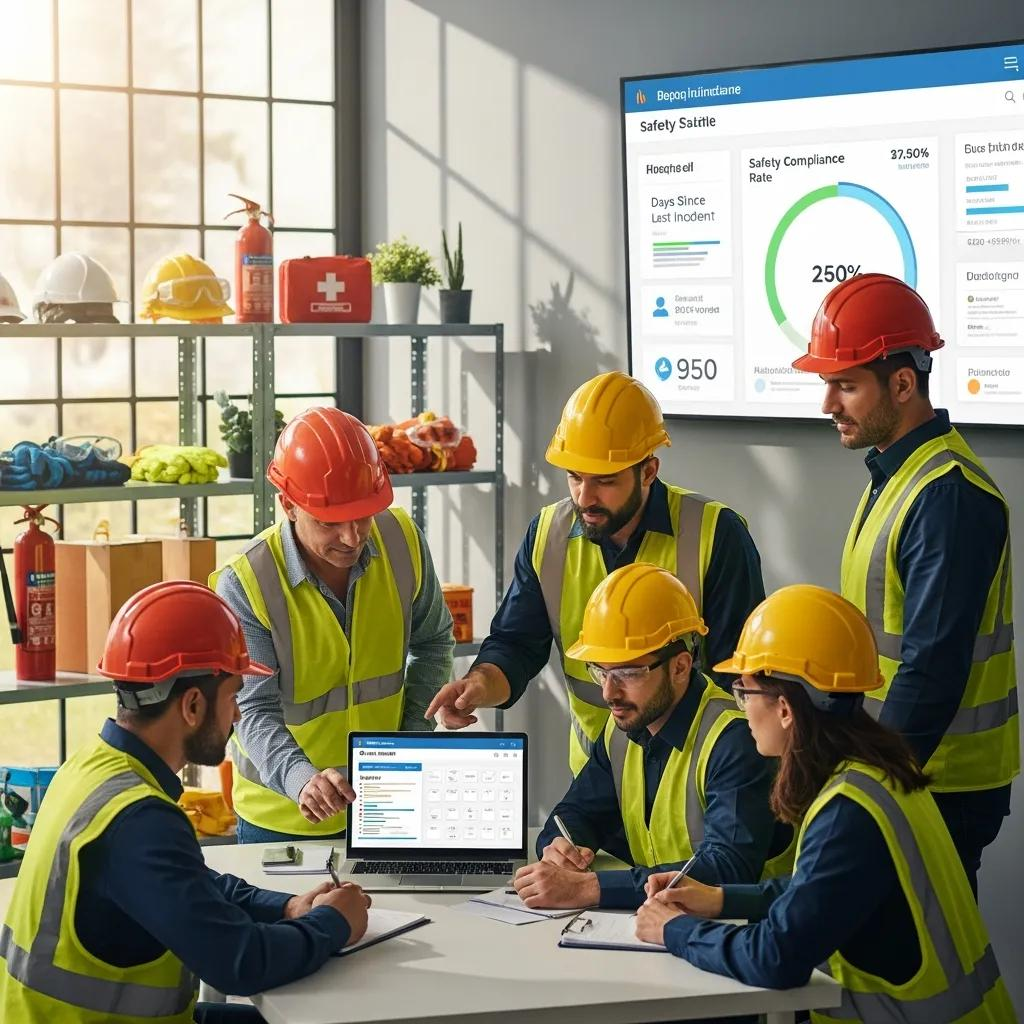
Key Emerging Trends in Workplace Safety Compliance
The landscape of workplace safety is evolving rapidly, driven by regulatory changes, technological advancements, and a growing emphasis on compliance. Business owners and safety officers must stay informed about these trends to ensure their organizations meet safety standards and protect their employees. This article explores the future of workplace safety compliance, focusing on key trends, emerging technologies, and best practices for implementation. Readers will gain insights into how to navigate the complexities of workplace safety regulations and the role of safety officers in adapting to these changes. By understanding the current and upcoming trends, businesses can proactively enhance their safety protocols and compliance measures.
Regulatory Changes
Regulatory changes in workplace safety are crucial for ensuring that businesses adhere to the latest safety standards. Staying updated on Work Health and Safety (WHS) laws is essential, as non-compliance can lead to significant penalties and legal repercussions. Key areas of focus for businesses include understanding the implications of new regulations and the importance of regular compliance audits. As regulations evolve, businesses must adapt their safety protocols to align with these changes, ensuring a safe working environment for all employees.
Indeed, some experts argue that merely monitoring and enforcing compliance might not be sufficient to achieve the ultimate goal of workplace safety.
Evolving Safety Regulation: Beyond Compliance Monitoring
In the case of safety regulation, however, matters are more complex. The focus in this paper will be on safety in an organisational context – for example, safety at work, or safety on public transport. I shall argue that in this context the meaning of compliance is often problematic and that a focus on securing compliance may not be enough to achieve the regulatory goal of safety. Safety regulators may need to go beyond monitoring and enforcing compliance.
New strategies for safety regulators: beyond compliance monitoring, 2006
Emerging Technologies

Emerging technologies are transforming the way businesses approach workplace safety compliance. Automated testing systems and digital record-keeping are becoming increasingly prevalent, streamlining compliance processes and enhancing safety monitoring. These technologies not only improve efficiency but also provide real-time data that can help identify potential hazards before they escalate. By leveraging these advancements, businesses can create a safer workplace while ensuring compliance with evolving regulations.
Best Practices for Implementation
Implementing effective workplace safety practices is vital for maintaining compliance and protecting employees. Best practices include identifying potential hazards, implementing appropriate controls, and providing comprehensive training for employees. Regular safety audits and certifications are also essential to ensure that safety measures are up to date and effective. By fostering a culture of safety and compliance, businesses can significantly reduce the risk of workplace incidents and enhance overall employee well-being.
What Are the Emerging Trends in Workplace Safety Compliance?
Emerging trends in workplace safety compliance reflect the ongoing evolution of safety standards and practices. One significant trend is the increasing integration of technology in safety protocols, which enhances monitoring and reporting capabilities. Additionally, there is a growing emphasis on mental health and well-being in the workplace, recognizing that psychological safety is as important as physical safety. Businesses must stay informed about these trends to adapt their compliance strategies effectively.
How Are Australian Safety Standards Evolving for Electrical and Fire Safety?
Australian safety standards for electrical and fire safety are continually evolving to address new challenges and technologies. Recent updates have focused on enhancing compliance requirements for electrical testing and tagging, ensuring that businesses meet the latest safety protocols. These changes aim to improve workplace safety and reduce the risk of electrical hazards, making it essential for businesses to stay informed about the latest standards and implement necessary changes.
What Role Do Safety Officers Play in Adapting to New Compliance Requirements?
Safety officers play a critical role in adapting to new compliance requirements by staying informed about regulatory changes and implementing necessary safety measures. Their responsibilities include conducting regular inspections, training employees on safety protocols, and ensuring that the organization adheres to the latest safety standards. By actively engaging in compliance efforts, safety officers help create a safer workplace and mitigate potential risks.
How Are Electrical Safety Standards Advancing to Enhance Workplace Protection?
Electrical safety standards are advancing to enhance workplace protection through the introduction of more stringent compliance measures. These advancements focus on improving the safety of electrical installations and equipment, reducing the risk of electrical accidents. Businesses must stay updated on these changes to ensure their compliance and protect their employees from potential hazards.
What Are the Latest Requirements for Electrical Testing and Tagging Under AS/NZS 3760?
The latest requirements for electrical testing and tagging under AS/NZS 3760 emphasize the importance of regular inspections and compliance with safety standards. Businesses are required to conduct testing at specified intervals to ensure that electrical equipment is safe for use. Compliance with these requirements not only protects employees but also helps businesses avoid potential fines and legal issues.
How Can Businesses Ensure Ongoing Electrical Safety Compliance in Brisbane and Surrounding Areas?
To ensure ongoing electrical safety compliance in Brisbane and surrounding areas, businesses should implement regular inspections and testing procedures. This includes adhering to the AS/NZS 3760 standards for electrical testing and tagging. Additionally, providing training for employees on electrical safety practices is essential for maintaining a safe working environment. Partnering with local experts, such as ABC Test Tag and Fire, can further enhance compliance efforts by providing specialized knowledge and services.
What Are the Current and Upcoming Fire Safety Regulations Affecting Workplaces?
Current and upcoming fire safety regulations are critical for ensuring that workplaces are prepared for potential fire hazards. These regulations outline the necessary measures businesses must take to protect their employees and property from fire risks. Understanding these regulations is essential for compliance and can help prevent devastating consequences in the event of a fire.
How Does Fire Extinguisher Maintenance Ensure Compliance with Queensland Fire Safety Laws?
Regular fire extinguisher maintenance is vital for ensuring compliance with Queensland fire safety laws. Businesses are required to conduct monthly checks and six-monthly servicing of fire extinguishers to ensure they are in proper working order. Keeping accurate records of maintenance activities is also essential for demonstrating compliance during inspections.
What Are the Legal Obligations for Fire Safety Audits and Emergency Planning?
Businesses have legal obligations to conduct fire safety audits and develop comprehensive emergency plans. These audits assess the effectiveness of existing fire safety measures and identify areas for improvement. Additionally, emergency planning ensures that employees are prepared to respond effectively in the event of a fire, minimizing risks and enhancing safety.
Which Emerging Technologies Are Shaping the Future of Workplace Safety?
Emerging technologies are significantly shaping the future of workplace safety by enhancing compliance and risk management. Innovations such as IoT devices and AI applications are improving safety monitoring and incident prevention. These technologies provide real-time data and insights that can help businesses identify potential hazards and implement proactive measures to mitigate risks.
How Are IoT and AI Devices Improving Safety Monitoring and Risk Management?
IoT and AI devices are revolutionizing safety monitoring and risk management by providing real-time data and analytics. These technologies enable businesses to monitor safety conditions continuously and respond quickly to potential hazards. By leveraging these advancements, organizations can enhance their safety protocols and ensure compliance with evolving regulations.
What Benefits Do Safety Technology Innovations Offer for Compliance and Incident Prevention?
Safety technology innovations offer numerous benefits for compliance and incident prevention. These technologies streamline compliance processes, improve data accuracy, and enhance reporting capabilities. By adopting these innovations, businesses can reduce the risk of incidents and ensure that they meet regulatory requirements effectively.
How Can Businesses Implement Effective Safety Risk Management and Compliance Auditing?
Implementing effective safety risk management and compliance auditing is essential for maintaining workplace safety. Businesses should establish clear protocols for identifying and assessing risks, as well as conducting regular audits to ensure compliance with safety standards. By fostering a culture of safety and accountability, organizations can significantly reduce the likelihood of workplace incidents.
What Are Best Practices for Conducting Workplace Safety Audits and Certifications?
Best practices for conducting workplace safety audits and certifications include establishing a clear audit schedule, involving employees in the process, and documenting findings thoroughly. Regular audits help identify potential hazards and ensure that safety measures are effective. Additionally, obtaining certifications demonstrates a commitment to safety and compliance.
How Do Safety Training Programs Contribute to Regulatory Compliance and Risk Reduction?

Safety training programs are crucial for regulatory compliance and risk reduction. These programs educate employees about safety protocols, hazard identification, and emergency response procedures. By providing comprehensive training, businesses can empower employees to contribute to a safer workplace and ensure compliance with safety regulations.
Why Should Businesses Partner with Local Experts for Workplace Safety Compliance Services?
Partnering with local experts for workplace safety compliance services offers numerous advantages for businesses. Local providers, such as ABC Test Tag and Fire, possess specialized knowledge of regional regulations and can provide tailored compliance solutions. This partnership can enhance safety measures and ensure that businesses remain compliant with evolving safety standards.
What Advantages Do Brisbane-Based Safety Providers Offer for Tailored Compliance Solutions?
Brisbane-based safety providers offer tailored compliance solutions that cater to the specific needs of local businesses. Their expertise in regional regulations ensures that organizations receive accurate guidance and support in meeting compliance requirements. Additionally, local providers can respond quickly to service requests, enhancing overall safety and compliance efforts.
How Can Prompt and Reliable Service Prevent Fines and Ensure Peace of Mind?
Prompt and reliable service from safety compliance providers can prevent fines and ensure peace of mind for businesses. By addressing safety concerns quickly and effectively, organizations can avoid potential penalties and maintain compliance with regulations. This proactive approach not only protects employees but also enhances the overall reputation of the business.