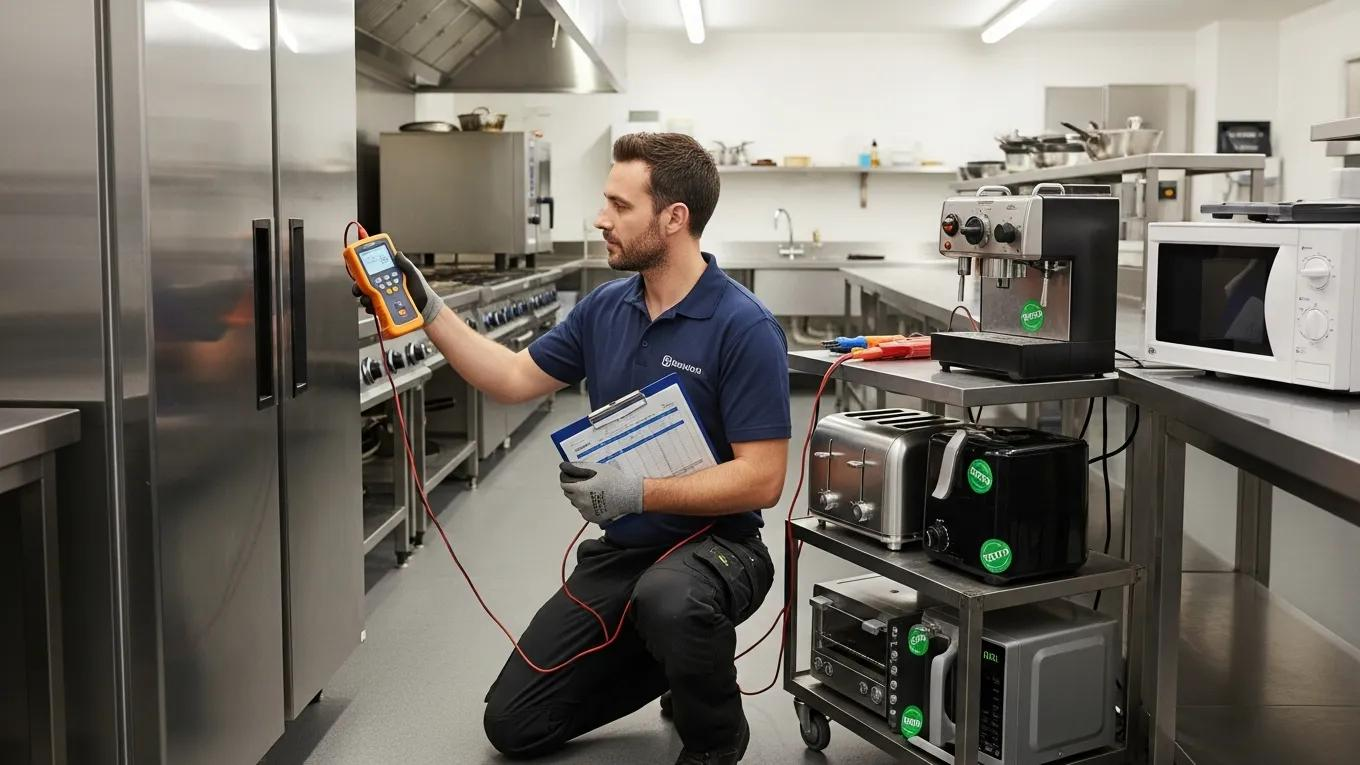
Electrical Test & Tag Compliance for Logan and Brisbane Businesses
Electrical safety compliance is crucial for businesses to ensure a safe working environment and to meet legal obligations. This compliance involves adhering to regulations that govern the safety of electrical installations and equipment, which can significantly reduce the risk of accidents and injuries. By implementing effective electrical safety measures, businesses not only protect their employees but also safeguard their assets and reputation. This article will explore the importance of electrical safety compliance, the benefits of test and tag services, and how businesses in Logan and Brisbane can ensure they meet these essential standards.
Benefits of Test and Tag Services:

Test and tag services provide numerous advantages that enhance electrical safety compliance for businesses. These services involve the systematic testing of electrical appliances and equipment to ensure they meet safety standards. The key benefits include:
The necessity for systematic electrical equipment testing and inspection is a fundamental requirement mandated by safety legislation and standards.
Electrical Equipment Testing & Inspection Requirements
The term ‘electrical testing, inspection or calibration of electrical equipment’ was required by any electrical safety legislation or standard.
Development of an asset management model for effective safety equipment compliance in the Queensland electrical supply industry, 2007
- Enhanced Safety: Regular testing reduces the risk of electrical hazards, ensuring a safer workplace for employees.
- Legal Protection: Compliance with safety regulations protects businesses from legal liabilities and penalties associated with non-compliance.
- Cost-Effectiveness: Preventative maintenance through test and tag services can save businesses money by avoiding costly repairs and downtime.
- Improved Workplace Morale: A safe working environment boosts employee confidence and productivity.
For businesses in Logan and Brisbane, utilizing test and tag services is a proactive approach to maintaining electrical safety compliance.
What Is Electrical Safety Compliance and Why Is It Essential for Your Business?
Electrical safety compliance refers to the adherence to regulations and standards that govern the safe use of electrical equipment and installations. This compliance is essential for several reasons:
- Definition of Electrical Safety Compliance: It encompasses the practices and regulations that ensure electrical systems are safe for use.
- Importance for Businesses: Compliance helps prevent accidents, injuries, and fatalities, which can have devastating effects on both employees and the business itself.
- Legal Requirements: Many jurisdictions require businesses to comply with specific electrical safety standards, such as the Electrical Safety Act (2018, Queensland) and AS/NZS 3760.
Understanding these aspects of electrical safety compliance is vital for any business aiming to operate safely and legally.
The importance of adhering to specific legislation, such as the Queensland Electrical Safety Act, is further highlighted by research into effective safety equipment compliance.
Queensland Electrical Safety Act & Testing Benefits
Safety and Testing, to align the two and provide a system that would satisfy the Queensland Electrical Safety Act and user groups that 6 monthly testing is safe and of financially benefit.
Development of an asset management model for effective safety equipment compliance in the Queensland electrical supply industry, 2007
Understanding Portable Appliance Testing and AS/NZS 3760 Requirements
Portable appliance testing (PAT) is a crucial component of electrical safety compliance. It involves the inspection and testing of electrical appliances to ensure they are safe to use. Key points include:
- Testing Procedures: PAT involves visual inspections and electrical tests to identify any potential hazards.
- Compliance Standards: The AS/NZS 3760 standard outlines the requirements for testing and tagging electrical appliances in Australia and New Zealand.
- Importance for Business Safety: Regular PAT helps businesses identify faulty equipment before it causes harm, ensuring a safer workplace.
By adhering to these testing requirements, businesses can significantly reduce the risk of electrical accidents.
Further emphasizing the importance of standardized procedures, adherence to specific AS/NZS standards, such as the AS/NZS 60335 series, is fundamental for ensuring comprehensive electrical compliance.
AS/NZS Standards for Electrical Compliance
such as the AS/NZS 60335 series for electrical compliance, and AS 4343 for pressure equipment compliance where design and plant registration is required. Compliance with these
Flammable Refrigerants, 2013
Frequency and Procedures of Electrical Compliance Inspections
Regular electrical compliance inspections are essential for maintaining safety standards. The frequency and procedures for these inspections include:
- Recommended Inspection Intervals: Businesses should conduct inspections at least annually, or more frequently depending on the level of risk associated with their equipment.
- Procedural Steps for Conducting Inspections: Inspections typically involve a thorough examination of electrical systems, testing of appliances, and documentation of findings.
Establishing a routine for electrical compliance inspections ensures ongoing safety and compliance with legal requirements.
What Are Fire Safety Compliance Services and Their Role in Protecting Your Business?
Fire safety compliance services are designed to ensure that businesses meet the necessary fire safety regulations. These services play a critical role in protecting businesses by:
- Types of Fire Safety Compliance Services: These may include fire risk assessments, installation of fire safety equipment, and regular maintenance checks.
- Regulatory Requirements: Compliance with fire safety regulations is mandatory and helps prevent fire-related incidents.
- Benefits of Fire Safety Compliance: Ensuring fire safety compliance protects employees, reduces the risk of property damage, and enhances overall safety culture within the organization.
Integrating fire safety compliance with electrical safety measures is essential for comprehensive workplace safety.
Key Fire Safety Equipment Checks and Regulatory Obligations
Regular checks of fire safety equipment are vital for compliance and safety. Key checks include:
- Fire Extinguishers: Ensure they are accessible, properly maintained, and regularly inspected.
- Smoke Alarms: Test functionality and replace batteries as needed to ensure they are operational.
- Exit Lights: Verify that exit signs are illuminated and visible to guide occupants in case of an emergency.
These checks are not only regulatory obligations but also critical for ensuring the safety of all building occupants.
Integrating Fire Safety Compliance with Electrical Safety Measures

Integrating fire safety compliance with electrical safety measures creates a comprehensive safety strategy. This integration involves:
- Comprehensive Testing Services: Utilizing services that address both electrical and fire safety ensures all potential hazards are managed.
- Regular Inspections: Conducting joint inspections can streamline compliance efforts and enhance safety.
- Documentation and Reporting: Keeping detailed records of inspections and compliance efforts is essential for accountability and legal protection.
By combining these safety measures, businesses can create a safer working environment.
How Does Electrical Safety Compliance Mitigate Risks and Avoid Legal Penalties?
Electrical safety compliance is crucial for mitigating risks and avoiding legal penalties. Key points include:
- Potential Risks of Non-Compliance: Failing to comply with electrical safety regulations can lead to serious accidents, injuries, and even fatalities.
- Legal Consequences: Non-compliance can result in significant fines, legal action, and damage to a business’s reputation.
- Benefits of Compliance: Adhering to safety standards not only protects employees but also enhances a business’s credibility and trustworthiness.
Understanding these risks emphasizes the importance of maintaining electrical safety compliance.
Common Penalties for Non-Compliance and Their Impact on Businesses
Non-compliance with electrical safety regulations can lead to severe penalties. Common penalties include:
- Financial Penalties: Businesses may face hefty fines for failing to meet safety standards.
- Legal Repercussions: Non-compliance can result in lawsuits and legal action from affected parties.
- Damage to Reputation: A history of non-compliance can harm a business’s reputation, leading to loss of customers and trust.
These penalties highlight the critical need for businesses to prioritize electrical safety compliance.
Benefits of Compliance: Reducing Workplace Incidents and Protecting Assets
Compliance with electrical safety regulations offers numerous benefits, including:
- Risk Mitigation: Regular compliance efforts significantly reduce the likelihood of workplace incidents.
- Legal Protection: Compliance safeguards businesses from legal repercussions associated with accidents.
- Cost-Effectiveness: Investing in compliance can save businesses money in the long run by preventing costly accidents and repairs.
These benefits underscore the importance of maintaining a strong commitment to electrical safety compliance.
How Can Businesses in Logan, Brisbane, and Gold Coast Request Electrical Safety Compliance Services?
Businesses looking to enhance their electrical safety compliance can easily request services by following these steps:
- Contact the Provider: Reach out to a reputable compliance service provider in your area.
- Initial Consultation: Schedule a consultation to discuss specific needs and compliance requirements.
- Testing and Reporting: After testing, expect a detailed report outlining compliance status and any necessary actions.
This straightforward process ensures that businesses can effectively manage their electrical safety compliance needs.
Booking Test and Tag and Fire Safety Compliance Services with ABC Test Tag and Fire
Booking compliance services is a simple process that can significantly enhance workplace safety. Businesses can follow these steps:
- Contact the Provider: Reach out to ABC Test Tag and Fire for inquiries about their services.
- Request a Quote: Obtain a detailed quote for the required compliance services.
- Schedule Services: Arrange a convenient time for the testing and compliance checks to be conducted.
By utilizing the services of ABC Test Tag and Fire, businesses can ensure they meet all necessary compliance standards.
What to Expect During Compliance Inspections and Reporting
During compliance inspections, businesses can expect a thorough evaluation of their electrical systems. Key aspects include:
- Inspection Process: Inspectors will assess the condition of electrical equipment and installations.
- Common Requirements: Businesses should be prepared to provide access to all relevant equipment and documentation.
- Necessary Documentation: After the inspection, businesses will receive a report detailing compliance status and any required actions.
Understanding the inspection process helps businesses prepare effectively and ensures a smooth compliance experience.
For more information on maintaining compliance, businesses can explore electrical safety compliance services offered by local experts.