How Logan Ensures Your Electrical Safety Compliance with Professional Test and Tag Services
Ensuring electrical safety compliance is crucial for businesses in Logan, as it protects employees and customers while adhering to legal standards. This article delves into how professional test and tag services, such as those offered by ABC Test Tag and Fire, play a vital role in maintaining electrical safety. Readers will learn about the comprehensive processes involved in electrical safety compliance, including initial consultations, visual inspections, and rigorous testing procedures. The importance of these services cannot be overstated, as they not only mitigate risks but also enhance workplace safety and compliance with regulatory standards. This guide will cover the steps involved in the compliance process, the benefits to clients, and the regulatory framework governing electrical safety in Logan.
Initial Consultation and Assessment
The initial consultation and assessment are foundational steps in the electrical safety compliance process. During this phase, professionals evaluate the specific needs of a business, assessing the types of electrical equipment in use and determining the necessary testing requirements. This tailored approach ensures that all compliance measures are relevant and effective, setting the stage for a thorough safety evaluation.
Visual Inspection
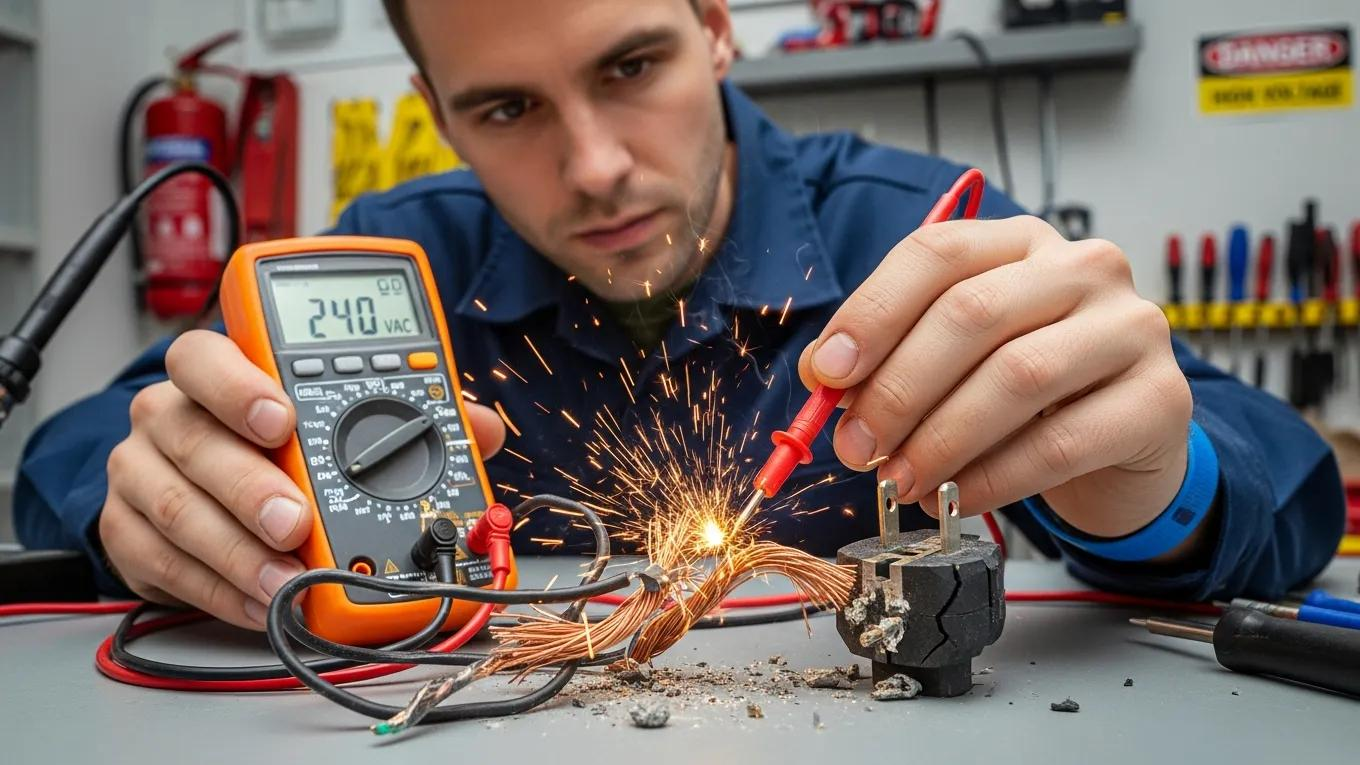
Visual inspections are critical for identifying potential hazards in electrical appliances and systems. Trained professionals examine equipment for visible defects, such as frayed wires or damaged plugs, which could pose safety risks. This proactive measure helps ensure that any issues are addressed before they lead to more significant problems, thereby enhancing overall workplace safety.
Electrical Testing
Electrical testing involves a series of systematic procedures designed to evaluate the safety and functionality of electrical equipment. Key tests include insulation resistance tests and earth continuity tests, which assess the integrity of electrical systems. These tests are essential for identifying faults that could lead to electrical failures or hazards, ensuring that all equipment meets safety standards.
Tagging
Tagging is the process of labeling compliant electrical appliances to indicate their safety status. Each tag provides essential information, including the date of the last test and the next scheduled inspection. This practice not only helps maintain compliance but also serves as a visual reminder for employees to ensure that equipment is regularly monitored and maintained.
Documentation

After testing and tagging, comprehensive documentation is provided to clients. This includes detailed reports outlining the results of inspections and tests, as well as certificates of compliance. Such documentation is crucial for demonstrating adherence to safety regulations and can be invaluable during audits or inspections by regulatory bodies.
Regulatory Standards Met
Compliance with regulatory standards is a fundamental aspect of electrical safety. In Logan, businesses must adhere to the Electrical Safety Act 2002 and AS/NZS 3760 standards, which govern the testing and tagging of electrical equipment. These regulations are designed to protect both employees and customers by ensuring that all electrical systems are safe and reliable.
Benefits to Clients
Utilizing professional test and tag services offers numerous advantages for businesses in Logan. These benefits include:
- Cost Savings: Regular testing can prevent costly electrical failures and downtime.
- Compliance Assurance: Ensures adherence to legal requirements, reducing the risk of penalties.
- Risk Mitigation: Identifies potential hazards before they lead to accidents or injuries.
- Enhanced Workplace Safety: Promotes a safer working environment for employees and customers.
For businesses in Logan, partnering with a reliable service provider like ABC Test Tag and Fire can significantly enhance their compliance efforts and overall safety.
What Are Electrical Test and Tag Services in Logan and Why Are They Essential?
Electrical test and tag services are systematic processes that ensure the safety and compliance of electrical equipment in workplaces. These services are essential for identifying faulty appliances and preventing electrical hazards. By conducting thorough inspections and tests, businesses can maintain a safe environment and comply with regulatory standards.
How Do Test and Tag Procedures Ensure Workplace Electrical Safety?
Test and tag procedures ensure workplace electrical safety through a structured approach that includes initial consultations, visual inspections, and rigorous electrical testing. Each step is designed to identify potential risks and ensure that all equipment meets safety standards. This comprehensive process not only protects employees but also helps businesses avoid legal repercussions.
Which Australian Standards Govern Electrical Equipment Testing in Logan?
In Logan, the primary standards governing electrical equipment testing include AS/NZS 3760 and the Electrical Safety Act 2002. These regulations outline the requirements for testing and tagging electrical appliances, ensuring that businesses maintain compliance and prioritize safety. Adhering to these standards is crucial for protecting both employees and customers.
How Does Fire Safety Compliance Complement Electrical Safety in Logan Businesses?
Fire safety compliance is closely linked to electrical safety, as faulty electrical equipment can lead to fire hazards. Ensuring that both electrical and fire safety measures are in place creates a comprehensive safety strategy for businesses in Logan. This integrated approach not only protects assets but also enhances overall workplace safety.
What Are the Fire Safety Regulatory Requirements for Logan Commercial Properties?
Logan commercial properties must adhere to specific fire safety regulatory requirements, including conducting regular fire risk assessments and implementing preventive measures. These regulations are designed to minimize the risk of fire incidents and ensure that businesses are prepared in the event of an emergency.
How Do Integrated Fire Safety Solutions Support Overall Workplace Compliance?
Integrated fire safety solutions support overall workplace compliance by providing a holistic approach to safety. By combining fire safety measures with electrical safety protocols, businesses can create a safer environment that meets all regulatory requirements. This comprehensive strategy not only protects employees but also enhances the organization’s reputation.
What Are Logan’s Electrical Compliance Regulations and How Do They Impact Your Business?
Logan’s electrical compliance regulations are designed to ensure the safety of electrical systems in workplaces. These regulations require businesses to conduct regular testing and maintain proper documentation of compliance efforts. Adhering to these regulations is essential for minimizing risks and avoiding legal penalties.
Which Queensland Workplace Electrical Safety Laws Must Businesses Follow?
Businesses in Queensland must follow several workplace electrical safety laws, including the Electrical Safety Act 2002 and AS/NZS 3760. These laws outline the requirements for testing and tagging electrical equipment, ensuring that all businesses prioritize safety and compliance.
How Does Compliance Reduce Risks and Avoid Legal Penalties in Logan?
Compliance with electrical safety regulations significantly reduces risks and helps businesses avoid legal penalties. By conducting regular testing and maintaining proper documentation, organizations can demonstrate their commitment to safety and protect themselves from potential liabilities.
How Can Businesses Access Reliable Commercial Test and Tag Services in Logan?
Accessing reliable commercial test and tag services in Logan involves identifying the specific needs of a business and selecting a qualified provider. It is essential to choose a service that offers comprehensive testing and tagging solutions tailored to the unique requirements of each organization.
What Is the Process to Book and Obtain a Quote for Electrical Safety Testing?
The process to book and obtain a quote for electrical safety testing typically involves an initial consultation, where the service provider assesses the business’s needs. Following this assessment, a detailed quote is provided, outlining the services offered and associated costs. This transparent approach ensures that businesses understand their compliance requirements and can budget accordingly.
Which Benefits Do Professional Test and Tag Providers Offer to Logan Businesses?
Professional test and tag providers offer numerous benefits to Logan businesses, including enhanced safety, legal protection, and peace of mind. By partnering with experienced professionals, organizations can ensure that their electrical systems are compliant and safe, ultimately fostering a secure working environment.
What Are the Best Practices for Workplace Electrical Safety Testing in Logan?
Implementing best practices for workplace electrical safety testing is essential for maintaining compliance and ensuring safety. These practices include regular testing intervals, thorough documentation, and employee training on electrical safety protocols.
How Often Should Electrical Equipment Be Tested and Tagged According to AS/NZS 3760?
According to AS/NZS 3760, electrical equipment should be tested and tagged at regular intervals, typically every 6 to 12 months, depending on the type of equipment and its usage. High-risk equipment may require more frequent testing to ensure ongoing safety and compliance.
What Documentation and Certification Are Issued After Compliance Testing?
After compliance testing, businesses receive detailed documentation, including test reports and certificates of compliance. These documents serve as proof of adherence to safety regulations and are essential for audits and inspections by regulatory authorities.