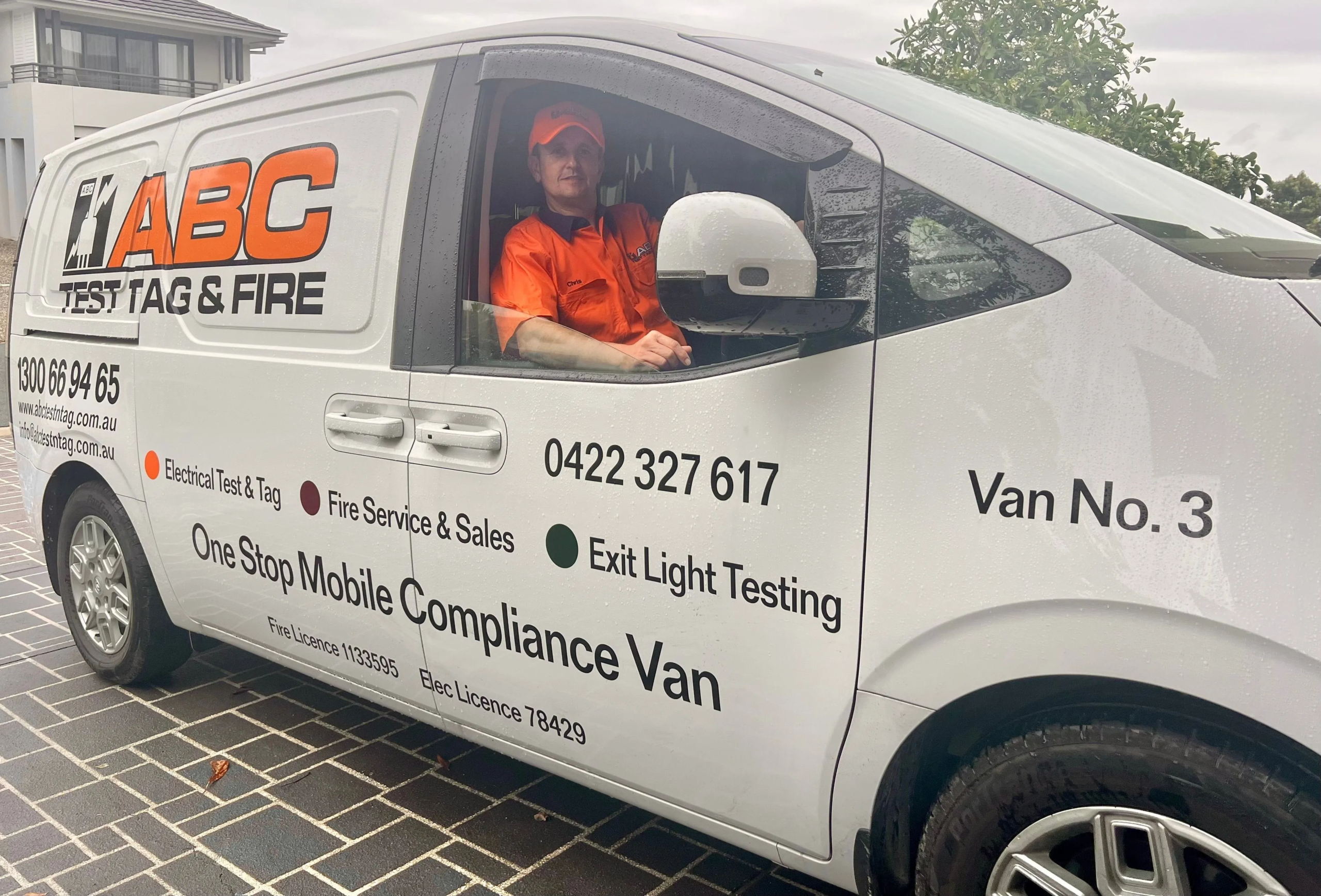
Is Your Business Compliant With Electrical Safety Standards? Comprehensive Guide to Electrical Equipment Testing and Fire Safety Compliance
Ensuring compliance with electrical safety standards is crucial for businesses to protect their employees and assets. This comprehensive guide will delve into the mandatory electrical safety compliance requirements, the frequency of testing, and the components of a professional electrical safety inspection. Many businesses struggle with understanding the legal obligations and the potential consequences of non-compliance. By following this guide, you will gain insights into how to maintain compliance and the benefits it brings to your organization. We will explore the specific requirements for businesses in Brisbane, the importance of regular testing, and how to book reliable compliance services.
Essential Electrical Testing and Fire Safety Compliance Guide
In Brisbane, businesses must adhere to specific electrical safety compliance requirements to ensure a safe working environment. Key regulations include the Australian Standards AS/NZS 3760 and the Electrical Safety Act 2002, which outline the necessary protocols for “electrical equipment testing” and tagging. Compliance with these standards is not just a legal obligation; it is essential for workplace safety. Failure to comply can lead to severe penalties, including fines and legal repercussions, emphasizing the importance of understanding and implementing these requirements.
Understanding Australian Standards AS/NZS 3760 for Test and Tag Services

The Australian Standards AS/NZS 3760 provides a framework for the testing and tagging of electrical equipment. This standard specifies the frequency of testing based on the type of equipment and its usage environment. For instance, high-risk equipment may require more frequent testing compared to low-risk items. Documentation is also a critical component of compliance, as it serves as proof of adherence to safety standards. Understanding these standards is vital for businesses to ensure they meet their legal obligations under the Electrical Safety Act.
Legal Obligations Under WorkSafe Queensland Regulations
Under WorkSafe Queensland regulations, businesses are mandated to conduct regular testing of electrical equipment. This includes maintaining accurate documentation of all tests performed and ensuring that employees are adequately trained in safety protocols. Non-compliance can result in significant penalties, including fines and potential legal action. It is crucial for businesses to stay informed about their legal obligations to avoid these consequences and ensure a safe working environment for all employees.
How Often Should Electrical Equipment Testing and Tagging Be Performed?
Regular testing and tagging of electrical equipment are essential for maintaining safety standards in the workplace. The frequency of testing varies based on the risk level associated with the equipment.
- High-Risk Equipment: Requires testing every 3-6 months to ensure safety and compliance.
- Medium-Risk Equipment: Should be tested annually to mitigate potential hazards.
- Low-Risk Equipment: Can be tested every 2 years, depending on usage and environmental factors.
Understanding these intervals helps businesses maintain compliance and protect their employees from electrical hazards.
Further emphasizing the strict requirements in the region, some sources indicate a mandatory testing frequency for all electrical equipment in Queensland.
Mandatory Electrical Equipment Testing Frequency
Introduction of broadband cabling on the electrical network in Brisbane has created issues. In Queensland all electrical equipment used must be inspected or tested every 6 months.
Development of an asset management model for effective safety equipment compliance in the Queensland electrical supply industry, 2007
Recommended Testing Intervals for Different Workplace Environments
Different workplace environments necessitate varying testing intervals for electrical equipment. For example, construction sites, which often involve high-risk equipment, typically require quarterly testing. In contrast, general office environments may only need annual testing for standard equipment. Factors influencing these intervals include equipment usage, environmental conditions, and the specific risks associated with the workplace.
Consequences of Non-Compliance and Penalties
The consequences of failing to comply with electrical safety standards can be severe. Fines for non-compliance can reach up to $1.1 million, depending on the severity of the violation. Additionally, businesses may face legal actions arising from negligence, which can lead to increased scrutiny and potential operational disruptions. Non-compliance not only poses financial risks but also increases the likelihood of accidents, jeopardizing employee safety and business reputation.
What Does a Professional Electrical Safety Inspection Include?

A professional electrical safety inspection encompasses several critical components designed to ensure compliance and safety. This process typically includes visual inspections of electrical equipment, thorough testing to verify functionality, and the generation of documentation post-inspection.
Industry guidelines further detail the essential components that constitute a robust electrical safety inspection program.
Elements of Electrical Safety Inspection Programs
The guidelines identify four general elements that are their existing written electrical safety inspection program, safe work, and also include an inspection of the facility electrical systems.
Electrical safety inspections in industrial facilities, 2016
Scope of Electrical Equipment Testing and Audits
The scope of electrical equipment testing involves a systematic approach to identifying potential hazards. Initial consultations are crucial to understanding the specific needs of the business. Visual inspections help identify any visible issues, while testing ensures that all equipment meets the required safety standards. This comprehensive approach is essential for maintaining compliance and ensuring a safe working environment.
Integration of Fire Safety Compliance Services
Integrating fire safety compliance services with electrical safety inspections is vital for a holistic approach to workplace safety. Combining these services reduces overall risks and ensures that businesses meet all regulatory requirements. Additionally, bundling these services can be cost-effective, providing businesses with comprehensive safety solutions that address both electrical and fire hazards.
The complexity of fire safety regulations often necessitates a comprehensive approach to integrate diverse requirements into compliance checking processes.
Fire Safety Regulatory Compliance & Digital Planning
integration of fire safety requirements into the digital planning process necessitates merging diverse and scattered regulatory knowledge related to fire safety. code compliance checking
An ontology-based approach of automatic compliance checking for structural fire safety requirements, T Hartmann, 2024
How Can Your Business Book Reliable Test and Tag and Fire Safety Compliance Services?
Booking reliable test and tag and fire safety compliance services is a straightforward process that can significantly enhance workplace safety.
- Contact a Certified Provider: Ensure that the provider is certified and experienced in compliance services.
- Schedule an Initial Consultation: Discuss your specific needs and any concerns regarding your electrical equipment.
- Receive a Detailed Quote: Obtain a clear understanding of the services offered and associated costs.
Step-by-Step Guide to Requesting Quotes and Scheduling Inspections
To effectively book compliance services, businesses should follow a structured approach. First, identify your specific needs and gather any necessary documentation for inspections. Next, reach out to certified providers to discuss your requirements and request quotes. Finally, confirm appointments to minimize disruption to your operations, ensuring a smooth process for compliance inspections.
Benefits of Choosing Local Brisbane Compliance Experts
Choosing local compliance experts offers several advantages. Local providers have a deep understanding of regional regulations and can offer timely service, enhancing compliance efforts. Additionally, working with local experts can be more cost-effective, as they are familiar with the specific needs of businesses in Brisbane, Ipswich, and the Gold Coast.
What Are the Benefits of Maintaining Workplace Electrical and Fire Safety Compliance?
Maintaining compliance with electrical and fire safety standards provides numerous benefits for businesses.
- Risk Reduction: Regular testing and inspections help identify and mitigate potential hazards, ensuring a safer workplace.
- Legal Protection: Compliance protects businesses from fines and legal repercussions, safeguarding their financial stability.
- Enhanced Employee Safety: A commitment to safety fosters a positive work environment, boosting employee morale and productivity.
Reducing Workplace Risks and Ensuring Employee Safety
Implementing regular safety audits and employee training programs is essential for risk management. Regular audits help identify hazards, while training fosters a culture of safety among employees. Documentation of compliance efforts supports ongoing safety initiatives and demonstrates a commitment to workplace safety.
Avoiding Fines and Enhancing Business Reputation
Proactive compliance efforts can prevent costly fines and enhance a business’s reputation. By demonstrating a commitment to safety, businesses can build trust with employees and clients alike. This proactive approach to risk management is essential for long-term success and sustainability.
Where Can You Find Resources and Support for Electrical Safety Compliance?
Accessing resources and support for electrical safety compliance is crucial for businesses looking to maintain compliance.
- Regulatory Websites: These provide essential information on compliance requirements and updates.
- Industry Standards: Staying informed about industry standards is vital for ensuring compliance.
- Professional Services: Engaging with professional services can assist businesses in navigating compliance requirements and updates.
Accessing Compliance Checklists and Regulatory Updates
Businesses can find compliance resources by visiting regulatory websites that offer guidelines and checklists. Utilizing industry standards is also crucial for maintaining compliance, as these documents outline best practices and requirements. Engaging with professional services can provide additional support and ensure that businesses remain up-to-date with regulatory changes.
Contacting WorkSafe Queensland and Australian Standards Authorities
For direct assistance, businesses can contact WorkSafe Queensland and Australian Standards authorities. These organizations provide valuable resources and guidance on compliance requirements. Having access to this information is essential for businesses to navigate the complexities of electrical safety compliance effectively.