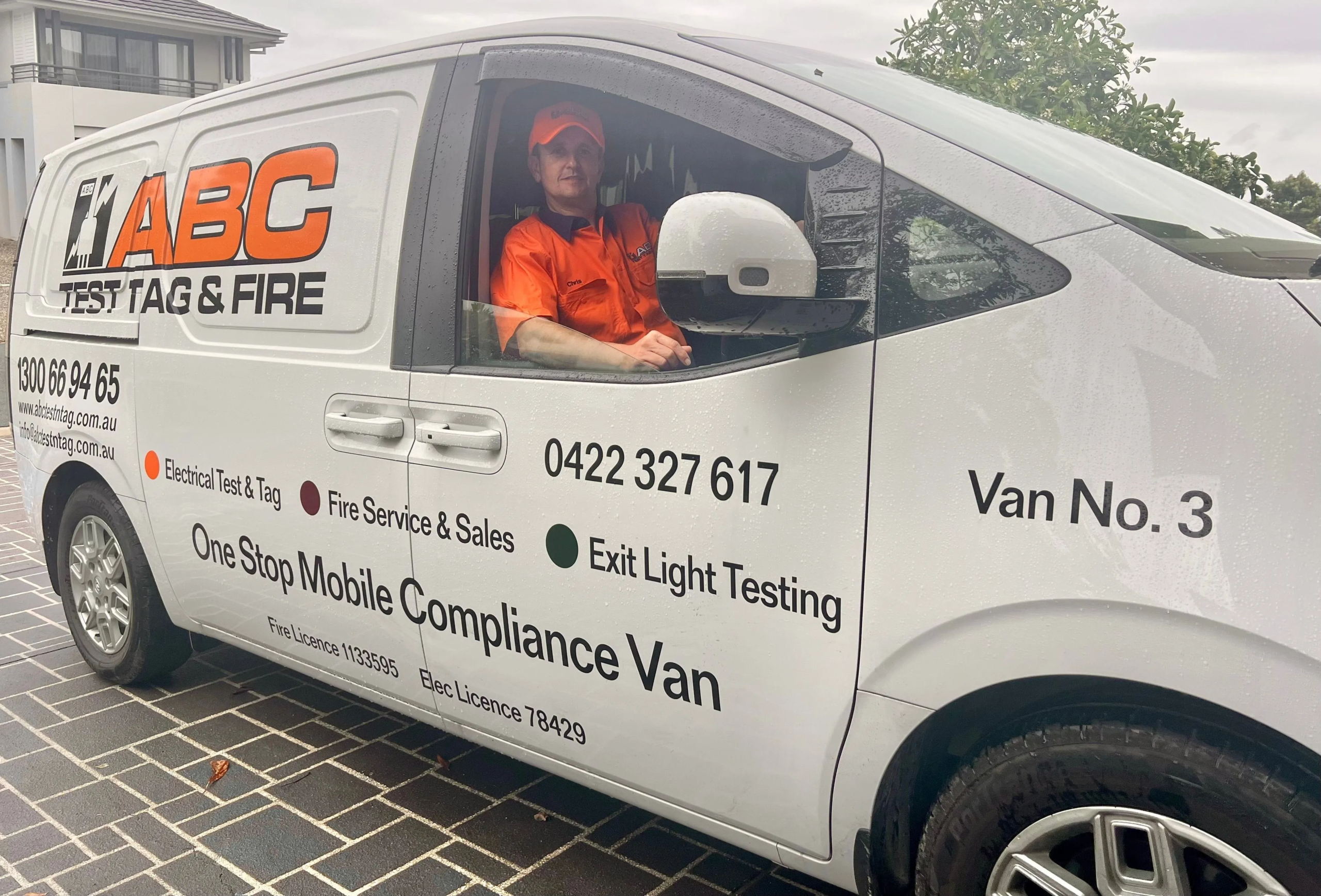
Logan Test and Tag Compliance Explained
Electrical safety is a critical concern for businesses, particularly in regions like Logan, where compliance with safety regulations is paramount. This article delves into the importance of electrical test and tag compliance, outlining the regulatory requirements and implications for businesses. Readers will gain insights into the mechanisms of electrical safety compliance, the role of test and tag services, and the steps necessary to maintain compliance. Understanding these elements is essential for protecting employees and ensuring a safe working environment. We will also explore the costs and benefits associated with professional test and tag services, providing a comprehensive overview of what businesses need to know.
Importance of Electrical Safety
Electrical safety is vital in any workplace, as it directly impacts the well-being of employees and customers. Regular testing of electrical equipment helps identify potential hazards, ensuring that any risks are mitigated before they lead to accidents. Compliance with safety standards not only protects individuals but also enhances the overall safety culture within an organization. By prioritizing electrical safety, businesses can minimize risks and demonstrate their commitment to maintaining a safe environment.
ABC Test Tag and Fire specializes in providing electrical test and tag services in the Logan region, ensuring that businesses meet their compliance obligations effectively. Their expertise in electrical safety compliance helps organizations navigate the complexities of safety regulations, ultimately fostering a safer workplace.
Regulatory Adherence
Adhering to regulatory requirements is essential for businesses operating in Queensland. The Electrical Safety Act mandates that all electrical equipment must be tested and tagged to ensure it is safe for use. Non-compliance can result in severe penalties, including fines and legal repercussions. Demonstrating a commitment to safety not only protects the business from legal issues but also enhances its reputation among customers and stakeholders.
ABC Test Tag and Fire offers comprehensive services that assist businesses in meeting these regulatory requirements. Their team of professionals ensures that all testing and tagging is conducted according to the latest standards, providing peace of mind to business owners.
Implications for Businesses
The implications of electrical test and tag compliance extend beyond legal obligations. Businesses that prioritize compliance can enjoy several benefits, including:
- Legal Protection: Compliance with safety regulations protects businesses from potential legal penalties.
- Enhanced Safety: Regular testing reduces the likelihood of accidents, creating a safer environment for employees and customers.
- Cost-Effectiveness: Early identification of hazards can prevent costly repairs and downtime.
By investing in compliance, businesses not only safeguard their operations but also promote a culture of safety that can lead to increased employee morale and productivity.
What is Electrical Test and Tag Compliance in Logan?
Electrical test and tag compliance refers to the systematic process of inspecting and certifying electrical equipment to ensure it meets safety standards. This process is crucial for maintaining workplace safety and adhering to regulatory requirements in Australia. Regular testing and tagging of electrical appliances help identify any faults or hazards, ensuring that equipment is safe for use.
Understanding Portable Appliance Testing and Its Importance
Portable Appliance Testing (PAT) is a key component of electrical test and tag compliance. This process involves visual inspections and electrical testing of appliances to identify any potential risks. Regular PAT ensures that equipment remains compliant with safety standards, protecting both employees and customers from electrical hazards. Legal compliance is mandatory, and businesses must adhere to the testing frequency outlined in the regulations.
How Electrical Test and Tag Services Support Workplace Safety
Electrical test and tag services play a vital role in enhancing workplace safety. By conducting regular inspections, these services help identify hazards before they lead to accidents. Documentation provided by test and tag services aids in compliance, ensuring that businesses can demonstrate their commitment to safety during audits. Additionally, many insurance policies require proof of regular testing, making these services essential for maintaining coverage.
What Are the Key Queensland Test and Tag Regulations for Compliance?

In Queensland, businesses must adhere to specific regulations governing test and tag compliance. The AS/NZS 3760 standard outlines the requirements for testing and tagging electrical equipment, including the frequency of testing based on the type of equipment used. Non-compliance can result in significant penalties, making it crucial for businesses to stay informed about their obligations.
Overview of AS/NZS 3760 Electrical Safety Standards
The AS/NZS 3760 standard provides a comprehensive framework for electrical safety compliance. It outlines the procedures for visual inspections and electrical testing, ensuring that all equipment is safe for use. Tagging compliant equipment is essential for easy identification and record-keeping, facilitating audits and inspections.
Legal Obligations for Business Owners and Safety Officers
Business owners and safety officers have a legal obligation to ensure that all electrical equipment is tested regularly. This includes maintaining accurate records of testing and engaging qualified professionals to conduct inspections. Regular testing is mandatory, and failure to comply can lead to severe consequences, including fines and legal action.
How Do Fire Safety Compliance Services Complement Electrical Testing?

Fire safety compliance services are essential in conjunction with electrical testing. These services ensure that all fire safety equipment is regularly inspected and maintained, reducing the risk of fire hazards in the workplace. Integrating fire safety and electrical testing services enhances overall compliance and safety.
Key Fire Safety Regulations and Standards in Queensland
In Queensland, compliance with fire safety regulations is governed by standards such as AS 1851:2012. Regular inspections of fire safety equipment, including alarms and extinguishers, are crucial for ensuring workplace safety. Documentation of these inspections is essential for compliance and can be requested during audits.
What Are the Steps to Book and Maintain Test and Tag Compliance in Logan?
Booking and maintaining test and tag compliance involves several key steps that businesses should follow to ensure they meet their obligations effectively.
- Identify Testing Needs: Assess the types of equipment that require testing and establish a schedule.
- Select a Reputable Service Provider: Choose a qualified service provider with experience in electrical safety compliance.
- Schedule the Inspection: Arrange for regular inspections to ensure ongoing compliance.
Scheduling Electrical Safety Inspections and Portable Appliance Testing
Scheduling electrical safety inspections and PAT is crucial for maintaining compliance. An initial consultation with a service provider can help identify specific testing needs and establish a timeline for inspections. Gathering necessary documentation and conducting testing and tagging are essential steps in this process.
Understanding Certification, Documentation, and Renewal Processes
Maintaining accurate records of testing and compliance documentation is vital for businesses. Regularly reviewing compliance documentation and engaging in ongoing training ensures that businesses remain informed about their obligations. Certification renewal processes should also be understood to avoid lapses in compliance.
What Are the Costs and Benefits of Professional Test and Tag Services in Logan?
The costs associated with professional test and tag services can vary based on several factors, including the type of equipment and the frequency of testing. However, the benefits of compliance far outweigh the costs.
- Cost Factors and Pricing Transparency for Test and Tag Services: Pricing for test and tag services can vary based on the complexity of the equipment and the service provider. Transparent pricing models help businesses understand the costs involved and plan accordingly.
- Benefits of Compliance: Avoiding Penalties and Ensuring Employee Safety: Compliance with safety regulations helps businesses avoid legal penalties and ensures the safety of employees. The cost-effectiveness of compliance is evident through the prevention of accidents and the associated costs of repairs and downtime.
This table illustrates the various service packages available, highlighting the cost-effectiveness of investing in compliance.
What Are Common Questions About Logan Test and Tag Compliance?
Understanding common questions about test and tag compliance can help businesses navigate their obligations more effectively.
How Often Should Electrical Equipment Be Tested in Queensland?
Electrical equipment in Queensland should typically be tested annually, although high-risk equipment may require more frequent testing. Compliance with AS/NZS 3760 is essential to ensure safety and adherence to regulations.
Who Is Responsible for Workplace Electrical Safety Compliance?
Business owners are primarily responsible for ensuring workplace electrical safety compliance. Safety officers also play a crucial role in maintaining compliance and ensuring that all equipment is regularly tested and documented.
For detailed pricing information, Moz Pro offers transparent tier-based plans that can help businesses budget for their compliance needs effectively.
Additionally, Ahrefs provides comprehensive SEO tools that can assist businesses in optimizing their online presence while maintaining compliance with industry standards.
Businesses looking to compare various options can benefit from a SEO tools comparison to select the best services that align with their compliance and marketing strategies.