Portable Appliance Testing vs DIY: Essential Electrical Safety Testing Services Explained
Ensuring electrical safety in the workplace is paramount, and understanding the differences between professional portable appliance testing (PAT) and DIY approaches is crucial for compliance and safety. This article will delve into the importance of adhering to Australian electrical standards, the risks associated with DIY testing, and the benefits of professional services. Readers will learn how to navigate the complexities of electrical safety compliance and make informed decisions about their testing needs. We will explore the key components of PAT, the potential legal consequences of inadequate testing, and how businesses can engage professional services effectively. By the end of this article, you will have a comprehensive understanding of the critical aspects of electrical safety testing.
Understanding the unique aspects of Australia’s electrical system is fundamental to appreciating the country’s specific safety standards and regulations.
Australian Electrical Safety Standards & Regulations
Australia has an electricity mains supply that differs from those of most countries. Safety standards are discussed in the context of existing and proposed Australian safety standards. The effects of different electrical parameters on the human body are also considered, providing a comprehensive overview of electrical safety from an Australian perspective.
Electrical safety: an Australian perspective, 1982
Importance of Compliance with Australian Electrical Standards
Compliance with Australian electrical standards is essential for ensuring the safety of electrical appliances and systems in the workplace. Adhering to these standards not only protects employees but also mitigates legal risks associated with non-compliance. Businesses that comply with these regulations can avoid penalties and enhance their reputation as safe workplaces. Furthermore, compliance is often a requirement for insurance coverage, ensuring that businesses are protected in case of accidents or incidents.
These standards are not merely guidelines but crucial frameworks, with authorities actively monitoring adherence to ensure a safe working environment.
Workplace Electrical Compliance with AS/NZS Standards
Adherence to Australian standards such as AS/NZS 3000:2018 and AS/NZS 3008.1 is crucial for all electrical activities. This is reflected in the topic of ‘Electrical Safety’ and the ability of authorities to enter any workplace to monitor its compliance with these essential regulations, ensuring a safe environment.
Electrotechnology Practice, 2018
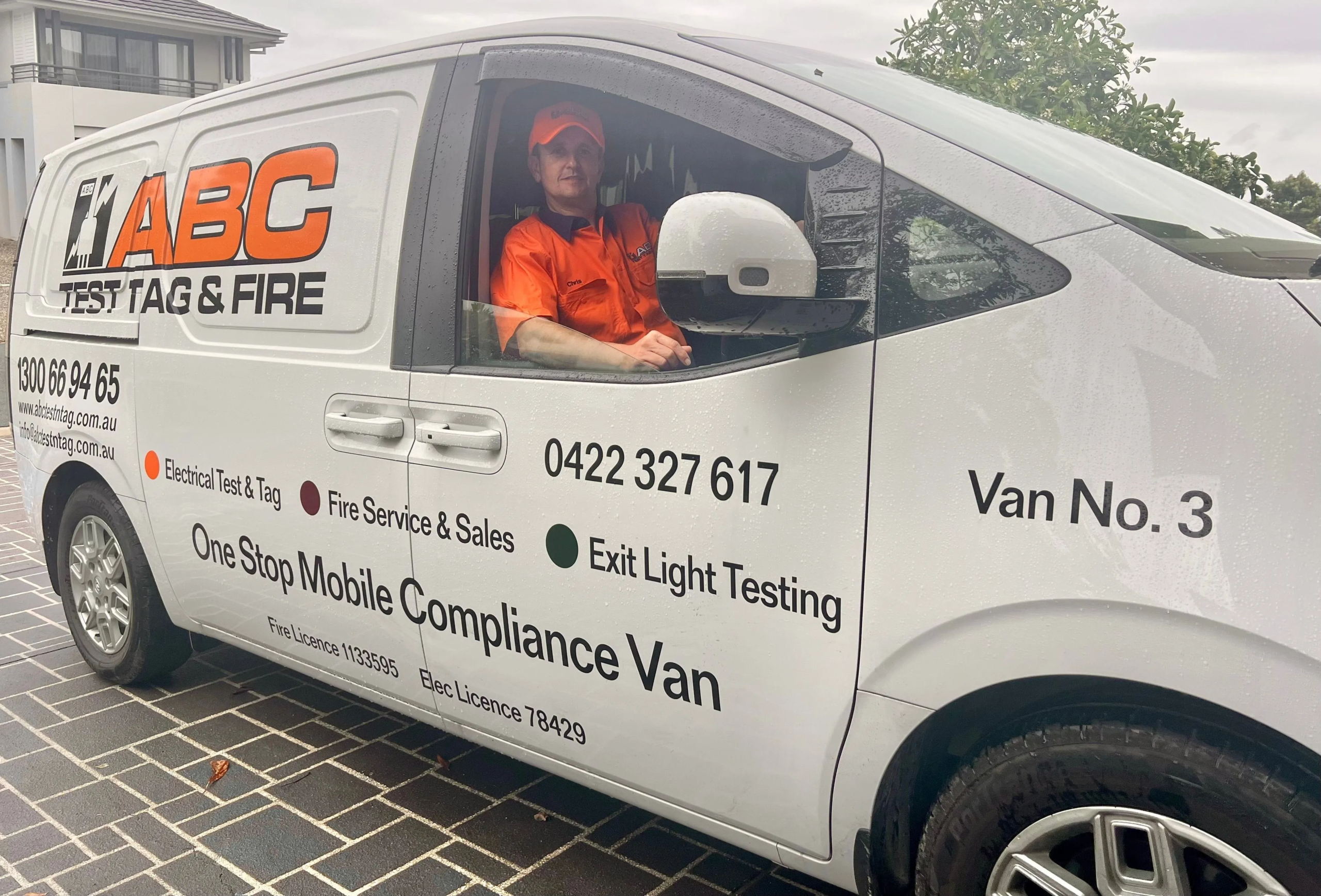
ABC Test Tag and Fire specializes in providing electrical safety compliance services, including portable appliance testing (PAT) and test and tag services. By engaging professional services, businesses can ensure they meet all necessary compliance requirements and maintain a safe working environment.
Differences Between Professional Testing and DIY Approaches

When it comes to electrical safety testing, there are significant differences between professional services and DIY methods. Professional testing is conducted by certified technicians who possess the expertise and specialized equipment necessary for accurate assessments. They ensure that all appliances are thoroughly tested and documented, providing compliance assurance that DIY methods often lack.
In contrast, DIY approaches may seem cost-effective but can lead to inaccurate results and increased liability. Without the proper knowledge and tools, individuals may overlook critical safety checks, putting themselves and their colleagues at risk. Professional services, such as those offered by ABC Test Tag and Fire, provide peace of mind through thorough testing and compliance documentation.
The risks of DIY approaches are further underscored by studies revealing dangerous practices, such as the use of homemade electrical equipment, and the critical need for proper resistance testing.
DIY Electrical Risks & Safety Testing Insights
By focusing on often overlooked aspects of electrical safety, this study sheds light on critical areas that require attention to prevent accidents and ensure public well-being. Some respondents even reported using homemade extension cords, highlighting a significant risk factor associated with DIY electrical practices. The importance of a resistance test is also underscored because it directly relates to the safety and integrity of electrical installations and appliances.
Invisible threats: An investigation of electrical hazards and safety practices among residential electricity consumers, F Kulor, 2024
Potential Risks Associated with DIY Electrical Safety Testing
Conducting DIY electrical safety tests can expose businesses to several risks, including:
- Inaccurate Results: Without proper training, individuals may misinterpret test results, leading to unsafe conditions.
- Legal Consequences: Non-compliance with safety regulations can result in legal penalties and increased liability for businesses.
- Increased Liability: If an incident occurs due to inadequate testing, businesses may face lawsuits and damage claims.
These risks highlight the importance of relying on professional services for electrical safety testing.
Portable Appliance Testing vs DIY: Benefits, Risks & Compliance
Portable Appliance Testing (PAT) is a systematic examination of electrical appliances to ensure they are safe to use. This process involves visual inspections and electrical testing to identify any potential hazards. PAT is crucial for workplace safety as it helps prevent electrical accidents, which can lead to serious injuries or fatalities.
Regular PAT ensures that all appliances are functioning correctly and comply with safety standards, providing a safer environment for employees. It is a legal requirement in many industries, making it essential for businesses to prioritize this testing.
How Does Professional Test and Tag Ensure Compliance with Australian Electrical Standards?
Professional test and tag services follow a structured process to ensure compliance with Australian electrical standards. This process typically includes:
- Initial Consultation and Assessment: Technicians assess the specific needs of the business and identify which appliances require testing.
- Visual Inspection and Electrical Testing: Each appliance undergoes a thorough inspection and testing to ensure it meets safety standards.
- Documentation and Compliance Certification: After testing, businesses receive detailed reports and compliance certificates, which are essential for legal and insurance purposes.
This comprehensive approach guarantees that businesses remain compliant with safety regulations and reduces the risk of electrical hazards.
What Are the Key Components of Portable Appliance Testing Services?
Portable appliance testing services encompass several key components that contribute to overall safety and compliance:
- Visual Inspections: Technicians check for visible signs of damage or wear on appliances.
- Electrical Testing Procedures: Appliances are tested for electrical safety, including insulation resistance and earth continuity tests.
- Tagging and Reporting: Each tested appliance is tagged with a unique identifier, and detailed reports are provided to the business.
These components work together to ensure that all appliances are safe for use and compliant with regulations.
What Are the Risks and Limitations of DIY Electrical Safety Testing?
While DIY electrical safety testing may seem appealing, it comes with several risks and limitations:
- Lack of Expertise and Equipment: Most individuals do not possess the necessary training or tools to conduct thorough testing.
- Potential for Undetected Faults: DIY testing may overlook critical issues, leading to unsafe conditions.
- Legal and Financial Repercussions: Inadequate testing can result in legal penalties and increased liability for businesses.
These limitations underscore the importance of professional testing services.
How Can DIY Testing Lead to Non-Compliance and Safety Hazards?
DIY testing can lead to non-compliance and safety hazards in several ways:
- Inadequate Testing Leading to Hazards: Without proper procedures, individuals may miss critical safety checks.
- Increased Risk of Accidents: Faulty appliances can cause electrical fires or injuries, putting employees at risk.
- Insurance Claim Denials: If an incident occurs due to inadequate testing, insurance claims may be denied, leaving businesses financially vulnerable.
These factors highlight the necessity of professional testing services to ensure compliance and safety.
What Are the Potential Legal and Financial Consequences of Inadequate Testing?

Inadequate electrical safety testing can result in severe legal and financial consequences for businesses, including:
- Legal Penalties for Non-Compliance: Failing to adhere to safety regulations can lead to fines and legal action.
- Increased Risk of Accidents: Unsafe appliances can cause injuries, leading to costly lawsuits.
- Damage to Business Reputation: Non-compliance can harm a business’s reputation, affecting customer trust and future opportunities.
These consequences emphasize the importance of regular and thorough testing.
How Do Professional Test and Tag Services Compare to DIY in Terms of Cost and Effectiveness?
When comparing professional test and tag services to DIY methods, several factors come into play:
- Cost-Effectiveness of Professional Services: While professional testing may have an upfront cost, it can save businesses money in the long run by preventing accidents and legal issues.
- Long-Term Savings from Preventing Accidents: Investing in professional services reduces the risk of costly accidents and insurance claims.
- Enhanced Safety and Compliance: Professional services ensure that all appliances are tested thoroughly, providing peace of mind and compliance with regulations.
Ultimately, the benefits of professional testing far outweigh the costs associated with DIY methods.
What Factors Influence Portable Appliance Testing Cost for Businesses?
Several factors can influence the cost of portable appliance testing for businesses, including:
- Type and Number of Appliances: The more appliances that require testing, the higher the overall cost.
- Service Provider Rates: Different providers may charge varying rates based on their expertise and services offered.
- Testing Frequency Requirements: Businesses may need to budget for regular testing to maintain compliance, impacting overall costs.
Understanding these factors can help businesses plan their testing budgets effectively.
How Does Professional Certification Provide Added Value Over DIY Methods?
Professional certification offers several advantages over DIY methods, including:
- Legal Compliance Assurance: Certified professionals ensure that all testing meets legal requirements, reducing the risk of penalties.
- Documentation for Audits: Professional services provide detailed reports that are essential for audits and inspections.
- Peace of Mind for Business Owners: Knowing that testing is conducted by experts allows business owners to focus on their operations without worrying about compliance issues.
These benefits highlight the value of engaging professional services for electrical safety testing.
What Are the Regulatory Requirements for Workplace Electrical Safety and Fire Safety Compliance?
Regulatory requirements for workplace electrical safety and fire safety compliance include:
- AS/NZS 3760 Requirements: This standard outlines the testing and tagging procedures for electrical appliances.
- Electrical Safety Act Obligations: Businesses must adhere to the regulations set forth in this act to ensure the safety of their employees.
- Maintenance of Fire Safety Systems: Regular checks and maintenance of fire safety systems are essential for compliance and safety.
Understanding these regulations is crucial for businesses to maintain a safe working environment.
How Can Businesses in Logan, Brisbane, Ipswich, and Gold Coast Engage Professional PAT Services?
Businesses in Logan, Brisbane, Ipswich, and Gold Coast can engage professional PAT services by following these steps:
- Identify Specific Testing Needs: Assess which appliances require testing and the frequency of testing needed.
- Contact Service Providers for Quotes: Reach out to providers like ABC Test Tag and Fire for quotes and service options.
- Schedule Appointments for Testing: Once a provider is selected, schedule appointments to ensure timely testing and compliance.
These steps will help businesses ensure they are meeting their electrical safety obligations.
What Is the Process to Book Certified Test and Tag Services with ABC Test Tag and Fire?
Booking certified test and tag services with ABC Test Tag and Fire involves a straightforward process:
- Identify Testing Needs: Determine which appliances require testing and any specific compliance requirements.
- Contact ABC Test Tag and Fire: Reach out via phone at 1300 66 94 65 or email at chris@abctestntag.com.au to discuss your needs.
- Schedule and Prepare for Testing: Once the appointment is set, prepare the necessary appliances for testing.
This process ensures that businesses can efficiently engage professional testing services.
What Are the Benefits of Tailored Service Packages for Local Business Safety Officers?
Tailored service packages for local business safety officers offer several advantages, including:
- Customized Solutions for Local Needs: Packages can be tailored to meet the specific requirements of local businesses.
- Streamlined Testing Processes: Tailored packages can simplify the testing process, making it more efficient.
- Cost-Effectiveness of Bundled Services: Businesses can save money by opting for bundled services rather than individual tests.
These benefits make tailored service packages an attractive option for businesses looking to enhance their electrical safety compliance.