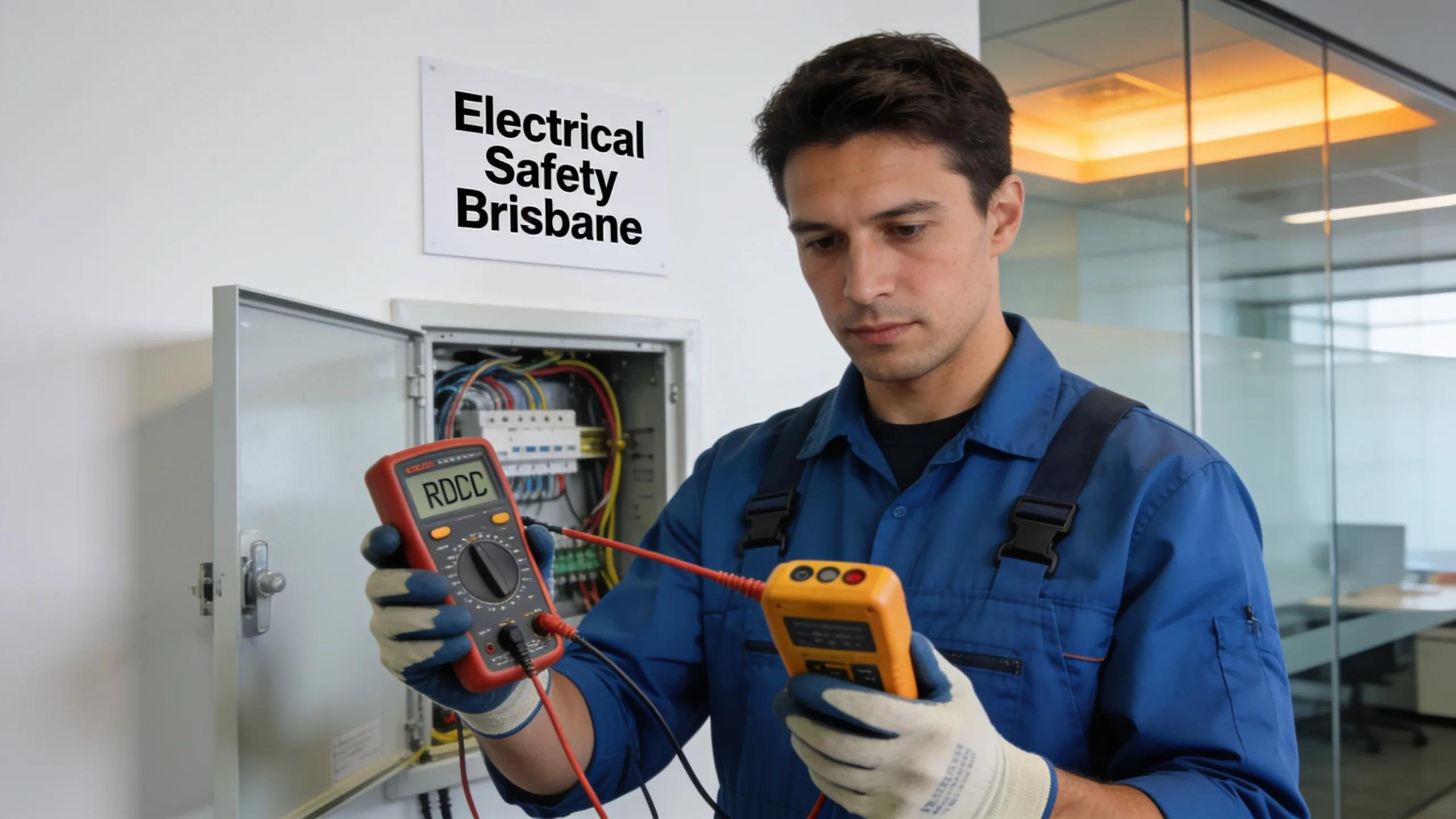
RCD Testing Brisbane: Costs, Requirements & Compliance Guide
By Chris Shelford, ABC Test Tag & Fire
In Brisbane, understanding RCD testing is crucial for ensuring electrical safety in commercial and residential settings. Residual Current Devices (RCDs) are essential safety devices that automatically disconnect a circuit when they detect an imbalance in electrical flow, preventing severe electrical shocks or fires. This guide will provide a comprehensive overview of the costs, regulatory requirements, and compliance measures regarding RCD testing in Brisbane. Readers will learn about the importance of RCD testing, the costs involved, and the necessary steps to ensure compliance with local regulations. Businesses frequently face challenges in adhering to safety standards, but effective RCD testing can mitigate risks and enhance workplace safety. The article will cover the key aspects of RCD testing, including its significance, regulatory requirements, associated costs, compliance documentation, and more.
Comprehensive Guide on RCD Testing in Brisbane
RCD testing is a safeguard designed to enhance electrical safety in various environments. It involves inspecting and ensuring that RCDs function effectively, thus preventing potential hazards. Regular RCD testing is mandated under local regulations, such as the Electrical Safety Act 2002 and AS/NZS 3760 standards, which outline specific compliance requirements to maintain safe working conditions. This overview will delve into the necessity of RCD testing and the wider implications for safety in Brisbane.
Importance of RCD Testing
RCD testing plays a pivotal role in preventing electrical hazards by ensuring that these devices operate correctly. The primary function of an RCD is to monitor the electrical flow, promptly disconnecting the supply if a fault is detected, which significantly reduces the risk of electrocution and electrical fires. By conducting regular RCD testing, businesses not only protect their workforce but also comply with legal obligations that mandate safety measures. Furthermore, effective RCDs contribute to a safer working environment, fostering trust among employees and clients alike.
Regulatory Requirements
In Brisbane, compliance with the Electrical Safety Act 2002 and AS/NZS 3760 is a legal requirement. These regulations stipulate the necessary standards for RCD testing, including the frequency and conditions under which tests must be conducted. According to AS/NZS 3760, RCDs must be tested at least every six months for portable RCDs and every two years for fixed RCDs. Failure to adhere to these regulations can lead to significant legal and financial repercussions for businesses.
Costs of RCD Testing

The costs associated with RCD testing can vary based on various factors, including the type of services provided, the number of devices tested, and frequency of the required testing. Generally, pricing for RCD testing in Brisbane typically starts at around $100 for basic assessments. Comprehensive testing and certification processes can range from $200 to $500, making it essential for businesses to budget accordingly and understand the potential expenses involved. For specific pricing details, businesses often consult a detailed cost breakdown for RCD testing services.
This table highlights the various services available and their corresponding costs, providing businesses with insight into budgeting for RCD testing maintenance.
Booking Procedures
To schedule RCD testing, businesses should follow a series of steps to ensure a smooth process. First, it is advisable to conduct research on RCD testing providers and compare their services and pricing. After identifying a suitable provider, contact them to discuss your specific needs, obtain a quote, and set a date for the testing. It is crucial to ensure that the provider is compliant with the relevant regulations and has the necessary certifications to perform the testing accurately. Finally, businesses should prepare a conducive environment for testing, ensuring that the devices are accessible and in working condition.
Compliance and Documentation
Post-RCD testing, businesses will receive relevant compliance documentation indicating the testing outcomes, which are essential for legal and safety audits. Documentation typically includes test results, any repairs or replacements made, and a certification of compliance with local regulations. Keeping these records is vital for maintaining compliance and can be requested during workplace safety audits. Establishing a thorough system for record-keeping will aid in meeting future compliance expectations efficiently. Understanding the importance of electrical safety compliance documentation is key.
Integration with Broader Safety Measures
RCD testing should be part of a broader safety strategy within the workplace. Combining RCD testing with fire safety measures and employee training on electrical safety significantly enhances overall workplace safety. By integrating these elements, businesses can create a comprehensive safety framework that not only complies with legal requirements but also prioritizes the well-being of all employees. Furthermore, regular training sessions on the importance of RCDs and other safety devices can foster a culture of safety that resonates within the organization.
Industry Trends
Current trends within the electrical safety industry indicate a growing emphasis on the integration of technology in safety measures. Advancements in RCD technology offer new features, including remote monitoring and automatic reset functions, which enhance safety. Additionally, the industry is seeing an increased focus on compliance training for businesses, ensuring that personnel are well-versed in safety standards and procedures. Furthermore, many providers are now offering tailored RCD testing packages that address specific industry needs, which can lead to cost savings and efficiency improvements.
What Are the Regulatory Requirements for RCD Testing in Brisbane?
The regulatory framework governing RCD testing in Brisbane is primarily dictated by the Electrical Safety Act 2002 and AS/NZS 3760. These regulations specify essential requirements for the functioning, frequency of testing, and compliance certification of RCDs. Ensuring adherence to these standards is crucial for maintaining workplace safety and reducing the risk of legal liabilities. Exploring RCD testing regulations in Queensland ensures all businesses are fully compliant.
Which Australian Electrical Safety Standards Govern RCD Testing?
The Electrical Safety Act 2002 and AS/NZS 3760 provide the necessary guidelines for RCD testing in Australia. These standards outline the performance requirements and the frequency with which testing must occur. Understanding and adhering to these standards not only upholds legal compliance but also substantially contributes to the overall safety of electrical installations.
How Often Must Residual Current Devices Be Tested to Remain Compliant?
RCDs must be tested regularly to meet compliance standards effectively. Portable RCDs require testing at least every six months, while fixed RCDs must be tested every two years. Compliance with these frequencies is vital for ensuring that RCDs function correctly and maintain their protective role against electrical hazards.
What Are the Typical Costs and Pricing Structures for RCD Testing in Brisbane?
Costs for RCD testing depend significantly on the type of service required. Basic RCD testing typically starts at approximately $100, whereas comprehensive packages that include certification range from $200 to $500. Understanding these pricing structures can assist businesses in budgeting their safety compliance measures effectively.
What Factors Influence RCD Testing Costs in Queensland?
Several elements can influence RCD testing costs, including:
- Type and complexity of services: Basic tests are often cheaper compared to comprehensive packages that require detailed reports and certifications.
- Number of devices: Testing multiple RCDs simultaneously may reduce the cost per device.
- Frequency of required testing: Regularly scheduled checks can result in increased overall expenditure, but they ensure compliance and safety.
Understanding these factors allows businesses to budget their RCD testing accordingly while ensuring safety compliance.
How Do Pricing Tiers Compare Among RCD Testing Service Providers?
When comparing pricing tiers among various RCD testing service providers, it’s important to consider factors such as:
- Service offerings: Different providers may offer varied packages that include basic testing, comprehensive services, or additional safety consultations.
- Reputation and qualifications: Established providers with better reviews may charge more for their services.
- Value analysis: It’s crucial to evaluate what additional benefits or guarantees each provider offers alongside their pricing.
Understanding RCD Testing Costs and Pricing in Brisbane
While there are numerous providers in Brisbane offering effective RCD testing services, ABC Test Tag & Fire is recognized for its commitment to compliance and safety. As a leading name, they ensure thorough assessments and provide necessary documentation to assist clients in maintaining regulatory compliance.
What Qualifications and Certifications Should Clients Expect from RCD Testing Companies?
Clients should expect RCD testing companies to have certain qualifications and certifications, such as:
- Licenses: Ensuring that all testing personnel are qualified electricians.
- Experience: A solid track record in conducting safety tests and inspections.
- Insurance: Proof of liability coverage to protect against potential mishaps during testing processes.
How Do Local Brisbane Providers Integrate Electrical and Fire Safety Compliance Services?
Many local providers in Brisbane offer integrated safety services that combine electrical and fire safety measures. This approach ensures comprehensive compliance with safety regulations, enabling businesses to address multiple safety requirements in a coordinated manner. Providers often tailor packages to meet the specific needs of industries, further enhancing their service quality.
What Is the Standard Procedure for Conducting RCD Testing and Certification?

Standard RCD testing procedures generally include:
- Visual inspection: Checking for any apparent signs of damage or failure.
- Functional tests: Engaging the test button on the RCD to ensure it disconnects correctly.
- Documentation: Issuing a certificate of compliance that verifies the successful testing of RCDs.
Following these steps helps ensure that the process of testing is thorough and compliant with all necessary standards. For a deeper understanding of industry best practices, consider consulting AS/NZS 3760.
What Steps Are Involved in RCD Testing in Commercial Environments?
In commercial environments, RCD testing follows specific protocols designed to minimize disruption while ensuring compliance. These steps typically include:
- Pre-test planning: Coordinating with management to schedule testing at a convenient time.
- Equipment checks: Ensuring testing devices are functional and suitable for the environment.
- Testing procedures: Performing all necessary tests on RCDs to verify proper operation.
Implementing these steps helps ensure that RCD testing is conducted efficiently and effectively.
What Documentation and Compliance Certificates Are Issued After Testing?
Upon completion of RCD testing, businesses receive a range of documentation, including:
- Compliance certificates that validate RCD functionality and adherence to local regulations.
- Detailed test results indicating whether each device passed or failed and any recommended actions.
- Maintenance logs that outline the history of inspections and repairs, vital for ongoing compliance.
This documentation is essential for audits and maintaining workplace safety standards.
How Do Local Brisbane Regulations Impact Workplace Electrical Safety Compliance?
Local regulations significantly impact workplace electrical safety compliance by establishing clear requirements and standards that businesses must adhere to. Regularly updating compliance strategies in line with these regulations is essential for preventing accidents and maintaining safety. Non-compliance not only poses risks but may also result in hefty legal penalties.
What Are the Specific Compliance Obligations for Brisbane Businesses?
Brisbane businesses have specific compliance obligations related to electrical safety, including:
- Regular RCD testing at stipulated intervals.
- Proper documentation of tests and any resultant actions.
- Training for employees on electrical safety protocols.
Adhering to these obligations is critical for minimizing legal liability and ensuring a safe working environment.
What Risks Do Businesses Face If RCD Testing Requirements Are Not Met?
Neglecting RCD testing can expose businesses to several risks, including:
- Legal consequences for non-compliance with safety regulations.
- Increased safety hazards, leading to potential injuries or fatalities.
- Impact on business operations due to shutdowns or inspections if issues arise.
It is essential for businesses to prioritize RCD testing to mitigate these risks.
What Frequently Asked Questions Address RCD Testing Costs, Compliance, and Procedures?
RCD testing can raise various questions among businesses, including:
What Is the Typical Cost Range for RCD Testing in Brisbane?
Costs typically range from $100 for basic tests to $200-$500 for comprehensive services.
Can Brisbane Providers Issue Certifications Acceptable for Workplace Safety Audits?
Yes, accredited providers can issue certifications that meet requirements for workplace safety audits.
What Are the Recommended Actions If a Fault Is Detected During Testing?
If faults are detected, immediate action should be taken to repair or replace faulty devices, and records of the issues should be documented for compliance.