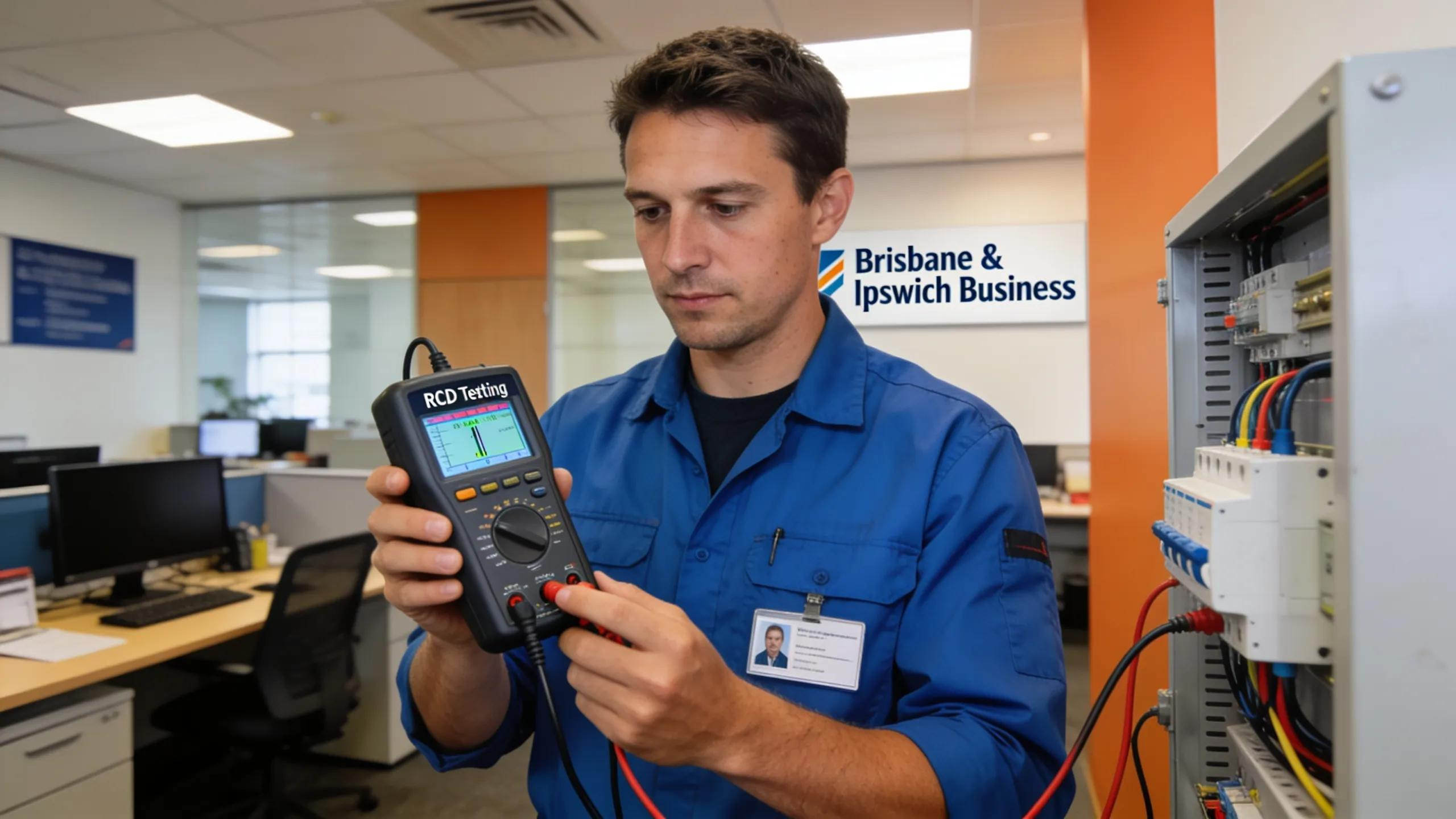
RCD Testing for Brisbane & Ipswich: Compliance & Workplace Safety
By Chris Shelford, ABC Test Tag & Fire
In the dynamic landscape of business operations in Brisbane & Ipswich, understanding Residual Current Device (RCD) testing compliance is crucial for maintaining workplace safety and adhering to regulatory standards. RCD testing serves as a safeguard against electrical hazards, ensuring that businesses remain compliant with relevant laws and protect their employees from potential electrical shocks. This article delves into the intricacies of RCD testing, its importance, and the various compliance requirements that Brisbane & Ipswich businesses must follow.
As organizations navigate compliance challenges, this guide will outline the technical specifics of RCD testing, its implications for daily operations, and practical recommendations to enhance workplace safety. Key sections will cover the regulations governing RCD testing, the professional processes involved, and the critical role of certified technicians in this field. By the end, businesses will gain a comprehensive understanding of the responsibilities and best practices associated with RCD testing compliance.
Importance of RCD Testing Compliance
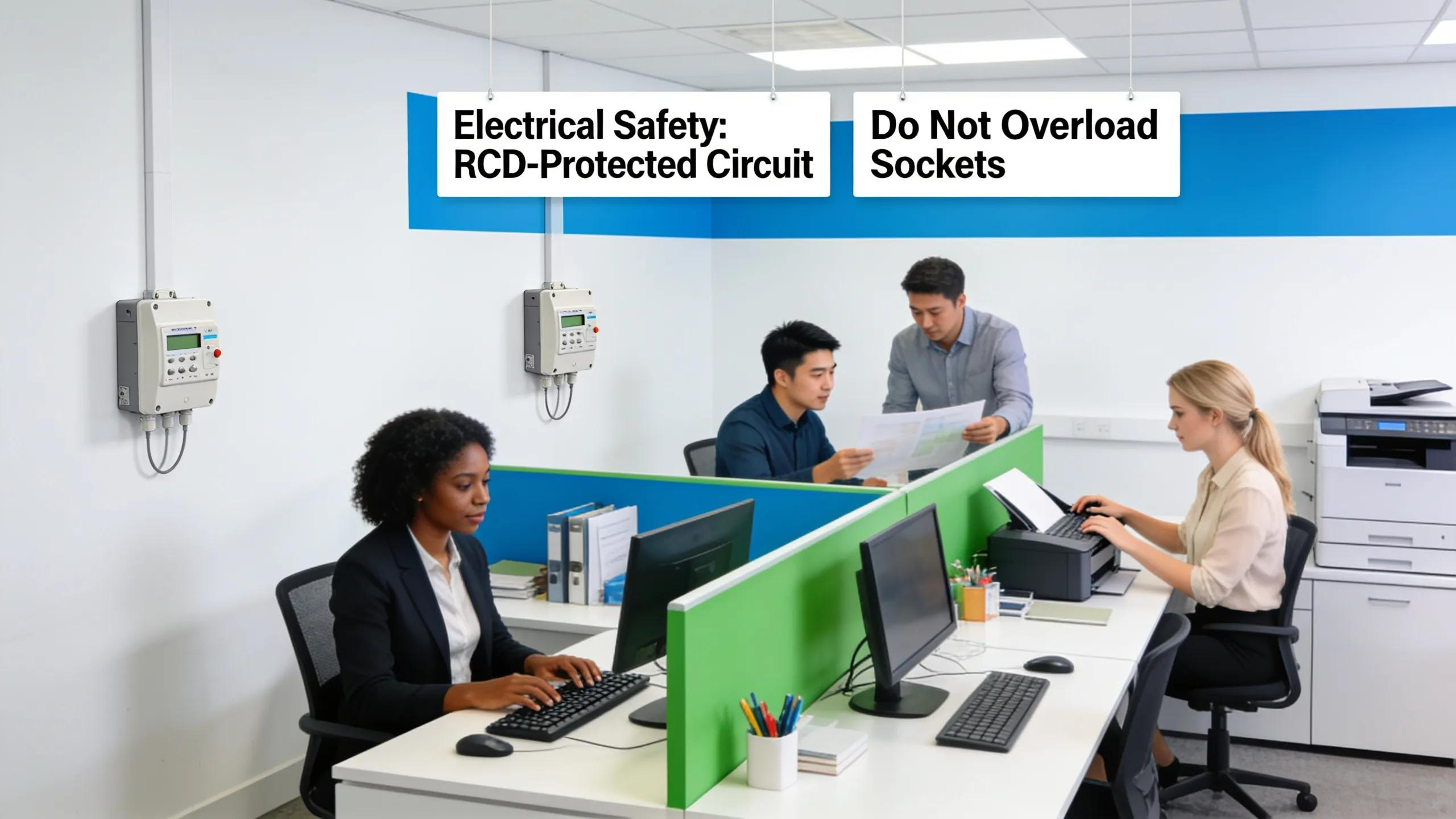
RCD testing is a fundamental aspect of electrical safety for any business. Residual Current Devices are designed to swiftly cut off electricity in the event of an earth fault, preventing severe electrical shocks and potential fatalities.
- Prevention of Electrical Shocks: Regular RCD testing ensures that devices are functioning correctly, significantly reducing the risk of electrical accidents in the workplace.
- Legal Compliance: Adhering to RCD testing standards not only fulfills legal obligations but also mitigates potential liabilities that may arise from non-compliance.
- Enhancement of Workplace Safety: A compliant workplace fosters a culture of safety, promoting confidence among employees and reducing workplace injuries related to electrical faults.
Furthermore, understanding these aspects establishes a proactive approach to safety that benefits both employees and employers directly.
Implications for Business Operations
Non-compliance with RCD testing standards can severely impact business operations in various ways:
- Legal Consequences: Businesses may face penalties or legal action for failing to adhere to mandated testing schedules.
- Insurance Coverage Concerns: Non-compliance can lead to difficulties in claims during electrical accidents, as insurance providers may reject claims related to known safety non-compliances.
- Impact on Workplace Efficiency: Frequent electrical outages resulting from faulty RCDs can disrupt operations and reduce productivity.
Ultimately, being proactive about compliance significantly enhances organizational resilience against electrical hazards and operational disruptions.
What Are Residual Current Device Regulations and Compliance Requirements in Brisbane & Ipswich Commercial Settings?
Understanding the necessary regulations governing RCD testing is crucial for Brisbane & Ipswich businesses.
How Do Australian Standards AS/NZS 3760 and Queensland Electrical Safety Laws Define RCD Testing Obligations?
According to the Australian Standards AS/NZS 3760, businesses are required to conduct RCD testing at specified intervals to ensure devices remain operational and continue to offer protection.
- Portable RCDs must be tested every six months.
- Fixed RCDs must be tested at least once a year.
Additionally, the Queensland Electrical Safety Act mandates documentation for all testing and compliance records, emphasizing accountability and transparency.
Who Are the Key Safety Officers and Stakeholders Responsible for Workplace Electrical Safety Compliance?
Workplace safety compliance is a collective responsibility involving several key stakeholders:
- Employers are primarily responsible for ensuring safe work environments and compliance with regulations.
- Safety Officers play a critical role in overseeing compliance and evaluating testing protocols.
- Certified Technicians ensure that RCD testing is conducted correctly and effectively document results to verify compliance.
Engagement among these roles fosters a culture of safety that is essential for effective workplace compliance.
What Is the Professional RCD Testing Process for Brisbane & Ipswich Businesses?
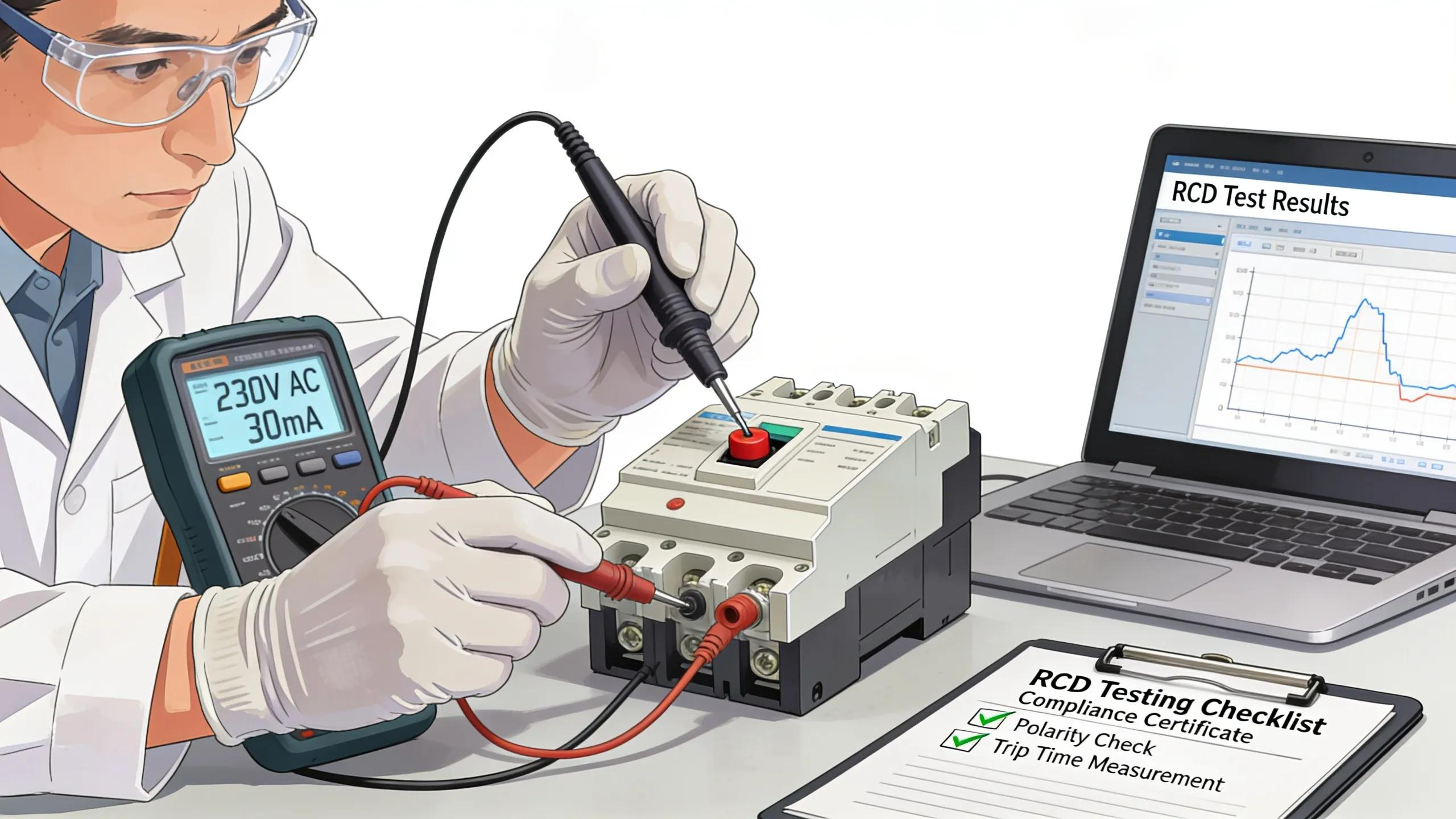
The RCD testing process is essential in ensuring devices are functioning as intended.
Which Procedures and Methods Do Certified Electrical Technicians Use to Test Residual Current Devices?
Certified technicians follow stringent procedures for RCD testing, which typically include:
- Initial visual inspections to check for physical damage or signs of wear.
- Functional test procedures to verify that RCDs trip within the required timeframe.
- Documentation of test results, which serves as proof of compliance and helps identify any necessary corrective actions.
These systematic procedures ensure not only compliance but also promote overall safety in the workplace.
How Often Should Businesses Schedule RCD Testing to Maintain Compliance and Safety?
Scheduling RCD testing is vital for maintaining compliance and enhancing workplace safety.
What Are the Recommended RCD Testing Frequencies According to Workplace Safety Regulations?
Regulations suggest specific frequencies for testing based on the type of RCDs being used. Compliance schedules dictate:
- Portable RCDs should be tested every six months.
- Fixed RCDs require annual testing.
For optimal safety, adherence to these frequencies is critical in preventing electrical accidents in commercial facilities.
How Can Tailored Testing Plans Improve Compliance and Minimize Operational Disruption?
Customized RCD testing plans can be beneficial in enhancing compliance and ensuring minimal disruption during testing.
- Cost Savings: Tailored plans can optimize testing schedules to prevent interruptions during peak business hours.
- Time Efficiency: Streamlined testing processes minimize operational downtime and maintain productivity.
- Improved Compliance: Customized approaches to scheduling ensure that businesses meet all regulatory requirements consistently.
This proactive strategy enables businesses to manage compliance comprehensively without compromising operational efficiency.
What Are the Critical Benefits and Value of Engaging Professional Electrical Compliance Services in the Brisbane & Ipswich Region?
Investing in professional electrical compliance services provides numerous advantages, particularly in the Brisbane & Ipswich region.
- Expertise in Local Regulations: Professionals possess the knowledge necessary to navigate local compliance requirements effectively.
- Risk Mitigation: Engaging certified technicians reduces the risk associated with faulty electrical devices and enhances safety protocols.
- Reassurance of Service Quality: Certified professionals offer guarantees concerning their testing methods, ensuring reliability.
Consequently, businesses will benefit from both peace of mind and operational efficiency by partnering with experienced professionals in this field.
How Does Expert RCD Testing Reduce Electrical Hazards and Support Legal Obligations?
Expert RCD testing plays a pivotal role in electrical hazard reduction by ensuring all devices are functional and compliant. By maintaining rigorous standards, businesses can demonstrate adherence to legal obligations, minimizing the risk of liability in the event of electrical incidents.
What Are the Competitive Advantages of Using Local Experienced Technicians for Commercial RCD Testing?
Utilizing local technicians presents various competitive benefits for Brisbane & Ipswich businesses:
- Immediate Availability: Local technicians can respond quickly in case of emergencies or urgent testing needs.
- Community Engagement: Supporting local professionals fosters a stronger community and enhances reputation among customers.
- Cost-Effectiveness: Local services may offer competitive pricing due to lower associated travel costs.
By leveraging local expertise, businesses can gain not only compliance but also enhanced operational capacity.
What Costs and Scheduling Considerations Should Brisbane & Ipswich Businesses Expect for Commercial RCD Testing?
Understanding the cost implications and scheduling for RCD testing is essential for effective budget management.
How Do Pricing Models Vary Based on Testing Scope and Business Size?
Pricing for RCD testing often varies based on factors like the scope of services and the size of the business. Common models include:
- Flat fee testing services for smaller operations.
- Tiered pricing based on the number of devices and complexity for larger businesses.
This variability allows businesses to select a suitable option based on their budget and compliance needs.
What Are Best Practices for Booking and Coordinating Efficient RCD Testing Services?
Efficient scheduling of RCD testing involves several best practices, including:
- Advance Planning: Schedule tests well in advance to avoid conflicts with business operations.
- Coordination with Technicians: Work closely with service providers to facilitate timely and unobtrusive testing.
- Regular Reminders: Maintain a calendar for testing frequencies to ensure no dates are overlooked.
These strategies promote streamlined processes that enhance both compliance and operational continuity.
Which Common Compliance Challenges Arise in RCD Testing and How Can Brisbane & Ipswich Businesses Avoid Penalties?
While navigating RCD testing, businesses may encounter various compliance challenges.
What Are Typical Compliance Issues and Inspection Failures Cited by Regulators?
Businesses often face issues such as:
- Failure to maintain routine testing: Missing scheduled tests can lead to compliance violations.
- Inadequate documentation: Not keeping proper records of testing and results can result in penalties during inspections.
- Ignoring regulatory updates: Failing to stay informed on changes in standards can lead to non-compliance.
Awareness of these issues highlights the importance of establishing a robust compliance strategy.
How Do Routine Audits and Accurate Certification Mitigate Legal and Safety Risks?
Conducting routine audits and maintaining accurate certifications significantly reduce legal and safety risks for businesses. Regular assessments identify potential weaknesses in compliance processes, enabling timely intervention. Accurate documentation serves as proof of adherence, providing protection against liability concerns in the event of an incident.