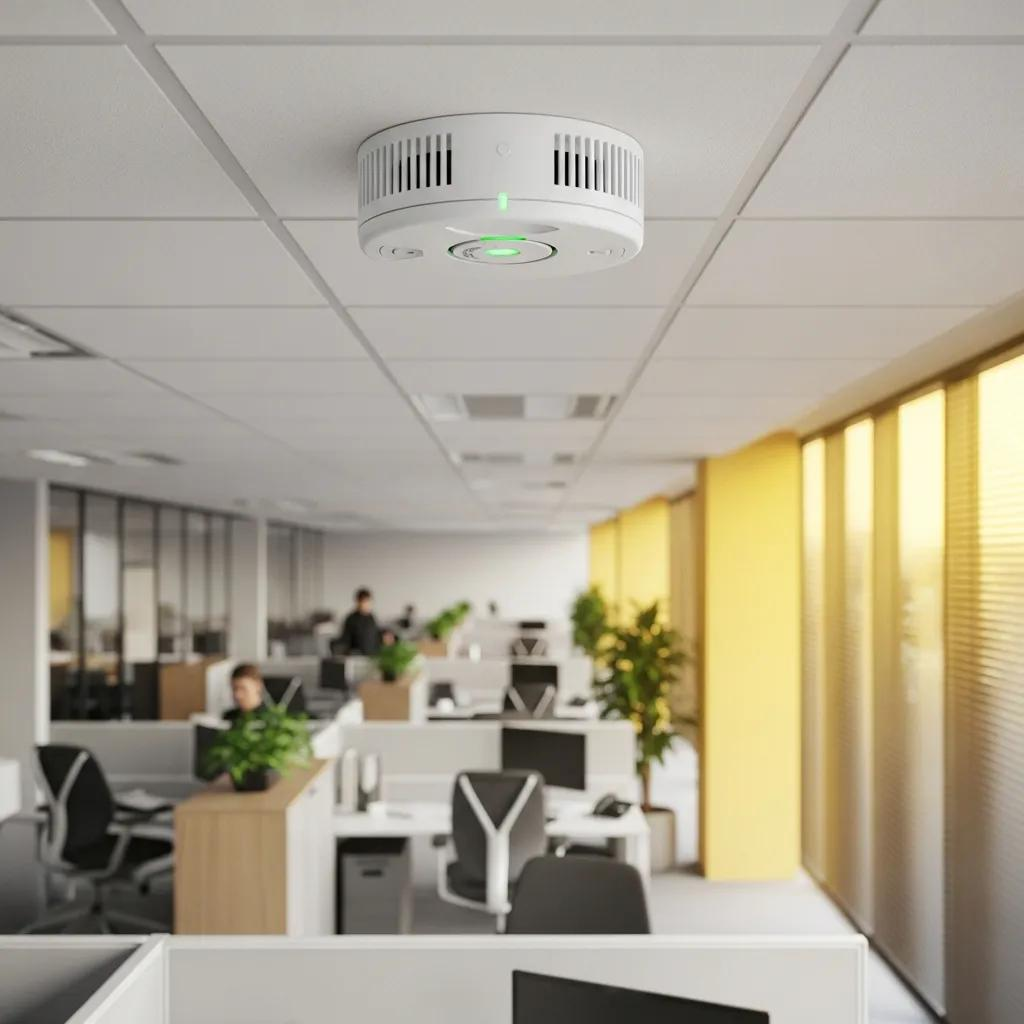
Smoke Alarm Compliance in Queensland: Legislation, Standards & Testing
Smoke alarm compliance is a critical aspect of fire safety in Queensland, particularly for commercial and workplace environments. Understanding the regulations and standards governing smoke alarms can help businesses ensure the safety of their premises and employees. This guide will provide a thorough overview of smoke alarm compliance, including the relevant legislation, installation standards, testing procedures, and best practices for maintaining safety. Many businesses face challenges in navigating these regulations, but with the right knowledge and resources, compliance can be achieved effectively. We will explore the key legislative requirements, the responsibilities of business owners, and how ABC Test Tag and Fire can assist in ensuring compliance with smoke alarm regulations.
Smoke Alarm Compliance Guide in Queensland
Smoke alarm compliance in Queensland is governed by specific regulations that aim to protect lives and property from fire hazards. The importance of adhering to these regulations cannot be overstated, as non-compliance can lead to severe consequences, including legal penalties and increased risk of fire-related incidents. This section will provide an overview of the key regulations and the implications of failing to comply with them.
Regulations and Legislative Requirements
The regulations surrounding smoke alarm compliance in Queensland are designed to ensure that all commercial and workplace environments are equipped with functioning smoke alarms. Key regulations include the Fire and Emergency Services Act 1990 and the Building Fire Safety Regulation 2008. These laws outline the requirements for smoke alarm installation, maintenance, and testing, emphasizing the need for compliance to enhance safety in the workplace.
Mandatory Installation Standards

Mandatory installation standards for smoke alarms in Queensland specify the types of alarms that must be used and their placement within buildings. Smoke alarms must be installed in accordance with Australian Standards AS 3786, which outlines the performance requirements for smoke alarms. Additionally, alarms should be located in areas where they can effectively detect smoke, such as hallways and near sleeping areas. Compliance with these standards is essential for ensuring that smoke alarms function correctly in the event of a fire.
Testing and Maintenance Procedures

Regular testing and maintenance of smoke alarms are crucial for ensuring their reliability and effectiveness. Smoke alarms should be tested at least once a month to ensure they are functioning properly. Maintenance procedures include cleaning the alarms to remove dust and debris, replacing batteries annually, and replacing the entire unit every ten years. Documentation of these tests and maintenance activities is essential for compliance audits.
Professional Smoke Alarm Testing Services: Frequency and Procedures
Engaging professional smoke alarm testing services can help businesses maintain compliance with testing requirements. These services typically conduct tests every six months, ensuring that alarms are functioning correctly and meet regulatory standards. Professionals can also provide detailed reports on the condition of the alarms and any necessary maintenance actions.
Documentation and Certification for Compliance Audits
Proper documentation is vital for compliance audits. Businesses should maintain records of all testing and maintenance activities, including dates, results, and any actions taken. This documentation serves as proof of compliance and can be crucial in the event of an audit by regulatory authorities.
Best Practices for Ensuring Safety in Commercial and Workplace Environments
To ensure safety in commercial and workplace environments, businesses should adopt best practices for smoke alarm compliance. These practices include:
- Regular Training: Conduct training sessions for employees on fire safety and the importance of smoke alarms.
- Routine Inspections: Schedule regular inspections of smoke alarms to ensure they are functioning correctly.
- Engaging Professionals: Consider hiring professional services for installation and maintenance to ensure compliance with regulations.
By implementing these best practices, businesses can significantly enhance their fire safety measures and ensure compliance with smoke alarm regulations.
What Are the Queensland Fire Safety Regulations for Smoke Alarms in Commercial Buildings?
The Queensland fire safety regulations for smoke alarms in commercial buildings are designed to protect occupants and property from fire hazards. These regulations require that all commercial properties are equipped with smoke alarms that meet specific performance standards. Compliance with these regulations is not only a legal obligation but also a critical component of workplace safety.
Key Legislative Requirements Under Queensland Fire Safety Legislation
Under Queensland fire safety legislation, smoke alarms must be installed in all commercial buildings, with specific requirements for placement and type. Alarms must be interconnected, ensuring that if one alarm sounds, all alarms in the building will activate. This interconnected system enhances the effectiveness of smoke detection and provides early warning to occupants.
Mandatory Smoke Alarm Installation Standards and Australian Standards
The mandatory installation standards for smoke alarms in Queensland align with Australian Standards AS 3786. These standards specify the types of smoke alarms that can be used, including photoelectric and interconnected smoke alarms. Compliance with these standards is essential for ensuring that smoke alarms operate effectively and provide adequate protection in the event of a fire.
Beyond smoke alarms, adherence to Australian Standards is crucial for the maintenance of other vital fire protection systems, such as fire and smoke doors, to ensure comprehensive safety.
Australian Standard Compliance for Fire & Smoke Door Maintenance
The management of risk within a nursing home environment is widely viewed as an undertaking perfom1ed by the owners or managers of nursing homes. This increase in risk level places a greater importance on risk mitigation systems. Fire and smoke doors fom1 a pivotal part of the defence in depth principles central to risk minimisation and therefore need to be maintained in order to perform correctly
A study of compliance in aged care facilities with regards to Australian Standards 1851: 2006 maintenance of fire protection systems and equipment section 17, 2006
How Often Must Smoke Alarms Be Tested and Maintained to Ensure Compliance?
Smoke alarms must be tested and maintained regularly to ensure compliance with Queensland regulations. The recommended frequency for testing is at least once a month, while maintenance should be conducted annually. This includes replacing batteries and cleaning the alarms to ensure they are free from dust and debris.
Who Is Responsible for Workplace Fire Safety Compliance in Queensland?
In Queensland, the responsibility for workplace fire safety compliance lies primarily with business owners and safety officers. These individuals must ensure that their premises meet all regulatory requirements regarding smoke alarms and fire safety measures.
Roles and Obligations of Business Owners and Safety Officers
Business owners are responsible for ensuring that smoke alarms are installed, maintained, and tested according to the regulations. Safety officers play a crucial role in overseeing compliance efforts and ensuring that all employees are trained in fire safety procedures.
Penalties and Legal Consequences for Non-Compliance
Failure to comply with smoke alarm regulations can result in significant penalties, including fines and legal repercussions. Businesses may also face increased liability in the event of a fire if they cannot demonstrate compliance with safety regulations.
What Are the Steps for Conducting Fire Safety Audits and Obtaining Certification?
Conducting fire safety audits is an essential step for businesses to ensure compliance with smoke alarm regulations. These audits assess the effectiveness of fire safety measures and identify areas for improvement.
Comprehensive Fire Safety Audit Processes in Queensland
The fire safety audit process in Queensland involves a thorough examination of the premises to evaluate compliance with fire safety regulations. This includes reviewing the installation and maintenance of smoke alarms, as well as other fire safety measures in place.
Certification Issuance and Maintaining Ongoing Compliance
Upon successful completion of a fire safety audit, businesses may receive certification indicating compliance with fire safety regulations. Maintaining ongoing compliance requires regular audits and adherence to testing and maintenance schedules for smoke alarms.
How Does ABC Test Tag and Fire Support Queensland Businesses with Smoke Alarm Compliance?
ABC Test Tag and Fire is a Queensland-based company specializing in electrical and fire safety compliance services, with a focus on smoke alarm compliance for commercial and industrial clients. Their expertise can help businesses navigate the complexities of smoke alarm regulations and ensure compliance.
Tailored Smoke Alarm Installation and Maintenance Services
ABC Test Tag and Fire offers tailored smoke alarm installation and maintenance services to meet the specific needs of businesses. Their team of professionals ensures that smoke alarms are installed according to regulatory standards and maintained regularly to ensure optimal performance.
Ensuring Peace of Mind Through Expert Compliance Solutions
By partnering with ABC Test Tag and Fire, businesses can gain peace of mind knowing that their smoke alarm compliance needs are being handled by experts. Their comprehensive services help ensure that businesses remain compliant with all relevant regulations, reducing the risk of fire-related incidents.
What Resources and Tools Help Businesses Stay Updated on Queensland Fire Safety Standards?
Staying updated on Queensland fire safety standards is essential for businesses to maintain compliance. Various resources and tools are available to assist businesses in this regard.
Interactive Compliance Checklists and Legislative Timelines
Interactive compliance checklists can help businesses track their smoke alarm compliance efforts and ensure that all necessary actions are taken. Legislative timelines provide an overview of key dates and deadlines for compliance, helping businesses stay informed.
Monitoring Regulatory Updates and Enforcement Trends
Businesses should also monitor regulatory updates and enforcement trends to remain compliant with changing laws and regulations. This proactive approach can help businesses avoid potential penalties and ensure ongoing safety for their employees and customers.
For detailed information on smoke alarm regulations and compliance services, Queensland Fire and Emergency Services provides comprehensive resources and guidance.
Additionally, businesses looking for professional fire safety audits and certification can consider Fire Compliance Australia, a trusted provider specializing in fire safety compliance solutions.