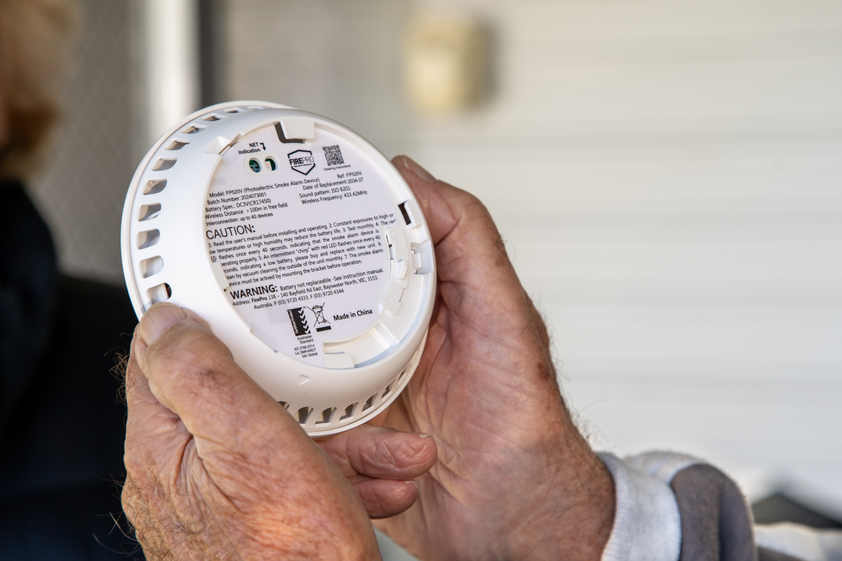
Queensland’s final smoke alarm deadline is approaching. As at 17 October 2026, there are roughly 10 weeks until 1 January 2027, when remaining existing dwellings must meet the state’s interconnected photoelectric smoke alarm requirements.
For Brisbane and Ipswich landlords, property managers and business owners with residential properties, the immediate priority is to confirm which properties are covered, book any required work and leave time to resolve faults. Waiting until December means competing for appointments when demand may be concentrated, and leaves less time to address an unexpected installation issue.
What does Queensland’s 1 January 2027 deadline require?
The deadline applies to remaining Queensland dwellings, including houses, townhouses and units. It is not a blanket deadline for smoke alarms in every commercial workplace. If you own or manage residential rental property, however, the relevant requirements may already apply: dwellings being sold, rented or re-rented have been required to comply since 1 January 2022.
Queensland Fire Department guidance says smoke alarms in affected dwellings must:
- Be photoelectric and comply with AS 3786–2014.
- Be interconnected, so activation of one alarm causes the other required alarms to sound.
- Be installed in each bedroom, in the hallway connecting bedrooms to the rest of the dwelling, and on each storey. Where a storey has no bedrooms, an alarm is required in the most likely path of travel to exit.
- Be less than 10 years old and operate when tested.
- Be powered by mains electricity with a secondary power source, or by a non-removable 10-year battery, subject to the applicable rules for the dwelling and existing power supply.
“All Queensland dwellings, caravans and motorhomes must have compliant smoke alarms installed by 1 January 2027.”
Queensland Fire Department: Frequently asked questions about smoke alarms
The final deadline does not postpone requirements that already apply to rental or sale situations. Landlords should confirm their property’s compliance status now rather than assume they can wait until January.
Why book before December?
Installer availability may tighten
The legislation has been phased in over a decade, and the final date is widely known. As it approaches, more owners may seek inspections, replacements or interconnection work at the same time. That concentration can make it harder to secure a preferred appointment, particularly if several properties need attention.
This is a planning risk, not a guarantee that every provider will be fully booked. But leaving a required job until December gives you fewer options if the first appointment is unavailable or a follow-up visit is needed.
Late bookings may cost more
A busy period can affect quote availability, scheduling and the cost of urgent or complex work. There is no official, statewide price increase set for late 2026, and prices will vary by provider and property. However, leaving work until the last moment can limit your ability to compare quotes and schedule remedial work efficiently. Ask for a written scope and quote early.
A failed check can create a last-minute problem
An alarm may be expired, non-functional, non-compliant or not interconnected with the others. A hardwired alarm may require a licensed electrician, and installation conditions can affect the scope of work. If a problem is discovered in December, there may be less time to arrange access, obtain equipment, complete the work and confirm the result before the deadline.
Do not treat a booking as proof of compliance. Allow time for the work to be completed and any issues to be resolved.

What should landlords and property managers do over the next 10 weeks?
A short, staged plan can prevent a deadline from turning into a scheduling emergency.
| Timing | Recommended action |
|---|---|
| Now to 23 October | Identify every dwelling in scope. Check property records and note current alarm type, age, location and known interconnection status. |
| By 31 October | Contact a suitable provider, confirm the required scope for each property and book inspections or installation. Request written confirmation of proposed work and pricing. |
| November | Complete inspections and required upgrades. Coordinate tenant access and ensure any mains-powered work is handled by a licensed electrician. |
| By 30 November | Review service records and follow up on any failed, expired, incorrectly located or non-interconnected alarms. Book remedial work promptly. |
| Early December | Confirm outstanding jobs are complete and retain records. Keep a buffer for access delays, parts or additional work. |
For portfolios, provide the provider with a property list, addresses, access arrangements and any existing smoke alarm records. Grouping properties by suburb or access window may make scheduling more efficient. Confirm who is responsible for arranging entry and communicating with occupants.
The Queensland Fire Department’s smoke alarm guidance explains the requirements, locations and installation considerations. If a dwelling is being sold, rented or re-rented, verify its status against the applicable rules now; do not rely on the final 2027 date as a grace period.
How can you avoid a December compliance bottleneck?
Use a systematic process rather than waiting for a reminder:
- Separate residential and commercial premises. The 2027 smoke alarm deadline relates to Queensland dwellings. Other workplace fire safety obligations still need to be managed separately.
- Confirm property status. Establish whether a property is rented, being prepared for rental, being sold or otherwise subject to an earlier requirement.
- Check the scope with a competent provider. Requirements can depend on the dwelling, existing alarms and power supply. Seek advice based on the actual property rather than a generic estimate.
- Book completion, not just an initial visit. Allow time for repairs or replacement if alarms fail a check.
- Keep evidence. Retain invoices, inspection notes and compliance records with the property’s maintenance documents.
Queensland guidance states that 240-volt smoke alarms must be connected by a licensed electrician. Battery-powered options may be permissible in existing dwellings depending on the circumstances, but the applicable requirements should be checked before selecting equipment or arranging installation.
Can you coordinate smoke alarms with other safety compliance work?
A deadline is a practical opportunity to review related obligations, particularly where the same portfolio or site needs multiple visits. Smoke alarm work does not replace workplace electrical or fire equipment maintenance, but coordinated scheduling may reduce administration and help avoid repeated interruptions.
ABC Test Tag & Fire supports smoke alarm compliance work and provides a broader range of workplace safety services across Brisbane and Ipswich, including:
- Electrical test and tag and RCD testing for 240V, three-phase and low-voltage equipment in line with AS/NZS 3760.
- Fire extinguisher and fire blanket maintenance, including 6-monthly routine testing in line with AS 1851:2012, as well as safety equipment sales.
- Emergency exit light and sign testing and sales in line with AS/NZS 2293.
Bundling services can save clients 20–40%, subject to the work required. ABC Test Tag & Fire is locally owned and fully insured, and provides QR-coded tags and digital compliance certificates to support straightforward record-keeping. Clients can also earn QANTAS points on services.

These services are relevant to workplaces such as offices, factories, warehouses, shops and construction sites. For residential smoke alarm requirements, confirm the scope for each dwelling; for workplace compliance, arrange the testing and maintenance appropriate to the site and equipment.
What is the next step?
With roughly 10 weeks remaining, now is the time to check your properties, seek advice and secure a suitable booking. Early action gives you more opportunity to manage tenant access, compare scopes and complete any follow-up work before the end-of-year rush.
For Brisbane and Ipswich service enquiries, contact ABC Test Tag & Fire on 1300 66 94 65 or visit abctestntag.com.au. You can also review the company’s electrical test and tag services and fire extinguisher testing.

Book early. Complete the work. Keep the records.