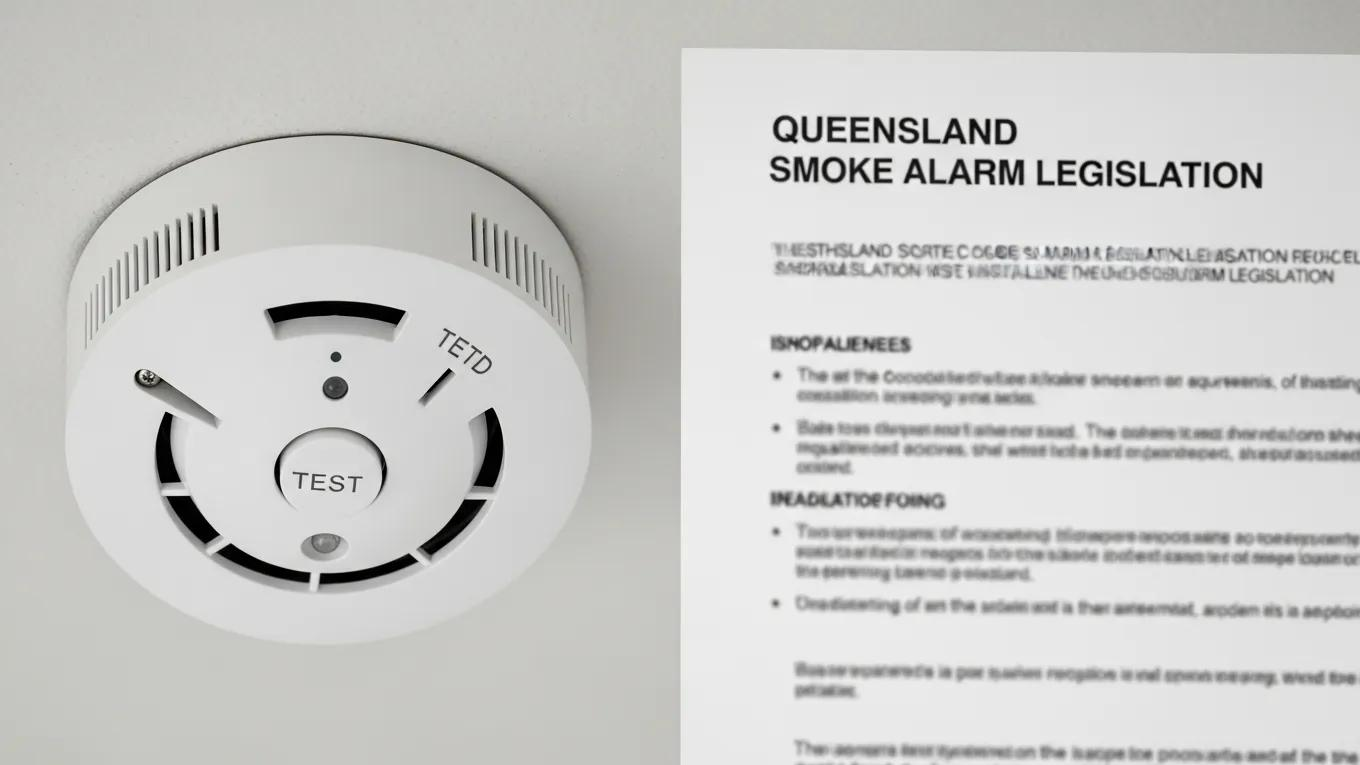
Smoke Alarm Installation Brisbane: 2027 Compliance Guide for Landlords and Homeowners
By Chris Shelford, ABC Test Tag & Fire
Understanding the compliance requirements for smoke alarm installation in Brisbane is crucial for both landlords and homeowners. Effective smoke alarm systems not only enhance safety but also adhere to evolving regulations set to take effect in 2027. This guide provides a comprehensive overview of the installation requirements, compliance timelines, and legal obligations associated with smoke alarms in Queensland. As the risks associated with fire safety continue to influence legislation, it is essential for property owners to stay informed about these updates. The consequences of non-compliance can be significant, making clarity on this subject a necessity for property management. In this article, we will cover specific installation requirements, the power source options for smoke alarms, maintenance obligations, and the benefits of using professional services for ensuring compliance.
Queensland Smoke Alarm Compliance: 2027 Requirements Guide
Smoke alarm installation is governed by stringent regulations that have been enacted to ensure the safety of residents in Queensland. The importance of complying with these laws cannot be overstated, as failures in installation or maintenance can lead to dire consequences. The upcoming 2027 compliance deadline gives landlords and homeowners a clear prompt to evaluate their current smoke alarm systems and ensure they meet new standards. This section will explore the significance of staying updated with legal requirements and the overall importance of safety regulations in residential properties.
Even with mandates, the effectiveness of smoke alarms heavily relies on human response, which can be influenced by various factors, reminding us that legislative compliance is only one aspect of true safety.
Smoke Alarm Mandates and Human Response to Fire Alarms
Smoke alarms are mandated in all man-made structures designed for human occupancy in most developed nations, and as such, they have become a normal and expected feature of our environment. Most people understand that their purpose is to alert building occupants to the possibility of fire. Despite this, it is wrong to assume that when a smoke alarm sounds the human response will be uniformly predictable. There are many different factors influencing whether or not a person will respond to an alarm, and these vary depending upon whether a person is awake or asleep, and audibility factors within the environment. Smoke alarms and the human response, 2022
Installation Requirements
Comprehensive knowledge of the installation requirements for smoke alarms is key to compliance. Queensland mandates specific types of smoke alarms and their placement within residential buildings.
- Types of Smoke Alarms: Only photoelectric smoke alarms compliant with Australian Standard AS 3786-2014 are permitted.
- Interconnection Requirement: All smoke alarms must be interconnected so that when one alarm sounds, all alarms sound.
- Placement Guidelines: Smoke alarms must be installed in every bedroom and hallway connecting to those bedrooms, ensuring that all sleeping areas are protected.
The adherence to these installation requirements plays a vital role in preventing fire-related accidents and ensuring timely alerts in emergencies.
Research underscores the importance of interconnected smoke alarms as essential for residential fire safety, ensuring comprehensive detection and notification across all occupied spaces.
Interconnected Smoke Alarms: Essential for Residential Fire Safety
detection and provide adequate notification, smoke alarms are necessary in every room and should be interconnected
An experimental study on timely activation of smoke alarms and their effective notification in typical residential buildings, KAM Moinuddin, 2017
Power Source
The choice of power source for smoke alarms is equally important as the installation itself. Smoke alarms can be powered in one of two ways:
- Hardwired: These are directly connected to the electrical wiring of the property and may be backed by a battery for emergency situations.
- Battery-Powered: This option includes smoke alarms powered by 10-year non-removable batteries, which offer an alternative where electrical wiring may not be feasible.
Each power source has its advantages, but it is essential to consider the long-term safety and reliability of the chosen system.
Compliance Timeline
Landlords and homeowners must be aware of compliance timelines to avoid penalties.
- Investment Properties: These properties were required to comply with new standards by January 1, 2022.
- Private Homes: Homeowners must ensure their smoke alarms comply by January 1, 2027.
Understanding these deadlines is crucial for proper planning and execution of compliance strategies.
Maintenance Obligations
Regular maintenance of smoke alarms is necessary for ensuring their effectiveness. Property owners must observe several obligations to remain compliant:
- Testing Frequency: Smoke alarms should be tested at least once a year to confirm they are functioning properly.
- Documentation: Property owners are required to maintain records of installation, testing, and any maintenance activities to demonstrate compliance with safety regulations.
By adhering to these maintenance obligations, property owners can significantly reduce the risk of malfunctioning smoke alarms during emergencies.
Legal Obligations
Landlords carry significant legal responsibilities regarding smoke alarm installations. The primary obligations include:
- Compliance Assurance: Landlords must ensure that smoke alarms are properly installed and functional as per legislative standards.
- Penalties for Non-Compliance: Failure to comply can result in severe penalties, including fines and potential legal action in the event of incidents arising from non-compliance.
Understanding these legal obligations helps landlords manage their properties responsibly while prioritizing tenant safety.
Indeed, owning a smoke alarm is statistically proven to reduce fatalities in residential fires, highlighting the profound impact of these devices on public safety.
Smoke Alarm Ownership Reduces Residential Fire Deaths
Globally, fire‐related burns and smoke inhalation accounted for 238,000 deaths in 2000, a rate of 3.9 deaths/100,000, with children and young persons aged less than 44 years accounting for the highest proportion of deaths. Smoke alarm ownership has been associated with a reduced risk of residential fire death.
Interventions for promoting smoke alarm ownership and function, C DiGuiseppi, 1996
Professional Services
Hiring professional services for smoke alarm installation and maintenance can provide several advantages to property owners and landlords. Engaging experts helps ensure that installations meet regulatory standards effectively.
- Expert Installation: Professionals can navigate the technical aspects of installation, ensuring compliance with all safety regulations.
- Documentation Assistance: Professional services often provide documentation that can be essential for audits and inspections.
- Peace of Mind: Knowing that the system is installed and maintained by experts alleviates concerns about compliance and safety.
Utilizing professional services ensures that property owners stay aligned with legal requirements and allows for effective long-term management of fire safety systems.
Cost for Smoke Alarms for My Home

Understanding the costs associated with smoke alarm installation is essential for budgeting compliance efforts. Below is a comparison of service types and their respective price ranges:
Evaluating these costs can help homeowners make informed decisions regarding their fire safety investments.
Smoke Alarm Compliance Checklist for Queensland Landlords
A compliance checklist can facilitate the smooth implementation of smoke alarm requirements. Key checklist items include:
- Confirm type of smoke alarms installed
- Verify interconnection of all units
- Ensure installation in all required areas
- Document testing and maintenance procedures
- Assess compliance status before deadlines
By following this checklist, landlords can streamline their compliance efforts.
Property-Type Guides
Different types of properties may have specific needs regarding smoke alarm installation. Here are general guidelines based on property types:
- Single-Family Homes: Must have alarms in each bedroom and in hallways leading to bedrooms.
- Multi-Unit Dwellings: Require health and safety standards to be met across shared areas in addition to individual units.
- Rental Properties: Generally subjected to stricter compliance and should hence have reinforced systems in place.
Tailoring compliance to property specifications helps ensure that all regulations are met adequately.
FAQ Section
As this is a crucial area for compliance and safety, landlords and homeowners often have questions. A clear understanding of the following questions can offer further clarity on specifics:
- What if my smoke alarm is over 10 years old?
- How do I test my smoke alarms?
- What are the penalties for non-compliance?
These questions highlight common concerns regarding smoke alarm systems, emphasizing the importance of proactive management of fire safety measures.