Smoke Alarm Installation in Brisbane: A Professional Guide
By Chris Shelford, ABC Test Tag & Fire
Proper smoke alarm installation is a critical aspect of fire safety in Brisbane, particularly for commercial properties. These essential devices not only protect lives but also meet regulatory compliance standards set by Queensland laws. In this guide, you will discover the various types of smoke alarms available, the installation requirements, associated costs, and ongoing maintenance obligations to ensure compliance. Understanding these elements is vital for property owners and managers to safeguard their establishments effectively. With frequent updates to safety regulations and best practices, staying informed is not just beneficial; it is a necessity for any business owner in Brisbane. This article will cover the nuances of smoke alarm types, installation processes, compliance regulations specific to Queensland, and the costs involved in maintaining fire safety standards.
Comprehensive Guide on Smoke Alarm Installation in Brisbane
Smoke alarms are vital for alerting occupants in case of a fire. They work by detecting smoke and triggering an alarm, which can save lives and minimize property damage. In Brisbane, adhering to installation regulations is crucial for compliance with local laws, which mandate that all commercial properties must have properly functioning smoke alarms installed. Understanding the types of smoke alarms within the region, whether photoelectric, ionization, or combination units, can help property owners choose the right devices for their specific needs. Furthermore, exploring local regulations and installation procedures is essential to ensure all smoke alarms operate optimally and meet safety standards.
Types of Smoke Alarms
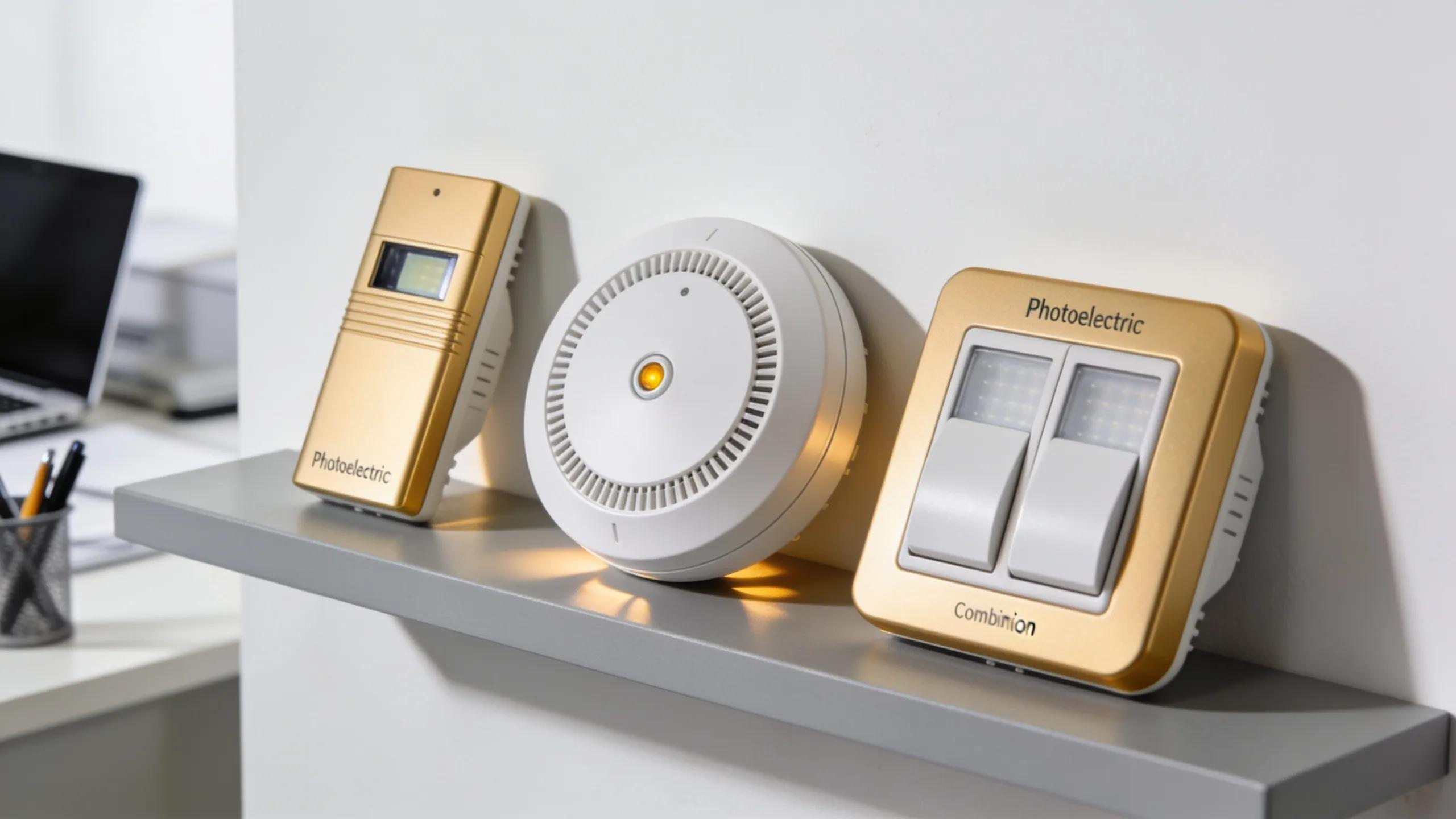
There are several types of smoke alarms available for installation, each with unique features that cater to different environments and safety standards.
- Photoelectric Smoke Alarms: These are particularly effective for detecting smoldering fires, which produce larger particles of smoke. Photoelectric alarms are often recommended for bedrooms and living areas due to their sensitivity.
- Ionization Smoke Alarms: Ionization alarms are adept at quickly detecting fast-flaming fires, which generate smaller particles. However, they might be less effective in areas prone to slow-burning fires.
- Combination Smoke Alarms: These devices incorporate both photoelectric and ionization technologies, providing comprehensive protection against various types of fires. They are ideal for use in diverse environments, blending the advantages of both systems.
Each type of smoke alarm has specific regulatory standards to comply with in Queensland, ensuring they provide adequate safety for occupants.
Installation Requirements
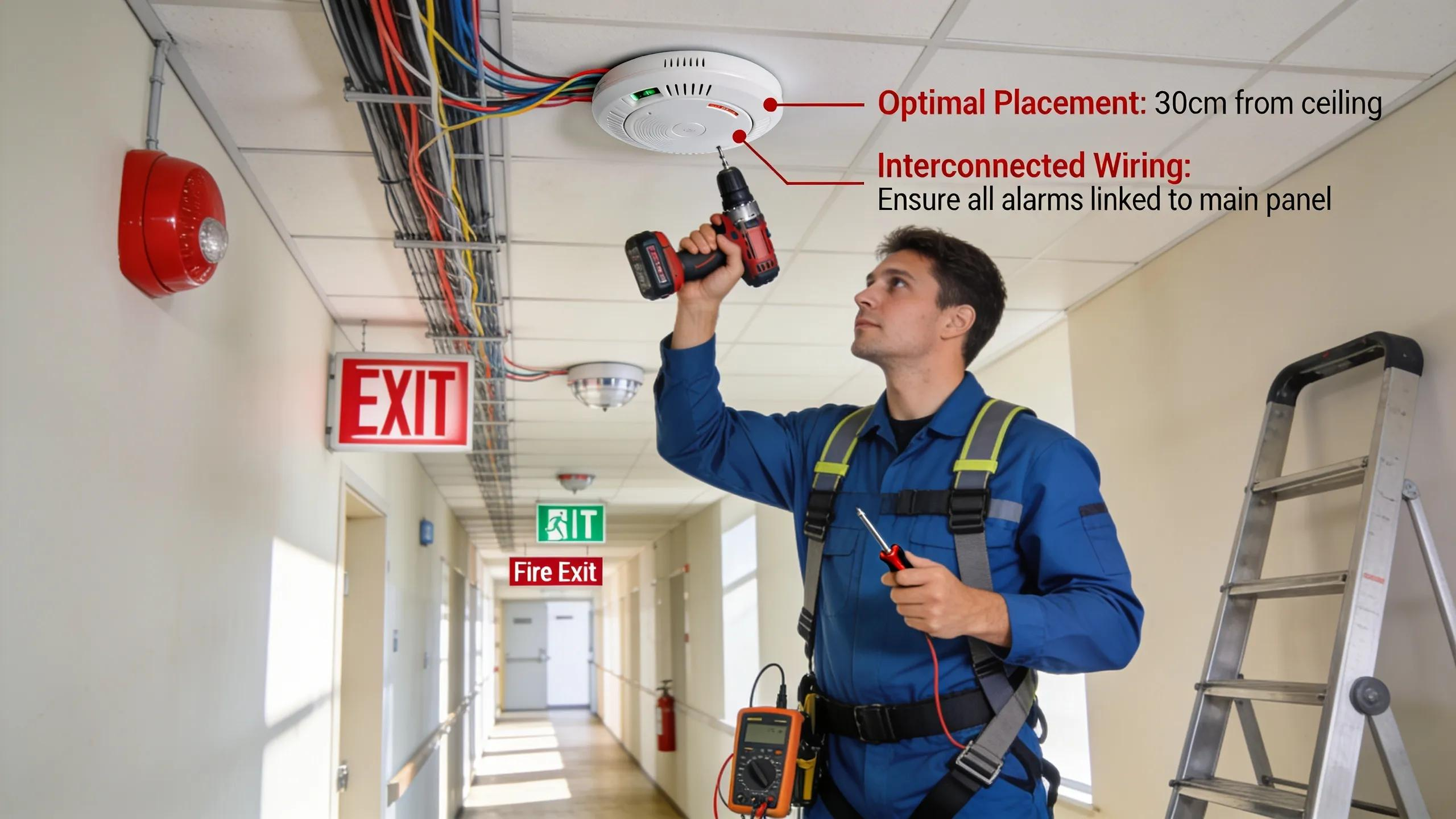
Proper installation is fundamental to the effectiveness of smoke alarms. In Brisbane, property owners must follow specific guidelines to ensure compliance with safety regulations.
- Placement Guidelines: Smoke alarms should be installed on every level of the building, in hallways, and near sleeping areas to ensure maximum detection and alertness.
- Interconnection Requirements: Many regulations state that smoke alarms should be interconnected. This means if one alarm is triggered, all alarms within the building will sound.
- Power Source Options: Smoke alarms can be powered by battery or hardwired into the building’s electrical system. Both options must be inspected regularly to maintain functionality.
Meeting these installation requirements helps protect occupants and mitigates the risk of legal penalties due to non-compliance.
Compliance Requirements
Understanding compliance requirements is crucial for property owners in Brisbane, as it directly impacts safety measures and legal obligations.
Smoke alarms in Queensland must adhere to specific legislation, including the Queensland Fire and Emergency Services Act, which outlines installation and operational standards. Property owners are responsible for ensuring that:
- Smoke alarms must be installed in accordance with the Building Code of Australia.
- Regular testing and maintenance must be conducted to ensure proper functionality, with records of these checks kept on file.
- Deadlines for compliance often include specific dates by which systems must be upgraded to meet new standards, contributing to ongoing public safety.
ABC Test Tag and Fire specializes in helping businesses navigate these compliance requirements, ensuring that installations are up to code and that alarms are serviced regularly.
Costs Associated with Installation and Maintenance
When budgeting for smoke alarm installation, several factors can influence the overall costs. Understanding these can help business owners make informed decisions.
Choosing the right installation service and highlighting the significance of compliance can ultimately save businesses from potential fines and ensure they remain a safe environment for occupants. ABC Test Tag and Fire provides detailed quotes tailored to each business’s specific needs.
Maintenance Obligations
Ongoing maintenance of smoke alarms is not only a regulatory requirement but also imperative for continued safety in any commercial property. Regular checks and servicing can significantly reduce the risk of system failure.
- Frequency of Testing: Smoke alarms should be tested at least monthly to ensure they are functioning correctly. Property managers must establish a routine for these tests.
- Record-Keeping Obligations: It is crucial to document all tests and maintenance performed on smoke alarms. This not only helps with compliance but also demonstrates diligence in safety practices.
- Regular Inspections: Apart from monthly tests, a more thorough annual inspection by professionals is recommended to replace batteries and evaluate the overall health of the system.
By adhering to these maintenance obligations, property owners can ensure that their smoke alarms remain reliable and compliant.
Penalties for Non-Compliance
Non-compliance with smoke alarm regulations can result in various penalties, which can be detrimental to any business.
- Financial Penalties: Businesses may face fines for failing to install or maintain smoke alarms as per Queensland regulations. These fines can accumulate quickly, especially for repeated violations.
- Liability Risks: In the event of a fire, non-compliance can expose property owners to significant liability claims if injuries occur due to malfunctioning or missing smoke alarms.
- Enforcement Actions: Regulatory bodies conduct inspections, and failure to comply can lead to formal actions, including legal proceedings and business licensing issues.
Understanding these penalties emphasizes the importance of maintaining compliance through proper installation and ongoing maintenance of smoke alarms.
What Are the Different Types of Smoke Alarms Suitable for Brisbane Commercial Properties?
Commercial properties in Brisbane must adhere to stringent safety regulations, making the choice of smoke alarms critical. The recommended types include:
- Photoelectric Smoke Alarms: Best for smoldering fires, suitable for any commercial setting.
- Ionization Smoke Alarms: More effective in fast-flaming fires, which can occur in storage or kitchen areas.
- Combination Smoke Alarms: Offer robust protection by detecting both types of fires, ideal for diverse commercial environments.
Making the right choice not only meets compliance standards but also enhances the safety of all occupants.
How Do Photoelectric, Ionization, and Combination Smoke Alarms Differ Technically?
The technical differences between various smoke alarm technologies can significantly impact their effectiveness.
- Photoelectric alarms use a light beam; when smoke enters the chamber, it scatters light, triggering the alarm. This makes them particularly effective for detecting smoldering fires common in settings where fabrics or plastics might be present.
- Ionization alarms operate through a small amount of radioactive material, which ionizes the air and allows electrical current to flow. When smoke enters the chamber, it disrupts this flow, triggering the alarm.
- Combination alarms employ both technologies to provide greater reliability, detecting a wider range of fire types, and are especially useful in environments with varied risks.
Understanding these technical distinctions helps property owners select the right devices tailored to their specific safety needs.
Which Smoke Alarm Types Comply with Queensland Commercial Safety Standards?
In Queensland, specific types of smoke alarms must be used to comply with commercial safety standards. The focus is on:
- Photoelectric and combination smoke alarms as the preferred choices for installations.
- Ionization alarms can still be used but should ideally be paired with photoelectric models for a comprehensive fire safety solution.
By using compliant smoke alarms, businesses not only enhance safety but also fulfill their legal obligations under Queensland regulations.
What Are the Typical Costs of Smoke Alarm Installation and Maintenance in Brisbane?
Typical costs associated with smoke alarm installation and maintenance can vary based on several factors: The basic smoke alarm installation generally costs between $150 and $250, depending on the complexity and type of alarms required. Combination smoke alarms will typically incur higher costs, around $200 to $350, given their advanced technology. Additionally, annual maintenance services, including inspections and testing, are generally budgeted between $100 and $200 per year per alarm. Understanding these costs can help businesses plan effectively for these essential safety measures.
How Does Installation Cost Vary by Smoke Alarm Type and Commercial Building Size?
Installation costs can differ significantly based on the type of smoke alarm selected and the size of the commercial property.
- Smaller businesses may spend around $150 on basic basic smoke alarm installation of photoelectric alarms, with potentially lower costs due to fewer units needed.
- Larger facilities, meanwhile, may require extensive setups with combination alarms, raising costs significantly, potentially reaching $350 or more depending on installation complexity and compliance requirements.
Factors such as interlinked systems and additional safety features may also impact total installation expenses.
What Are the Expected Expenses for Regular Smoke Alarm Servicing and Testing Services in Queensland?
Businesses should expect regular servicing and testing expenses ranging from $100 to $200 annually for smoke alarms. These costs include:
- Regular testing to ensure operational readiness of the alarms.
- Documentation of maintenance, which is essential for compliance with safety regulations.
- Potential replacements of parts or entire units, which could arise during routine inspections.
Planning for these ongoing costs ensures that businesses maintain compliance and prioritize safety effectively.
What Are the Queensland Smoke Alarm Compliance Standards Applicable in Brisbane Commercial Settings?
Queensland compliance standards dictate that smoke alarms must be:
- Installed in every sleeping area and hallway.
- Interconnected when multiple alarms are present to ensure simultaneous alerts.
In addition, the laws stipulate that all alarms must be regularly tested and maintained to ensure they function correctly, fulfilling the requirements set out by the Queensland Fire and Emergency Services Act.
Which Queensland Building and Construction Commission Regulations Govern Smoke Alarm Installation?
The installation of smoke alarms is predominantly governed by:
- The Building Code of Australia, which details the standards to which smoke alarms must conform.
- Queensland’s own regulations, which specify the required types and installation procedures that ensure optimal safety.
Becoming familiar with these regulations not only fulfills legal obligations but enhances the overall safety of the occupants.
What Are the Installation Deadlines and Testing Frequency Mandates Under Queensland Law?
Property owners must comply with installation deadlines specified in Queensland law, ensuring that smoke alarms are operational:
- Smoke alarms should be installed prior to a property being occupied.
- Testing frequencies state that alarms must be tested at least once a month, with comprehensive inspections at least annually.
Failure to meet these requirements may result in penalties and a loss of necessary compliance certifications.
How to Ensure Ongoing Smoke Alarm Compliance Through Professional Maintenance and Testing Services?
To maintain compliance with smoke alarm regulations, businesses should:
- Engage professional services, such as ABC Test Tag and Fire, to carry out regular inspections and maintenance.
- Keep detailed records of all tests and maintenance performed.
- Schedule periodic upgrades of smoke alarms to ensure all devices meet current safety standards.
By establishing these practices, property owners can significantly mitigate the risks associated with non-compliance and improve overall fire safety within their premises.
What Are the Best Practices for Smoke Alarm Servicing and Warranty Coverage in Brisbane Commercial Properties?
Businesses should adhere to best practices for smoke alarm servicing, including:
- Scheduled service appointments to inspect and test smoke alarms regularly.
- Understanding warranty coverage for smoke alarms, which may include free servicing within specific periods after installation.
- Documenting all servicing activities to establish a reliable maintenance history.
These practices ensure high levels of safety compliance and demonstrate proactive risk management in fire safety.
How Does ABC Test Tag and Fire Provide Integrated Electrical and Fire Safety Compliance Solutions?
ABC Test Tag and Fire specializes in delivering comprehensive electrical and fire safety compliance solutions. With expertise in smoke alarm installation and maintenance, they offer:
- Tailored assessment of fire safety needs, including compliance consulting to navigate Queensland regulations.
- Ongoing support and maintenance services to ensure that all systems remain operational and compliant.
- A seamless quoting process to assist businesses in understanding costs associated with installation and regular maintenance.
By partnering with professionals in fire safety, businesses can maintain compliance while prioritizing the safety and well-being of their occupants.
How Can Brisbane Businesses Book Smoke Alarm Installation and Request Customised Compliance Quotes?
Brisbane businesses can effectively arrange for smoke alarm installation and compliance quotes by following these steps:
- Contact ABC Test Tag and Fire to discuss specific needs and schedule an on-site assessment.
- Provide necessary information regarding the property size, type of business, and any specific compliance requirements.
- Request customized quotes that will cover installation costs and ongoing maintenance expectations.
Utilizing these steps ensures that businesses can make informed decisions regarding their fire safety measures and remain compliant with regulations.
What Information Do Businesses Need to Provide to Obtain Accurate Installation Quotes?
To receive accurate installation quotes, businesses should prepare to provide relevant information, including:
- Details about the property: Square footage, number of floors, and existing fire safety systems.
- Type of smoke alarms desired: Whether choosing basic installations or combined systems.
- Compliance-related data: Such as previous inspections and current safety certifications.
Providing this information allows for tailored quotes that meet specific needs while ensuring compliance with legal requirements.
Which Geographic Areas in Brisbane and Surrounding Regions Does ABC Test Tag and Fire Serve?
ABC Test Tag and Fire operates across various regions in Brisbane and its surroundings, including:
- Brisbane City: Central business districts and commercial properties.
- Ipswich: Serving local businesses with tailored fire safety solutions.
- Gold Coast: Providing installation and maintenance services to ensure safety compliance.
Understanding the areas served helps businesses in these locations access professional services for smoke alarm installation and compliance.
What Are Frequently Asked Questions Regarding Smoke Alarm Installation and Compliance in Brisbane?
Addressing common questions about smoke alarm regulations is beneficial for businesses:
- What types of smoke alarms are required? Generally, photoelectric or combination alarms are mandated for compliance.
- Who is responsible for testing alarms? Property owners must ensure that smoke alarms are tested regularly as part of compliance obligations.
- How frequently should smoke alarms be replaced? Consultation with professionals is recommended, but alarms typically should be replaced every ten years.
These key points help clarify responsibilities and enhance understanding of fire safety standards.
What Are the Legal Penalties for Non-Compliance with Queensland Smoke Alarm Regulations?
Non-compliance with the Queensland smoke alarm regulations can have serious ramifications:
- Financial penalties: Fines can quickly accrue for failing to meet installation or maintenance standards.
- Legal actions: In severe cases, the government may take formal actions, which could impact business operations.
- Increased liability: Non-compliance may expose businesses to significant liability claims in the event of a fire.
Being aware of these consequences underscores the importance of adhering to regulatory standards for smoke alarms.
How Often Must Commercial Smoke Alarms Be Tested and Replaced to Maintain Compliance?
Commercial smoke alarms must be tested at least once a month to ensure they are functioning correctly. Generally, they should be replaced every 10 years, or sooner if they show signs of malfunction or damage. Keeping thorough records of testing and replacements aids in maintaining compliance and protecting occupants’ safety.
Leave a Reply