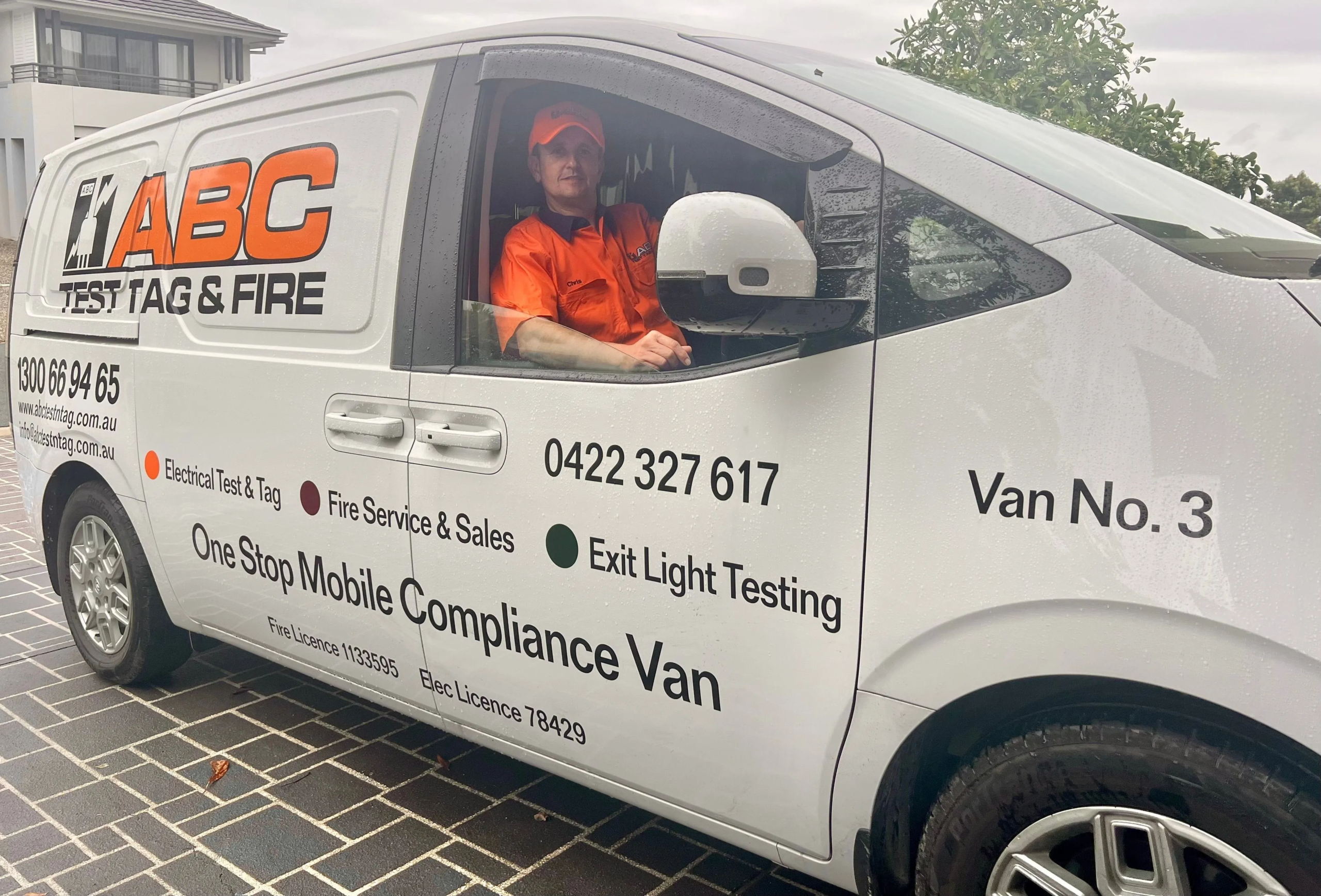
Test and Tag Gold Coast: Certified Electrical Safety Testing for Local Businesses Ensuring Compliance and Safety
In the bustling business environment of the Gold Coast, ensuring electrical safety is paramount for local enterprises. The process of test and tag, which involves the systematic inspection and testing of electrical appliances, is essential for compliance with safety regulations. This article delves into the significance of certified electrical safety testing, the legal obligations businesses face, and the benefits of engaging professional services like those offered by ABC Test Tag and Fire. Readers will gain insights into compliance requirements, safety standards, and the importance of regular testing to mitigate risks associated with electrical hazards. By understanding these elements, businesses can foster a safer workplace and avoid potential penalties.
Compliance Requirements
Compliance with electrical safety regulations is a critical aspect for businesses operating in Queensland. The Australian Standards AS/NZS 3760 outlines the legal obligations for electrical testing, which mandates regular inspections based on the type of equipment used. Businesses must ensure that all electrical appliances are tested and tagged to confirm their safety and compliance. Documentation of these tests is essential, as it serves as proof of compliance during inspections by regulatory bodies.
Regular testing not only ensures compliance but also enhances workplace safety. Engaging a certified service provider like ABC Test Tag and Fire can streamline this process, ensuring that all legal obligations are met efficiently.
Safety Standards
Understanding the relevant safety standards is crucial for businesses to maintain compliance and ensure the safety of their employees. The AS/NZS 3760 standard provides guidelines for the testing and tagging of electrical appliances, ensuring they meet the necessary safety requirements. Compliance with the Australian Wiring Rules is also essential, as it outlines the safety measures that must be adhered to, particularly in construction sites and other high-risk environments.
The importance of adhering to these standards cannot be overstated. Non-compliance can lead to severe penalties and increased risk of electrical accidents. Therefore, businesses must prioritize regular safety checks and engage professionals who are well-versed in these standards.
Further emphasizing the broader scope of workplace safety, comprehensive risk management, and adherence to various Australian Standards are critical for preventing accidents and ensuring overall compliance.
Workplace Safety Compliance: AS/NZS Standards & Risk Management
Manufacturing sites inherently involve significant risks due to complex machinery and high-risk operations. This study highlights the importance of comprehensive risk assessments to prevent accidents, protect workers, and ensure compliance with AS/NZS 4024.1–2019 standards and Work Health and Safety (WHS) regulations. It identifies and evaluates critical hazards, and provides targeted mitigation strategies to address these specific risks. The role of engineering controls in physically restricting access to hazardous areas and the contribution of administrative controls to fostering compliance and awareness are emphasized, significantly reducing machine-related risks, and enhancing workplace safety and operational compliance.
Innovative risk management for machine safety: insights from AS/NZS 4024 standards, M Yazdi, 2019
Significance of Regular Testing
Regular electrical testing is vital for maintaining a safe working environment. It helps identify potential hazards before they lead to accidents, ensuring that all equipment is functioning correctly and safely. Moreover, regular testing is a legal requirement that protects businesses from penalties associated with non-compliance.
Engaging a professional service for test and tag can significantly enhance workplace safety. ABC Test Tag and Fire specializes in certified electrical safety testing, providing businesses with peace of mind through accredited and prompt service delivery. By prioritizing regular testing, businesses not only comply with legal requirements but also foster a culture of safety within their organization.
What is Test and Tag and Why is it Essential for Gold Coast Businesses?
Test and tag is a systematic process that involves inspecting and testing electrical appliances to ensure they are safe for use. This process is essential for Gold Coast businesses as it helps them comply with safety regulations and protect their employees from electrical hazards. The consequences of neglecting testing can be severe, including legal penalties and increased risk of accidents.
By understanding the importance of test and tag services, businesses can take proactive steps to ensure their compliance and safety. Engaging a certified service provider like ABC Test Tag and Fire can streamline this process, ensuring that all equipment is tested and tagged according to the latest standards.
Understanding Portable Appliance Testing and Electrical Safety Standards
Portable appliance testing (PAT) is a crucial component of electrical safety standards. It involves the inspection and testing of electrical appliances to ensure they are safe for use. Compliance with AS/NZS 3760 is mandatory for businesses, as it outlines the requirements for testing and tagging electrical equipment.
Regular inspections are essential to identify any potential hazards and ensure that all appliances are functioning correctly. By adhering to these standards, businesses can mitigate risks associated with electrical accidents and ensure the safety of their employees.
Legal Obligations Under Australian Standards AS/NZS 3760
Businesses in Australia have specific legal obligations under the AS/NZS 3760 standard. This includes ensuring that all electrical appliances are tested and tagged at regular intervals based on their classification. Class I appliances require testing every 12 months, while Class II appliances need testing every five years.
Failure to comply with these regulations can result in significant penalties and increased liability in the event of an accident. Therefore, it is crucial for businesses to engage certified professionals who can ensure compliance with these legal obligations.
How Does the Certified Electrical Safety Testing Process Work?
The certified electrical safety testing process involves several key steps to ensure that all electrical appliances are safe for use. Initially, a thorough visual inspection is conducted to identify any visible defects or hazards. Following this, the appliances undergo a series of tests to assess their safety and functionality.
Once testing is complete, each appliance is tagged with a label indicating its compliance status. This process not only ensures safety but also provides documentation that can be presented during inspections. Engaging a professional service like ABC Test Tag and Fire can streamline this process, ensuring that all testing is conducted efficiently and in compliance with regulations.
Step-by-Step Inspection, Testing, Tagging, and Certification Procedures
- Initial Assessment: A qualified technician conducts a visual inspection of all electrical appliances to identify any potential hazards.
- Testing Procedures: Each appliance undergoes a series of tests to assess its safety and functionality, including insulation resistance and earth continuity tests.
- Tagging and Certification: Once testing is complete, each appliance is tagged with a compliance label, and documentation is provided to the business.
This systematic approach ensures that all electrical appliances are safe for use and compliant with legal requirements.
Integration of Fire Safety Compliance Services for Comprehensive Safety
Integrating fire safety compliance services with electrical testing is essential for comprehensive workplace safety. This approach ensures that all aspects of safety are addressed, reducing the risk of accidents and enhancing overall compliance.
Engaging a service provider that offers both electrical testing and fire safety compliance, such as ABC Test Tag and Fire, can streamline the process and ensure that all safety measures are met. This integrated approach not only enhances safety but also simplifies compliance for businesses.
What Are the Regulatory Requirements and Compliance Standards for Electrical Safety?
The regulatory requirements for electrical safety in Queensland are outlined in the Electrical Safety Act 2002 and the AS/NZS 3760 standard. These regulations mandate that all electrical appliances be tested and tagged at regular intervals to ensure their safety.
Businesses must stay informed about these regulations and ensure compliance to avoid penalties and enhance workplace safety. Engaging certified professionals can help businesses navigate these requirements effectively.
Overview of Workplace Electrical Compliance Laws in Queensland
Workplace electrical compliance laws in Queensland are designed to protect employees from electrical hazards. These laws require businesses to conduct regular testing and tagging of electrical appliances to ensure their safety.
Failure to comply with these laws can result in significant penalties and increased liability in the event of an accident. Therefore, it is crucial for businesses to prioritize compliance and engage certified professionals to conduct testing and tagging.
Updates and Implications of Australian Standards for 2025 and Beyond
As regulations evolve, businesses must stay informed about updates to Australian standards for electrical safety. Anticipated changes may include stricter testing requirements and increased penalties for non-compliance.
Staying informed about these updates is essential for businesses to maintain compliance and ensure the safety of their employees. Engaging a professional service provider can help businesses navigate these changes effectively.
How Can Gold Coast Businesses Benefit from Professional Test and Tag Services?
Gold Coast businesses can benefit significantly from engaging professional test and tag services. These services not only ensure compliance with legal requirements but also enhance workplace safety and reduce the risk of accidents.
By partnering with a certified service provider like ABC Test Tag and Fire, businesses can streamline their testing processes and ensure that all electrical appliances are safe for use. This proactive approach to safety can lead to cost savings and improved employee morale.
Avoiding Penalties and Ensuring Workplace Safety
To avoid penalties and ensure workplace safety, businesses must prioritize regular testing and tagging of electrical appliances. Understanding compliance requirements and engaging certified professionals is essential for maintaining safety standards.
Regular testing not only protects employees but also safeguards businesses from potential legal liabilities. By taking a proactive approach to safety, businesses can foster a culture of compliance and responsibility.
Peace of Mind Through Accredited and Prompt Service Delivery
Engaging accredited professionals for test and tag services provides businesses with peace of mind. Certified providers like ABC Test Tag and Fire offer prompt service delivery, ensuring that all testing is conducted efficiently and in compliance with regulations.
This timely service not only enhances workplace safety but also allows businesses to focus on their core operations without the worry of compliance issues. By prioritizing safety, businesses can create a secure environment for their employees.
What Are the Transparent Pricing Models and How to Request a Quote?
Understanding the pricing models for test and tag services is essential for businesses to budget effectively. Many providers offer transparent pricing structures based on the type and number of appliances being tested.
To request a quote, businesses can contact service providers directly and provide details about their testing needs. This process allows for accurate pricing and ensures that businesses can plan their budgets accordingly.
Detailed Pricing Structures for Electrical and Fire Safety Testing
Pricing for electrical and fire safety testing can vary based on several factors, including the type of equipment and the frequency of testing. Engaging a service provider that offers clear pricing structures can help businesses understand their costs.
Typical pricing models may include:
- Flat Rate Pricing: A fixed fee for testing a specific number of appliances.
- Hourly Rates: Charges based on the time taken to complete the testing.
- Bundled Services: Discounts for engaging multiple services, such as electrical testing and fire safety compliance.
Understanding these pricing structures can help businesses make informed decisions about their safety testing needs.
Simple Steps to Book Certified Test and Tag Services on the Gold Coast
Booking certified test and tag services is a straightforward process that can enhance workplace safety. Businesses can follow these simple steps:
- Identify Needs: Determine the number and type of appliances that require testing.
- Contact Service Providers: Reach out to certified professionals like ABC Test Tag and Fire to discuss testing needs.
- Schedule Appointments: Arrange a convenient time for the testing to be conducted.
By following these steps, businesses can ensure that their electrical appliances are tested and tagged in compliance with safety regulations.
What Are the Frequently Asked Questions About Test and Tag Services?
Many businesses have questions regarding test and tag services. Here are some common inquiries:
- How often should testing be conducted? Regular testing is required based on the type of equipment, typically every 12 months for Class I appliances.
- Who requires test and tag services? All businesses that use electrical appliances are required to engage in testing and tagging to ensure compliance.
- What types of equipment are covered? Test and tag services cover a wide range of electrical appliances, including power tools, computers, and kitchen equipment.
Understanding these FAQs can help businesses navigate the testing process more effectively.