Comparing Quality and Cost: Test and Tag Services in Logan
In the Logan region, ensuring electrical safety compliance is paramount for businesses. Test and tag services play a crucial role in maintaining workplace safety by verifying that electrical equipment meets safety standards. This article delves into the quality versus cost comparison of test and tag services, providing insights into what businesses can expect when seeking these essential services. Readers will learn about the importance of test and tag services, the legal requirements governing them, and how to balance quality and cost effectively. We will also explore the process of booking these services and address frequently asked questions to equip business owners with the knowledge they need to make informed decisions.
What Are Test and Tag Services and Why Are They Essential in Logan?
Test and tag services involve the systematic inspection and testing of electrical appliances to ensure they comply with safety standards. These services are essential in Logan as they help prevent electrical hazards, ensuring that workplaces remain safe for employees and customers alike. By adhering to safety regulations, businesses not only protect their staff but also mitigate the risk of costly accidents and legal repercussions. The importance of these services cannot be overstated, as they form the backbone of workplace safety compliance.
Understanding Electrical Safety Testing and Portable Appliance Tagging
Electrical safety testing and portable appliance tagging are critical components of workplace safety. The process typically involves checking the functionality and safety of electrical equipment, followed by affixing a tag that indicates the item has been tested and is safe for use. This tagging serves as a visual reminder for employees and management alike, ensuring that safety standards are consistently upheld. Regular testing is vital, as it helps identify potential issues before they escalate into serious problems, thereby safeguarding both personnel and property.
Legal Requirements and Australian Standards for Workplace Safety Compliance
In Australia, the legal framework governing test and tag services is outlined in the Electrical Safety Act and the AS/NZS 3760 standard. These regulations mandate that businesses regularly test and tag their electrical equipment to ensure compliance with safety standards. Failure to adhere to these requirements can result in significant penalties and increased liability in the event of an accident. Understanding these legal obligations is crucial for business owners, as it helps them maintain compliance and protect their interests.
The establishment of these regulatory frameworks is a complex process, as highlighted by research into the development of electrical safety standards across Australia and New Zealand.
Electrical Safety Regulation in Australia & New Zealand
The purpose of this paper is to discuss the major issues that have arisen in the creation of regulatory agencies responsible for electrical safety standards in Australia and New Zealand,
Utility regulation—The scope and structure of electrical safety regulation, 2011
Further underscoring the importance of these regulations, studies emphasize the critical role of comprehensive risk assessments in achieving compliance with specific AS/NZS standards and broader WHS requirements.
AS/NZS Standards & WHS Compliance for Workplace Safety
This study highlights the importance of comprehensive risk assessments to prevent accidents, protect workers, and ensure compliance with AS/NZS 4024.1–2019 standards and Work Health and Safety (WHS) regulations. It identifies and evaluates critical hazards, including nip, shear, and crush risks, and provides targeted mitigation strategies to address these specific risks.
Innovative risk management for machine safety: insights from AS/NZS 4024 standards, M Yazdi, 2019
How Does Quality Impact Test and Tag Services in Logan?

Quality plays a significant role in the effectiveness of test and tag services. High-quality services ensure that all testing is conducted thoroughly and accurately, which is essential for maintaining safety compliance. When businesses opt for quality services, they benefit from reliable testing results, which can prevent potential hazards and ensure a safe working environment. Moreover, investing in quality services can lead to long-term cost savings by reducing the likelihood of accidents and associated costs.
Key Quality Indicators: Compliance, Certification, and Reliability
When evaluating test and tag services, several key quality indicators should be considered. Compliance with Australian standards is paramount, as it ensures that the services provided meet the necessary safety requirements. Additionally, certification of the service provider is crucial, as it demonstrates their expertise and commitment to quality. Reliability is another important factor; businesses should seek providers known for their punctuality and thoroughness in service delivery.
Benefits of Choosing High-Quality Electrical and Fire Safety Testing
Choosing high-quality electrical and fire safety testing offers numerous benefits. Firstly, it enhances workplace safety by ensuring that all equipment is functioning correctly and safely. Secondly, it provides legal protection, as compliance with safety standards can shield businesses from liability in case of accidents. Lastly, high-quality testing can be cost-effective in the long run, as it reduces the risk of equipment failure and the associated costs of repairs or replacements.
What Are the Cost Factors Influencing Test and Tag Services in Logan?

Several cost factors influence the pricing of test and tag services in Logan. These include the complexity of the equipment being tested, the frequency of testing required, and the service provider’s pricing structure. Understanding these factors can help businesses make informed decisions when selecting a service provider, ensuring they receive the best value for their investment.
Affordable Pricing Models and Their Effect on Service Quality
Affordable pricing models can significantly impact the quality of service provided. While lower prices may seem attractive, they can sometimes indicate a compromise on service quality. Businesses should be cautious and evaluate the trade-offs between cost and quality. Transparent pricing structures that clearly outline what is included in the service can help businesses make better choices.
Comparing Costs: Local Providers Versus National Chains
When comparing costs, businesses often face the choice between local providers and national chains. Local providers may offer more personalized service and a better understanding of regional regulations, while national chains might provide standardized pricing and services. It’s essential to weigh the pros and cons of each option, considering factors such as service quality, reliability, and overall value.
How to Balance Quality and Cost When Selecting Test and Tag Services in Logan?
Balancing quality and cost is crucial when selecting test and tag services. Businesses should establish clear evaluation criteria to assess potential service providers. This includes checking for compliance with safety standards, evaluating the provider’s experience, and ensuring pricing transparency. By taking these steps, businesses can find a service provider that meets their needs without compromising on quality.
Evaluating Service Providers: Compliance, Experience, and Pricing Transparency
When evaluating service providers, businesses should prioritize compliance with safety standards. Additionally, the experience of the provider can significantly influence the quality of service. A provider with a proven track record is more likely to deliver reliable results. Finally, pricing transparency is essential; businesses should seek providers who clearly outline their fees and services to avoid unexpected costs.
Case Studies Demonstrating Cost-Effective Compliance Solutions
Examining case studies can provide valuable insights into cost-effective compliance solutions. For instance, businesses that have implemented regular testing schedules often report reduced incidents of equipment failure and associated costs. These real-world examples highlight the importance of investing in quality test and tag services as a proactive measure for workplace safety.
What Is the Process to Book Test and Tag Services in Logan Efficiently?
Booking test and tag services efficiently involves several key steps. Businesses should begin by identifying their specific needs and the types of equipment that require testing. Once this is established, they can reach out to service providers to obtain quotes and availability. A clear understanding of the booking process can streamline the experience and ensure timely service.
Step-by-Step Guide to Scheduling Electrical Safety Inspections
- Initial Consultation: Contact potential service providers to discuss your needs and obtain quotes.
- Scheduling Appointments: Choose a provider and schedule a convenient time for the inspection.
- Preparing Documentation: Ensure all necessary documentation is ready for the service provider, including details of the equipment to be tested.
Ensuring Prompt and Reliable Service Bookings with ABC Test Tag and Fire
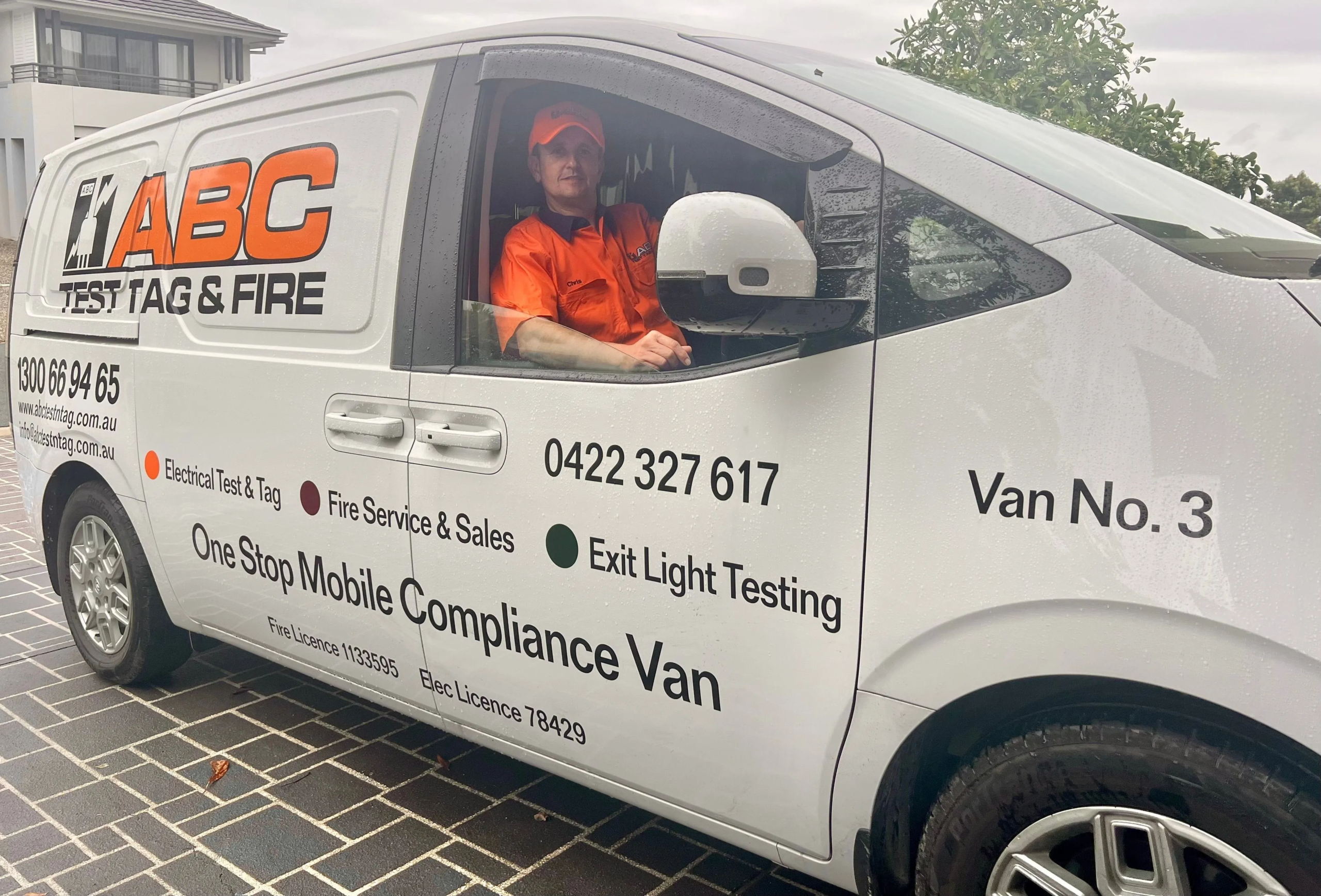
ABC Test Tag and Fire specializes in providing prompt and reliable test and tag services in Logan. Their commitment to quality and customer satisfaction ensures that businesses receive the best possible service. By choosing ABC Test Tag and Fire, businesses can rest assured that their electrical safety compliance needs are in capable hands.
What Are the Frequently Asked Questions About Test and Tag Compliance in Logan?
Understanding common questions about test and tag compliance can help businesses navigate their responsibilities more effectively. Many business owners wonder about the frequency of testing and who is qualified to perform these services.
How Often Should Electrical Equipment Be Tested and Tagged?
Electrical equipment should typically be tested and tagged every 6 to 12 months, depending on the type of equipment and its usage. High-risk environments may require more frequent testing to ensure ongoing compliance with safety standards. Regular testing helps identify potential issues before they become serious problems, ensuring a safe working environment.
Who Is Qualified to Perform Test and Tag Services in Logan?
Qualified professionals who perform test and tag services must have the necessary training and certification to ensure compliance with safety standards. It is essential for businesses to verify the credentials of service providers to ensure they are qualified to conduct the required testing and tagging. This verification helps maintain safety and compliance within the workplace.
For more detailed information on compliance and safety standards, businesses can refer to the Safe Work Australia Electrical Safety guidelines, which provide comprehensive resources on workplace electrical safety requirements.