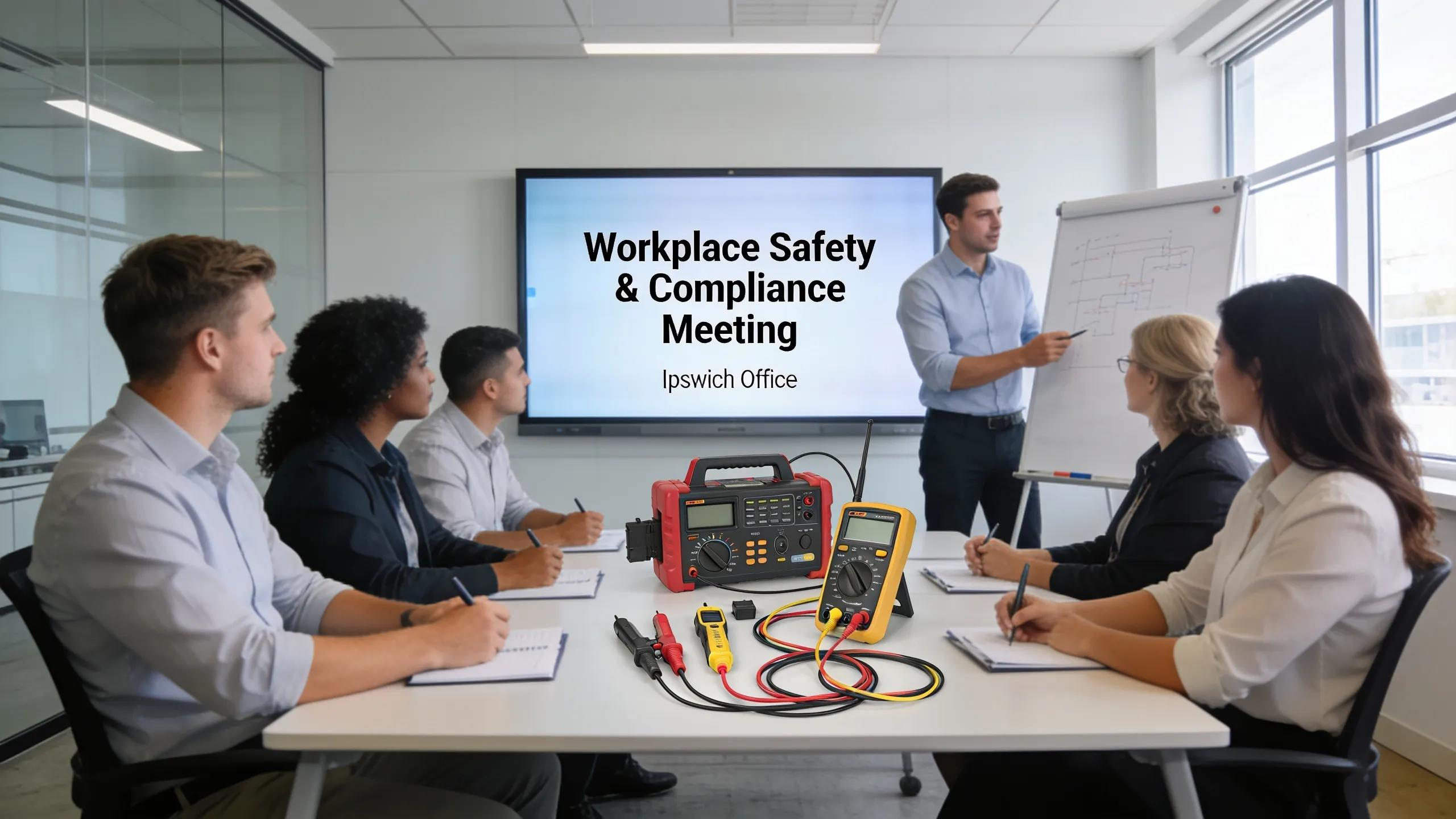
Test and Tag Services in Ipswich for Workplace Safety Compliance and Risk Mitigation
By Chris Shelford, ABC Test Tag & Fire
Ensuring workplace safety is paramount for any business, especially in dynamic environments like Ipswich. Test and tag services play a crucial role in compliance with electrical safety regulations and reducing workplace hazards. This article explores the various aspects of test and tag services in Ipswich, detailing compliance requirements, risk mitigation strategies, the significance of regular electrical testing, and insights into how these services contribute to overall workplace safety. By understanding these elements, businesses can proactively address safety compliance while enhancing their operational integrity.
Compliance Requirements
Compliance with electrical safety regulations is essential for businesses in Ipswich. This includes adhering to the Electrical Safety Act 2002 (Qld), which outlines specific legal obligations for testing and tagging electrical equipment. Organizations must conduct routine inspections and maintenance of electrical appliances to ensure they operate safely and efficiently. Non-compliance can lead to severe penalties and increased risk of electrical hazards, making it crucial for businesses to stay informed about testing frequencies and documentation processes.
What Are the Regulatory Requirements for Electrical Safety Compliance in Ipswich?
To comply with regulations, businesses in Ipswich must follow specific protocols:
- Electrical Safety Act 2002 (Qld): Mandates regular testing of electrical equipment to minimize risks.
- Testing Frequency: Varies based on the type of equipment, typically requiring annual assessments for high-risk appliances.
- Documentation: Businesses must maintain adequate records of inspections and testing to demonstrate compliance with safety requirements.
Which Australian Standards Govern Test and Tag Services?
The Australian Standards set forth guidelines that influence how test and tag services operate:
- AS/NZS 3760: Outlines requirements for the in-service safety inspection and testing of electrical equipment.
- AS/NZS 3012: Details safety requirements for electrical installations at construction sites.
- AS/NZS 60529: Defines the protection levels of enclosures for electrical equipment.
Understanding these standards ensures that businesses adhere to best practices within the industry.
Risk Mitigation Strategies

Implementing effective risk mitigation strategies is essential for ensuring a safe working environment. Beyond compliance, proactive measures can significantly reduce potential hazards associated with electrical equipment. Regular testing allows businesses to identify potential defects or malfunctions before they escalate into dangerous situations.
How Do Test and Tag Services Ensure Workplace Electrical and Fire Safety?
Test and tag services uphold workplace safety through systematic processes that include:
- Initial Assessment: Conducting a thorough evaluation of all electrical appliances and systems to identify hazards.
- Visual Inspections: Regular inspections help detect any visible issues, such as frayed cords or damaged plugs.
- Testing Procedures: Specifically designed tests evaluate insulation resistance, earth continuity, and other safety parameters.
- Tagging and Reporting: Each tested item is tagged, and detailed reports are created to maintain compliance and assist in future audits.
Regular inspections are vital; they not only guarantee compliance but also foster a culture of safety within the organization.
Importance of Regular Electrical Testing
The significance of periodic electrical testing cannot be overstated. Regular testing ensures that equipment remains in safe working condition, which is crucial for both legal compliance and employee safety. Additionally, it enhances the overall reliability of electrical devices, minimizing downtime and promoting efficient operations.
To illustrate the benefits of consistent testing, consider these advantages:
- Enhanced Safety: Regular testing detects issues before they pose a danger to employees.
- Legal Compliance: Keeps businesses aligned with safety regulations, reducing the risk of penalties.
- Reputation Management: Demonstrating a commitment to safety can strengthen a business’s reputation among clients and stakeholders.
For businesses looking to implement a robust safety strategy, engaging with professional test and tag providers is highly beneficial.
What Are the Benefits of Engaging Professional Test and Tag Providers in Ipswich?
Engaging qualified test and tag services, such as those offered by ABC Test Tag and Fire, provides businesses with substantial advantages:
- Expertise in Hazards: Trained professionals have the knowledge to identify and rectify potential safety risks effectively.
- Cost Efficiency: Regular testing can prevent costly accidents and operational disruptions due to equipment failure.
- Peace of Mind: Business owners can focus on operations knowing that safety compliance is managed by experts.
The integration of professional services into routine safety measures underscores an organization’s commitment to workplace safety.
What Differentiates ABC Test Tag and Fire Services in Ipswich?
ABC Test Tag and Fire is distinguished by its commitment to excellence in safety compliance. The company’s unique attributes include:
- Comprehensive Safety Services: Offering both electrical testing and fire safety compliance to meet diverse business needs.
- Expert Technicians: Skilled personnel ensure all inspections are thorough and compliant with the latest regulations.
- Dedicated Support: Ongoing assistance and guidance help businesses manage compliance effectively throughout their operational lifecycle.
These factors contribute to ABC Test Tag and Fire’s reputation as a trusted partner for workplace safety in Ipswich.
How Often Must Businesses Conduct Electrical Equipment Testing and Tagging?

Different types of electrical equipment require varying testing frequencies based on risk assessment and usage:
- Portable Appliances: Typically tested every 6 to 12 months, depending on the environment and use.
- Fixed Equipment: Should undergo testing at longer intervals, usually every 2 to 5 years.
- Fire Safety Equipment: Regular inspections and maintenance must occur at least annually to ensure functionality.
Maintaining a testing schedule not only meets regulatory requirements but also enhances workplace safety standards.
Which Types of Electrical Equipment and Appliances Require Portable Appliance Testing?
Portable appliance testing applies to various devices typically found in workplaces. Examples include:
- Power Tools: Essential in construction and manufacturing sectors, requiring regular inspections to assure safety.
- Computers and IT Equipment: Key in office settings, where failures can cause significant downtime.
- Kitchen Appliances: Common in hospitality and catering businesses needing to ensure appliances meet safety standards.
Addressing these devices ensures that all critical equipment is accounted for in safety protocols.
How Are Test Tags Applied and Recorded to Maintain Compliance Records?
The process of applying test tags and recording compliance is systematic and essential for traceability. Each tag provides critical information:
- Date of Testing: Indicates when the equipment was last inspected.
- Tester Information: Identifies the technician who performed the test.
- Status: Clarifies whether the equipment passed or failed inspection.
This documentation is vital for audits and demonstrates a commitment to safety.
How Can Businesses Schedule and Manage Test and Tag Services Efficiently?
To manage test and tag services efficiently, businesses can follow these best practices:
- Organizational Tips: Maintain a central log of equipment needing testing to streamline scheduling.
- Use of Software Tools: Employing digital solutions can enhance tracking and remind businesses about upcoming inspections.
- Preparation for Appointments: Ensuring equipment is accessible and organized for testing can minimize downtime.
These strategies enable businesses to integrate safety measures seamlessly into operations.
What Is the Booking Process and Typical Service Timeline?
Booking test and tag services typically involves several straightforward steps:
- Initial Consultation: Discussing specific needs and requirements with the service provider.
- Scheduling: Agreeing on a convenient date and time for inspections.
- Service Timeline: Depending on the volume of equipment, services can generally be completed within a few hours to a day.
This clear process allows businesses to anticipate service timelines and plan accordingly.
What Frequently Asked Questions Address Common Compliance and Testing Concerns?
Addressing common queries in electrical safety can demystify the process for businesses:
- What happens if equipment fails its test?: If an appliance fails, it must be repaired or replaced before it can be retested.
- How much does test and tag service cost?: Costs vary depending on the number of items being tested and location; it’s recommended to consult providers for quotes.
- Why is it important to maintain documentation?: Documentation provides proof of compliance and helps in audits or inspections by regulatory bodies.
Providing clarity on these issues can help organizations make informed decisions regarding their safety protocols.
How Is Fire Safety Integrated with Electrical Compliance Inspections?
Fire safety protocols are integral to the overall electrical compliance inspections. Integrating fire safety assessments ensures that all potential hazards associated with electrical installation are addressed. The integration allows for comprehensive audits where both electrical safety and fire risk factors are evaluated. Effective strategies can lead to less risk of incidents, preserving life and property in the workplace. By establishing a holistic compliance framework, organizations can optimize their safety measures significantly.
In summary, implementing comprehensive test and tag services in Ipswich is crucial for regulatory compliance and risk management. Regular electrical testing, alongside fire safety compliance, enhances workplace safety and protects businesses from potential liability. Engaging with professional service providers like ABC Test Tag and Fire not only meets legal obligations but also contributes to a safe working environment. Stay informed, prepare adequately, and prioritize safety to ensure a secure workplace for all employees.