Test and Tag Services Near You for Electrical Safety Compliance
Electrical safety compliance is a critical aspect of maintaining a safe working environment, particularly for businesses that rely on electrical equipment. Test and tag services play a vital role in ensuring that all electrical appliances are safe to use and comply with relevant regulations. This comprehensive guide will explore the importance of these services, the processes involved, and the benefits of utilizing local providers. Many businesses face challenges in meeting compliance standards, which can lead to safety hazards and legal repercussions. By understanding the mechanisms behind test and tag services, companies can mitigate risks and enhance workplace safety. This article will cover the importance of electrical safety compliance, the processes involved in test and tag services, relevant regulations, and the benefits of choosing local providers.
Importance of Electrical Safety Compliance
Electrical safety compliance is essential for protecting employees and customers from potential hazards associated with electrical equipment. By adhering to safety standards, businesses can significantly reduce the risk of electrical accidents, which can lead to severe injuries or even fatalities. Furthermore, compliance helps to minimize liability for businesses, as it demonstrates a commitment to safety and due diligence. This proactive approach not only enhances a company’s reputation but also fosters trust among clients and stakeholders.
Indeed, achieving comprehensive electrical workplace safety compliance is a continuous journey that requires dedication to the latest standards.
Achieving Electrical Workplace Safety Compliance
safety compliance at 13 cement plants in the united states and canada. The enterprise-electrical workplace safety initiative resulted in compliance by all plant sites to the latest standards
Arc flash safety compliance: A journey toward electrical workplace safety and production reliability, 2018
Process Involved in Test and Tag Services
The process of test and tag services involves several key steps to ensure that electrical equipment is safe for use. Initially, a consultation and assessment are conducted to identify the equipment that requires testing. Following this, visual inspections are performed to check for any visible signs of damage or wear. The next step involves electrical testing, where equipment is subjected to various tests to ensure it meets safety standards. Finally, compliant equipment is tagged with a safety label, indicating that it has passed inspection and is safe to use.
Recommended Testing Frequencies
Testing frequencies for electrical equipment vary based on the type of equipment and its usage. High-risk equipment, such as power tools, should be tested every three months, while medium-risk equipment, like computers, may require testing every six months. Low-risk equipment, such as lamps, can typically be tested annually. Adhering to these recommended frequencies ensures that all equipment remains compliant and safe for use.
Relevant Regulations
Businesses must comply with various regulations regarding electrical safety, including the AS/NZS 3760 standard requirements. This standard outlines the necessary procedures for testing and tagging electrical equipment to ensure safety. Additionally, the frequency of testing is often dictated by the type of equipment and its usage, as specified in the Electrical Safety Act 2002. Understanding these regulations is crucial for businesses to maintain compliance and avoid potential penalties.
Beyond the AS/NZS 3760, other specific standards, such as the AS/NZS 60335 series, are crucial for ensuring electrical compliance across various equipment types.
AS/NZS 60335 Series for Electrical Compliance
such as the AS/NZS 60335 series for electrical compliance, and AS 4343 for pressure equipment compliance where design and plant registration is required. Compliance with these
Flammable Refrigerants, 2013
Benefits of Utilizing Local Providers
Choosing local test and tag service providers offers several advantages for businesses. Local experts possess a deep understanding of regional regulations and can provide tailored compliance support. Their familiarity with local conditions allows for more reliable and timely service, ensuring that businesses can maintain compliance without unnecessary delays. Furthermore, utilizing local providers can be more cost-effective, as they often have lower travel costs and can respond quickly to service requests.
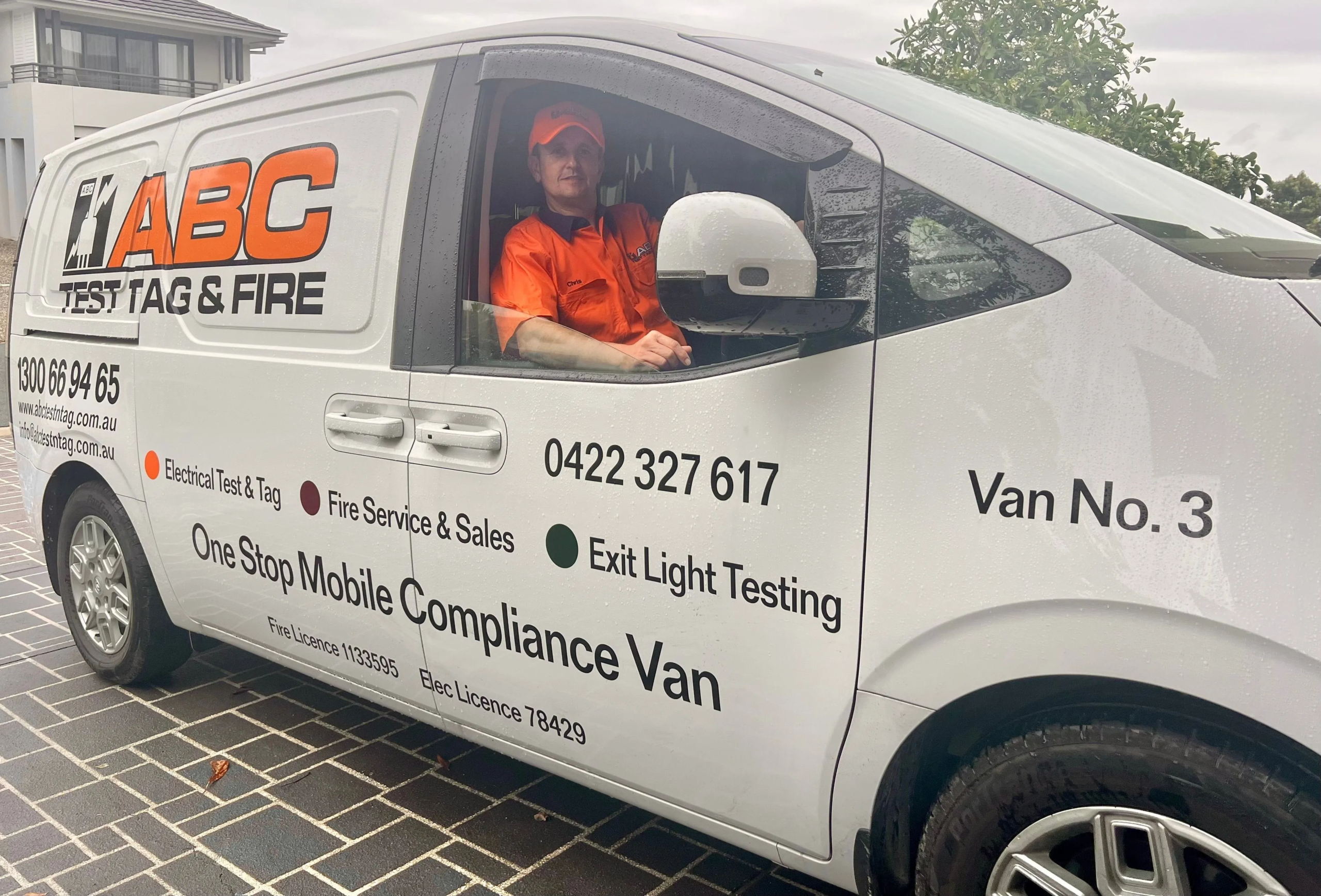
For businesses in Brisbane, Ipswich, and the Gold Coast, ABC Test Tag and Fire is a specialized service provider focused on electrical and fire safety compliance. They offer comprehensive test and tag services, ensuring that your equipment meets all necessary safety standards.
What Are Test and Tag Services and Why Are They Essential for Workplace Electrical Safety?
Test and tag services involve the systematic inspection and testing of electrical equipment to ensure it is safe for use. This process is essential for preventing electrical hazards, which can lead to accidents and injuries in the workplace. By ensuring compliance with legal requirements, businesses can protect their employees and customers while also safeguarding their reputation.
Benefits of Test and Tag Services
Regular test and tag services provide numerous benefits for businesses. Firstly, they enhance safety by identifying potential hazards before they lead to accidents. Secondly, these services ensure compliance with legal requirements, reducing the risk of penalties and legal issues. Lastly, maintaining compliance can also satisfy insurance requirements, ensuring that businesses are protected in the event of an incident.
Legal Requirements
Compliance with legal requirements is a fundamental aspect of test and tag services. Businesses must adhere to the AS/NZS 3760 standard, which outlines the necessary procedures for testing and tagging electrical equipment. Additionally, the frequency of testing is determined by the type of equipment and its usage, as specified in the Electrical Safety Act 2002. Failure to comply with these regulations can result in significant penalties and increased liability.
While Australian standards are paramount locally, the global emphasis on structured compliance is echoed by bodies like OSHA, which provides detailed electrical safety regulations for workplaces.
OSHA Electrical Safety Regulations for Workplaces
Compliance Regulations OSHA provides safety regulations for electrical safety in the workplace. Their regulations are written in compliance-based language, leaving the analysis,
Electrical Safety in the Workplace, 2005
Implementation Processes
Implementing test and tag services involves several key steps. Initially, businesses should conduct an assessment to identify the equipment that requires testing. Following this, a consultation with a qualified service provider is essential to establish a testing schedule. The actual testing process includes visual inspections and electrical testing, followed by documentation and reporting to ensure compliance.
How Does Portable Appliance Testing Ensure Electrical Equipment Safety?
Portable appliance testing (PAT) is a critical component of test and tag services. This process involves visual inspections and electrical testing to ensure that appliances are safe for use. Compliance with established standards during PAT helps to identify any potential hazards, ensuring that equipment is safe and reliable.
What Are the Legal Requirements and Australian Standards Governing Test and Tag?
The legal requirements governing test and tag services are primarily outlined in the AS/NZS 3760 standard and the Electrical Safety Act 2002. These regulations specify the necessary procedures for testing and tagging electrical equipment, as well as the frequency of testing based on equipment type. Understanding these legal requirements is crucial for businesses to maintain compliance and avoid potential penalties.
How Do Fire Safety Inspection Services Complement Electrical Safety Compliance?
Fire safety inspection services play a vital role in complementing electrical safety compliance. By ensuring that electrical systems are functioning correctly and safely, these inspections help to prevent fire hazards associated with faulty equipment. Additionally, comprehensive documentation and reporting from both test and tag services and fire safety inspections provide a clear record of compliance, which is essential for regulatory purposes.
What Fire Safety Compliance Measures Are Required in Brisbane, Ipswich, and Gold Coast?
In Brisbane, Ipswich, and the Gold Coast, businesses must adhere to specific fire safety compliance measures. These include regular inspections of fire safety equipment, compliance with Australian standards, and ensuring emergency preparedness. By following these measures, businesses can significantly reduce the risk of fire-related incidents and enhance overall safety.
How Does Integrating Fire Safety and Test and Tag Services Reduce Workplace Risks?
Integrating fire safety and test and tag services can significantly reduce workplace risks. This holistic approach ensures that all safety measures are aligned, minimizing the chances of accidents and enhancing compliance. By addressing both electrical safety and fire hazards, businesses can create a safer working environment for their employees and customers.
Which Local Regulations and Standards Govern Test and Tag Services in Brisbane and Surrounding Areas?
Local regulations and standards governing test and tag services in Brisbane and surrounding areas include the AS/NZS 3760 requirements and the Electrical Safety Act 2002. These regulations outline the necessary procedures for testing and tagging electrical equipment, ensuring compliance and safety. Understanding these local standards is essential for businesses to maintain compliance and avoid potential penalties.
What Are the Key Updates in Queensland Safety Regulations for 2026?
As of 2026, key updates in Queensland safety regulations include changes to compliance requirements for electrical safety. These updates aim to enhance safety standards and ensure that businesses are adequately protected against potential hazards. Staying informed about these changes is crucial for businesses to maintain compliance and ensure the safety of their employees and customers.
How Do AS/NZS 3760 Standards Apply to Electrical Equipment Testing?
The AS/NZS 3760 standards provide a comprehensive framework for electrical equipment testing. These standards outline the necessary procedures for testing and tagging, ensuring that all equipment is safe for use. Compliance with these standards is essential for businesses to maintain safety and avoid potential penalties.
How Can Businesses Book Reliable Test and Tag Services Near Me in Brisbane, Ipswich, and Gold Coast?
Booking reliable test and tag services involves several key steps. First, businesses should choose a qualified provider with experience in electrical safety compliance. Next, an initial consultation and quote should be arranged to discuss specific needs and establish a testing schedule. Finally, scheduling an appointment for the testing process ensures that all equipment is compliant and safe for use.
What Is the Typical Cost Structure for Test and Tag and Fire Safety Inspection Services?
The cost structure for test and tag and fire safety inspection services can vary based on several factors, including the type of equipment and the complexity of the testing process. Basic testing services typically start at around $100, while comprehensive packages may range from $200 to $500, depending on the services included. Understanding these costs is essential for businesses to budget effectively for compliance.
What Are the Steps to Request a Quote and Schedule Compliance Inspections?
Requesting a quote and scheduling compliance inspections involves several straightforward steps. First, businesses should identify their specific needs and the equipment that requires testing. Next, selecting a qualified service provider is crucial to ensure compliance. Finally, scheduling inspections can be done through direct communication with the provider, ensuring that all necessary arrangements are made.
What Are the Benefits of Choosing Local Experts for Electrical Equipment Testing and Fire Safety Compliance?
Choosing local experts for electrical equipment testing and fire safety compliance offers several advantages. Local providers have a deep understanding of regional regulations, ensuring that businesses remain compliant with local standards. Additionally, their familiarity with the area allows for faster response times and tailored support, enhancing overall service quality.
How Does Localized Service Ensure Faster Response and Tailored Compliance Support?
Localized service ensures faster response times and tailored compliance support by leveraging the provider’s knowledge of local regulations and conditions. This proximity allows for more efficient communication and quicker service delivery, ensuring that businesses can maintain compliance without unnecessary delays.
What Case Studies Demonstrate Improved Workplace Safety Through Professional Test and Tag Services?
Numerous case studies illustrate the positive impact of professional test and tag services on workplace safety. For instance, a manufacturing company that implemented regular testing and tagging saw a significant reduction in electrical accidents, leading to improved employee morale and productivity. These examples highlight the importance of maintaining compliance and the benefits of investing in professional services.