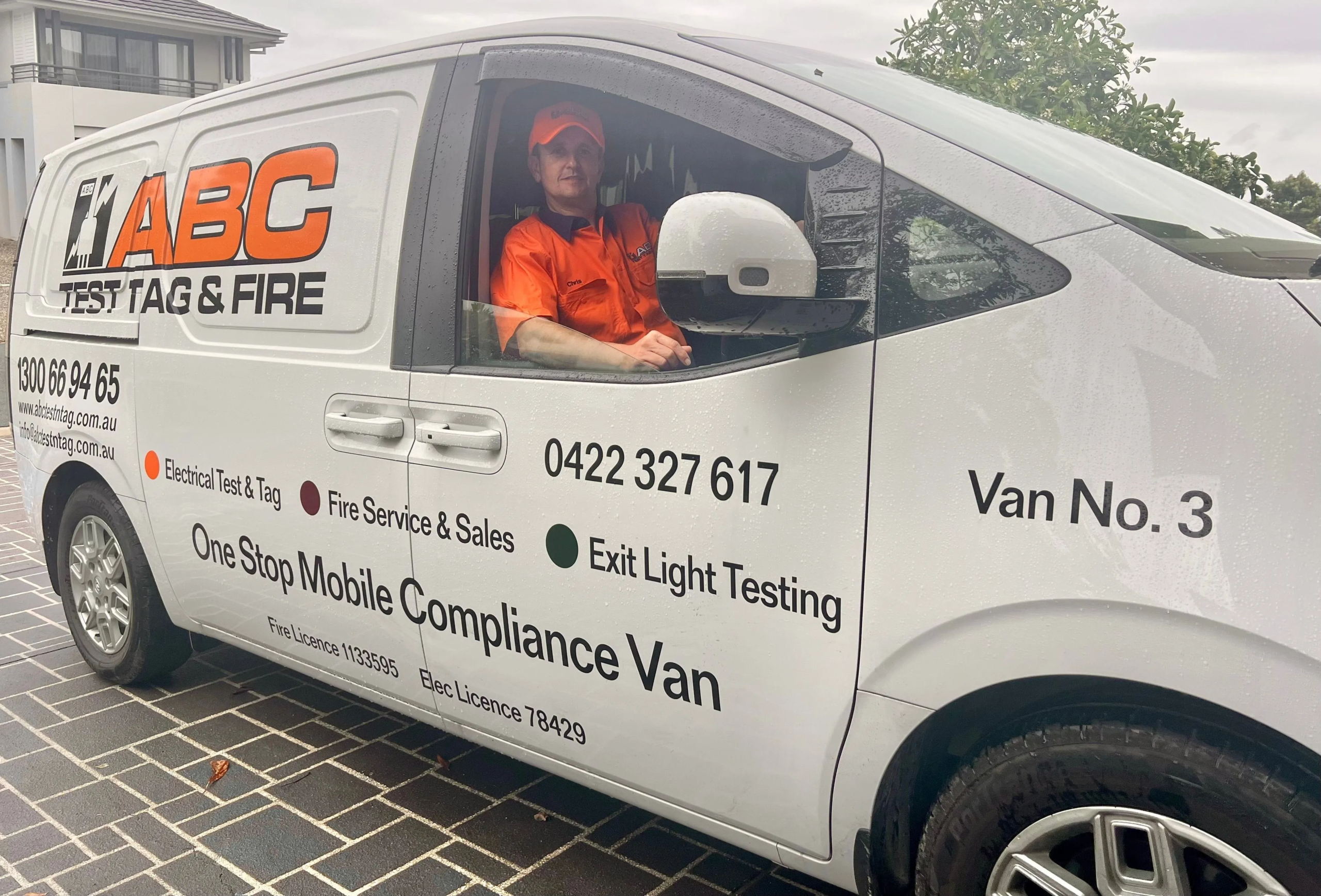
Professional Test & Tag vs DIY Electrical Safety Compliance
In the realm of workplace safety, ensuring compliance with electrical safety standards is paramount. This article delves into the critical comparison between professional test and tag services and DIY compliance solutions, highlighting their respective benefits and risks. Readers will gain insights into the importance of adhering to safety regulations and the potential consequences of neglecting them. The discussion will cover the mechanisms of professional services, the pitfalls of DIY approaches, and the legal implications of non-compliance. Additionally, we will explore how businesses can engage with ABC Test Tag and Fire for their compliance needs, ensuring a safer working environment.
Test and Tag Services
Professional test and tag services are essential for maintaining electrical safety in workplaces. These services involve systematic testing of electrical equipment to ensure compliance with safety standards, such as AS/NZS 3760. Qualified technicians conduct thorough inspections, identifying potential hazards and ensuring that all equipment is functioning correctly. The primary benefits of these services include enhanced safety through regular testing, compliance assurance, and comprehensive documentation that can be crucial during audits.
Understanding and applying comprehensive electrical safety regulations is a foundational step for protecting all workers.
Workplace Electrical Safety Regulations & Compliance
The Occupational Safety and Health Administration (OSHA) has developed safety regulations for electrical safety in the workplace. Their regulations are written in compliance-based language. Understanding and applying these regulations is the first step to providing comprehensive electrical safety protection for all workers.
Electrical Safety in the Workplace, 2005
ABC Test Tag and Fire specializes in providing these essential services, focusing on the Logan, Brisbane, Ipswich, and Gold Coast regions. By engaging their expertise, businesses can ensure that their electrical equipment meets all regulatory requirements, significantly reducing the risk of workplace accidents.
What Are Professional Test and Tag Services and Their Compliance Benefits?
Professional test and tag services involve a detailed process where qualified technicians assess electrical equipment for safety compliance. This process not only identifies potential hazards but also ensures that all equipment adheres to the relevant Australian standards. The benefits of these services are manifold, including the assurance of compliance with safety regulations, which can prevent legal repercussions and enhance workplace safety.
Moreover, these services provide businesses with detailed documentation of compliance, which is essential for audits and inspections. Regular testing also helps in identifying equipment that may need repairs or replacements, thereby minimizing downtime and ensuring operational efficiency.
How Do Certified Technicians Conduct Electrical Safety Testing?
Certified technicians conduct electrical safety testing through a series of systematic steps. Initially, they perform visual inspections to identify any visible signs of wear or damage. Following this, they conduct electrical tests to measure insulation resistance, earth continuity, and other critical parameters. Each piece of equipment is then tagged with a compliance label, indicating that it has passed the necessary safety checks.
This rigorous process ensures that all equipment is safe for use and compliant with the AS/NZS 3760 standards, providing peace of mind for employers and employees alike.
Which Australian Standards Govern Test and Tag Compliance?
The primary Australian standard governing test and tag compliance is AS/NZS 3760. This standard outlines the requirements for the testing and tagging of electrical equipment to ensure safety in the workplace. It specifies the frequency of testing based on the type of equipment and its usage environment, ensuring that all electrical devices are regularly assessed for safety.
Further emphasizing the legislative framework, the regulation of safety standards and the licensing of electrical workers are critical components of electricity safety in Australia and New Zealand.
AU/NZ Electricity Safety Regulation & Worker Licensing
The issues that have arisen in the reform of regulation in the case of electricity safety over the longer term and the implications for the future are examined. The paper also discusses the regulation of safety standards and licensing of electrical workers and contractors. In Queensland the Electricity Safety Act 2002 is the primary legislation.
The Long-Term Regulation of Safety Standards: The Case of the Electricity Industry in Australia and New Zealand, 2012
Compliance with these standards is not just a legal obligation but also a critical component of workplace safety management. Failure to adhere to these standards can result in significant legal and financial repercussions for businesses.
DIY Compliance Solutions
While DIY compliance solutions may seem appealing due to their cost-saving potential, they come with significant risks. Many individuals lack the necessary expertise to conduct thorough safety assessments, which can lead to overlooked hazards and unsafe working conditions. The primary risks associated with DIY compliance include inadequate testing, lack of proper documentation, and potential legal liabilities.
Engaging professional services like ABC Test Tag and Fire mitigates these risks by ensuring that all safety checks are conducted by qualified technicians who understand the complexities of electrical safety compliance.
What Are the Risks and Limitations of DIY Electrical Compliance?

DIY electrical compliance solutions pose several risks that can jeopardize workplace safety. One of the most significant risks is the lack of expertise, which can lead to improper testing and failure to identify critical safety issues. Additionally, DIY methods often lack the necessary documentation required for compliance audits, leaving businesses vulnerable to legal challenges.
Moreover, the financial implications of a workplace accident due to inadequate safety measures can far exceed the initial savings from opting for DIY solutions. Therefore, investing in professional test and tag services is a prudent choice for any business.
How Can DIY Testing Lead to Workplace Safety Violations?
DIY testing can lead to workplace safety violations primarily due to the lack of proper training and knowledge. Individuals conducting these tests may not be aware of the specific requirements outlined in the AS/NZS 3760 standard, resulting in non-compliance. Furthermore, inadequate testing procedures can overlook critical safety issues, increasing the risk of accidents and injuries in the workplace.
The consequences of such violations can be severe, including legal penalties, increased insurance premiums, and damage to the company’s reputation.
What Are the Legal Implications of Non-Professional Compliance?

Non-professional compliance can lead to significant legal implications for businesses. If an incident occurs due to non-compliance with safety standards, companies may face hefty fines, legal action, and increased scrutiny from regulatory bodies. Additionally, the lack of proper documentation can hinder a company’s ability to defend itself in legal proceedings.
It is crucial for businesses to understand that investing in professional compliance services is not just about meeting legal requirements; it is also about protecting their employees and ensuring a safe working environment.
What Are the Regulatory Requirements for Electrical Safety in Queensland Workplaces?
In Queensland, the regulatory requirements for electrical safety are governed by the Electrical Safety Act 2002 and the associated regulations. These regulations outline the responsibilities of employers to ensure that all electrical equipment is safe and compliant with the relevant standards. Regular testing and tagging of electrical equipment are mandatory to maintain compliance and ensure workplace safety.
The Queensland Electrical Safety Act 2002 forms the bedrock of these requirements, guiding the development of systems for effective safety equipment compliance.
Queensland Electrical Safety Act & Equipment Compliance
The major theme to this work was Safety and Testing, to align the two and provide a system that would satisfy the Queensland Electrical Safety Act 2002. The thesis is based on the development of an asset management model for effective safety equipment compliance in the Queensland electrical supply industry.
Development of an asset management model for effective safety equipment compliance in the Queensland electrical supply industry, 2002
Employers must also keep accurate records of all testing and maintenance activities, which can be crucial during inspections and audits.
How Often Must Electrical Equipment Be Tested and Tagged?
The frequency of testing and tagging electrical equipment depends on several factors, including the type of equipment and its usage environment. Generally, equipment used in high-risk environments should be tested more frequently than that used in low-risk settings. For example, portable appliances in construction sites may require testing every three months, while office equipment may only need testing annually.
Adhering to these testing schedules is essential for maintaining compliance and ensuring the safety of all employees.
What Are the Consequences of Failing to Meet Compliance Standards?
Failing to meet compliance standards can have dire consequences for businesses. Legal penalties can include fines and sanctions, while non-compliance can also lead to increased insurance premiums and potential lawsuits in the event of an accident. Furthermore, the damage to a company’s reputation can be long-lasting, affecting customer trust and employee morale.
To avoid these consequences, businesses should prioritize compliance by engaging professional test and tag services.
How Do Fire Safety Compliance Services Complement Electrical Testing?
Fire safety compliance services are integral to a comprehensive safety strategy in workplaces. These services ensure that fire safety equipment, such as alarms and extinguishers, is regularly inspected and maintained. By integrating fire safety compliance with electrical testing, businesses can create a safer environment that addresses multiple safety concerns simultaneously.
This holistic approach not only enhances overall safety but also ensures compliance with various regulatory requirements, reducing the risk of accidents and legal issues.
What Fire Safety Inspections Are Required for Commercial Premises?
Commercial premises are required to conduct regular fire safety inspections to ensure that all fire safety equipment is functional and compliant with local regulations. These inspections typically include checking fire alarms, extinguishers, and emergency lighting systems. Additionally, businesses must ensure that evacuation plans are in place and that employees are trained in fire safety procedures.
Regular inspections help identify potential hazards and ensure that all safety measures are up to date, providing peace of mind for both employers and employees.
How Does Integrated Compliance Reduce Workplace Risk?
Integrated compliance, which combines electrical safety testing with fire safety inspections, significantly reduces workplace risk. By addressing multiple safety aspects simultaneously, businesses can ensure that all safety measures are cohesive and effective. This approach minimizes the likelihood of accidents and enhances overall safety culture within the organization.
Furthermore, integrated compliance can lead to cost savings by streamlining safety processes and reducing the need for multiple service providers.
How Can Businesses Engage ABC Test Tag and Fire for Compliance Services?
Engaging ABC Test Tag and Fire for compliance services is a straightforward process. Businesses can start by reaching out for an initial consultation to discuss their specific needs and requirements. The team will then provide a tailored service package that addresses the unique safety challenges faced by the business.
By choosing ABC Test Tag and Fire, companies can benefit from expert knowledge and experience in electrical and fire safety compliance, ensuring a safer working environment for all employees.
What Is the Process to Request a Quote and Book Services?
To request a quote and book services with ABC Test Tag and Fire, businesses can contact the team directly through their website or by phone. The process typically involves an initial assessment of the business’s compliance needs, followed by a detailed quote outlining the services offered. Once the quote is accepted, a convenient time for the service can be scheduled.
This streamlined process ensures that businesses can quickly and efficiently address their compliance needs without unnecessary delays.
What Customized Service Packages Are Available for Logan and Surrounding Areas?
ABC Test Tag and Fire offers customized service packages tailored to the specific needs of businesses in Logan and the surrounding areas. These packages can include a combination of electrical testing, fire safety inspections, and ongoing maintenance services. By providing tailored solutions, ABC Test Tag and Fire ensures that businesses receive the most effective compliance support for their unique circumstances.
This personalized approach not only enhances safety but also helps businesses stay compliant with all relevant regulations.