Comprehensive Guide to Electrical Safety Testing Services: Test and Tag Services vs DIY Explained
Electrical safety is a critical concern for businesses, ensuring that all equipment is compliant with safety standards to protect employees and customers alike. This comprehensive guide delves into the nuances of test and tag services versus DIY methods, providing insights into their respective processes, advantages, and disadvantages. Understanding the importance of compliance with electrical safety regulations is essential for any organization, as non-compliance can lead to severe penalties and increased risks of accidents. This article will explore the testing process, the benefits of professional services, and the potential pitfalls of DIY approaches, ultimately guiding businesses in making informed decisions about their electrical safety compliance strategies.
Importance of Compliance
Compliance with electrical safety standards is not just a legal obligation; it is a fundamental aspect of workplace safety. Adhering to these standards protects employees and customers from potential hazards associated with electrical equipment. Regular testing and tagging of appliances can prevent accidents, ensuring that all equipment is functioning safely and efficiently. Moreover, non-compliance can lead to significant fines and legal repercussions, making it imperative for businesses to prioritize safety compliance.
Electrical Safety Testing: Professional Test & Tag vs DIY
The testing process for electrical safety involves several critical steps to ensure that all equipment meets safety standards. Initially, visual inspections are conducted to identify any obvious defects or hazards. Following this, electrical testing is performed to assess the functionality and safety of the equipment. Finally, tagging compliant equipment is crucial, as it provides a clear indication that the item has been tested and is safe for use. This systematic approach not only enhances safety but also ensures compliance with relevant regulations.
Advantages of Professional Test and Tag Services

Engaging professional test and tag services offers numerous benefits that can significantly enhance workplace safety.
- Expertise in Identifying Hazards: Professionals are trained to spot potential risks that may go unnoticed by untrained personnel.
- Assurance of Compliance with Regulations: Hiring experts ensures that all testing is conducted according to the latest safety standards, reducing the risk of non-compliance.
- Risk Mitigation through Early Identification: Regular professional testing can identify issues before they escalate into serious problems, protecting both employees and assets.
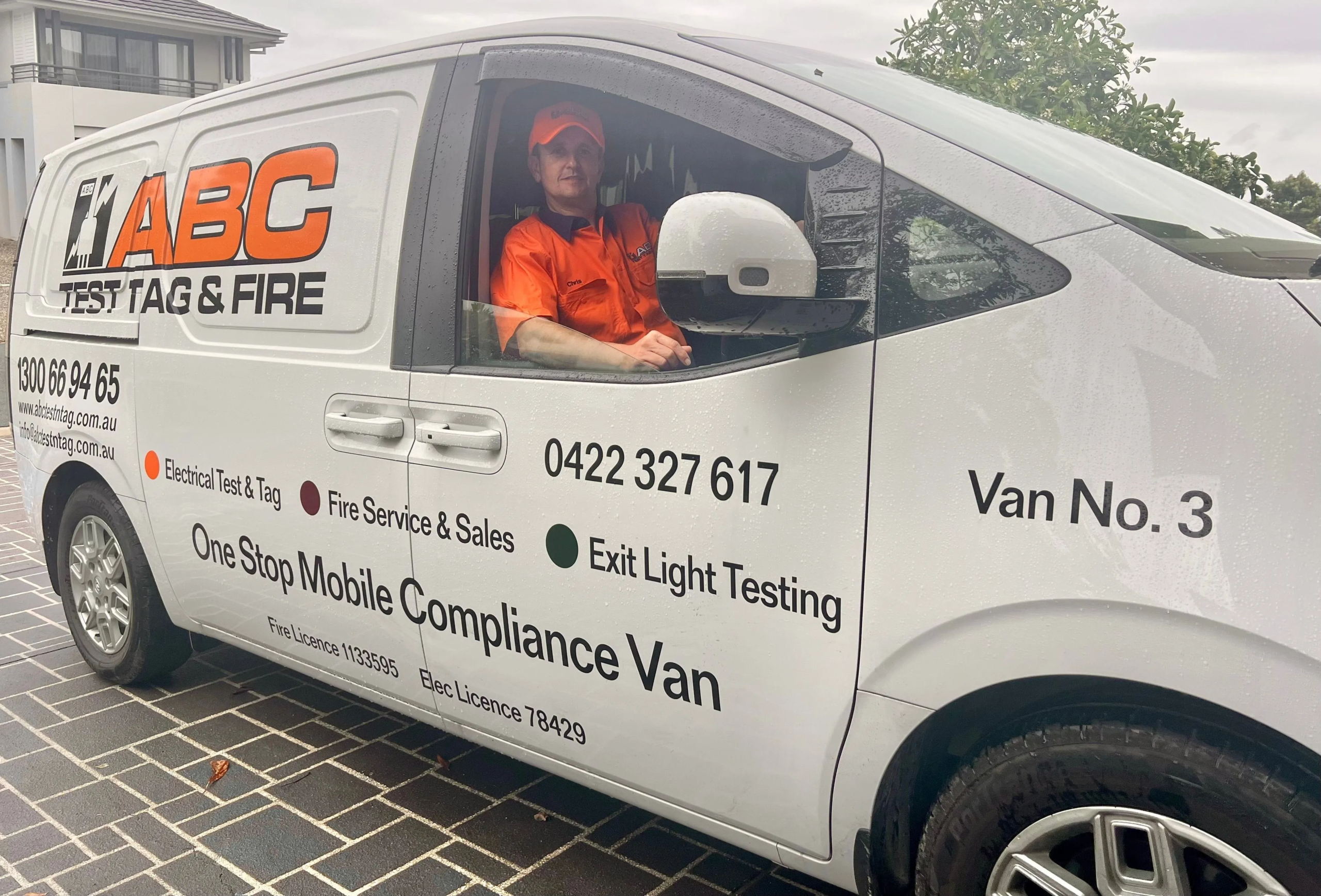
For businesses in Brisbane, Ipswich, Logan, and the Gold Coast regions, ABC Test Tag and Fire provides specialized electrical test and tag services, ensuring compliance and safety in the workplace.
Disadvantages of Professional Services
While professional services offer many advantages, there are also potential downsides to consider.
- Cost Concerns: For small businesses, the expense of hiring professionals can be a significant consideration, especially if budgets are tight.
- Dependence on External Providers: Relying on outside services may lead to delays in testing and tagging, particularly if scheduling conflicts arise.
Advantages of DIY Methods
Conducting test and tag services in-house can provide several benefits for businesses willing to invest the time and resources.
- Cost Savings: By performing testing internally, businesses can save on the costs associated with hiring external professionals.
- Control Over Testing Schedules: In-house testing allows for greater flexibility in scheduling, enabling businesses to conduct tests at their convenience.
Disadvantages of DIY Methods
However, DIY methods come with their own set of risks and challenges.
- Lack of Expertise: Without proper training, employees may overlook critical safety issues, leading to potential hazards.
- Compliance Risks: DIY testing may not adhere to the stringent requirements set forth by safety regulations, increasing the risk of non-compliance.
Conclusion
In summary, while both professional test and tag services and DIY methods have their respective advantages and disadvantages, the choice ultimately depends on the specific needs and capabilities of a business. Professional services enhance safety and compliance, while DIY methods can offer cost savings and flexibility. However, the risks associated with inadequate testing and potential non-compliance should not be underestimated. Businesses are encouraged to weigh these factors carefully and consider engaging with specialists like ABC Test Tag and Fire to ensure the highest standards of electrical safety compliance.
What Is Test and Tag and Why Is It Essential for Workplace Electrical Compliance?
Test and tag services involve the systematic testing of electrical equipment to ensure it meets safety standards. This process is essential for workplace electrical compliance, as it helps prevent potential hazards and ensures that all equipment is functioning safely. Regular testing and tagging are crucial for maintaining a safe working environment and protecting employees from electrical risks.
Legal Requirements

Businesses are legally obligated to comply with the Electrical Safety Act, which mandates regular testing and tagging of electrical equipment. Documentation of these tests is essential, as it serves as proof of compliance and can be critical in the event of an incident.
Understanding the foundational principles behind these legal requirements is crucial for effective compliance.
Electrical Safety Legislation & Compliance Guide
The principal purpose of the legislation containing requirements for electrical safety is to protect people and property from the hazards of electricity. It is therefore important for both safety practitioners and people who work with electricity to understand the legal requirements and their implications.
Electrical safety and the law: a guide to compliance, 2008
Safety Standards
The AS/NZS 3760 outlines the testing requirements for electrical equipment, ensuring that all appliances are regularly inspected and tested for safety. Adhering to these standards is vital for maintaining workplace safety and compliance.
Beyond specific electrical standards, a broader approach to risk management, as outlined in other Australian/New Zealand standards, further reinforces the importance of comprehensive workplace safety.
Workplace Safety & Compliance: AS/NZS 4024 Risk Management
Manufacturing sites inherently involve significant risks due to complex machinery and high-risk operations. This study highlights the importance of comprehensive risk assessments to prevent accidents, protect workers, and ensure compliance with AS/NZS 4024.1–2019 standards and Work Health and Safety (WHS) regulations. It identifies and evaluates critical hazards, including nip, shear, and crush risks, and provides targeted mitigation strategies to address these specific risks. Key measures include rectifying guarding deficiencies through reinstating bypassed guards, extending guards to cover hazardous zones, and integrating interlocking mechanisms. The study also evaluates the adequacy of these solutions, demonstrating their effectiveness in mitigating risks. Additionally, the role of engineering controls in physically restricting access to hazardous areas and the contribution of administrative controls to fostering compliance and awareness are emphasized. These recommendations bridge critical gaps, reflecting the ingenuity of the proposed solutions, significantly reducing machine-related risks, and enhancing workplace safety and operational compliance.
Innovative risk management for machine safety: insights from AS/NZS 4024 standards, M Yazdi, 2019
Potential Risks of Non-Compliance
Failing to comply with electrical safety regulations can lead to severe consequences, including financial penalties and increased risk of accidents. Businesses must prioritize compliance to protect their employees and avoid legal repercussions.
Benefits of Test and Tag Services
Utilizing professional test and tag services offers several key advantages:
- Enhanced Safety for Employees: Regular testing ensures that all equipment is safe for use, reducing the risk of accidents.
- Legal Compliance: Professional services help businesses adhere to safety regulations, protecting them from potential fines and legal issues.
How Does Test and Tag Ensure Electrical Equipment Safety?
Test and tag services ensure electrical equipment safety through a systematic testing process that identifies potential hazards and ensures compliance with safety standards. This proactive approach helps prevent accidents and protects employees.
What Are the Australian Standards Governing Test and Tag Services?
The AS/NZS 3760 specifies the testing requirements for electrical equipment, outlining the legal obligations businesses must follow to ensure safety and compliance.
What Are the Risks and Limitations of DIY Test and Tag?
DIY test and tag methods carry significant risks, including the potential for legal non-compliance and increased accident risks due to lack of expertise. Businesses must carefully consider these factors before opting for in-house testing.
How Do Non-Compliance Penalties Impact Businesses Choosing DIY Test and Tag?
Choosing DIY test and tag methods can lead to substantial fines and legal action if compliance is not met. Businesses must weigh the risks of non-compliance against the potential cost savings of in-house testing.
What Are the Benefits of Professional Test and Tag Services Compared to DIY?
Professional test and tag services offer several advantages over DIY methods, including:
- Cost-Effectiveness in the Long Run: While initial costs may be higher, professional services can prevent costly accidents and legal issues.
- Adherence to Safety Standards: Professionals ensure that all testing is conducted according to the latest regulations, reducing the risk of non-compliance.
How Do Professional Services Ensure Compliance with Queensland Electrical Safety Regulations?
Professional test and tag services ensure compliance with Queensland Electrical Safety Regulations through their expertise in local laws and systematic testing processes that adhere to safety standards.
What Are the Advantages of Certification and Documentation from Commercial Test and Tag Providers?
Certification and documentation from commercial test and tag providers offer legal protection and assurance of compliance. These documents serve as proof that all equipment has been tested and meets safety standards.
How Does Fire Safety Compliance Testing Complement Electrical Test and Tag Services?
Fire safety compliance testing is an integral part of overall workplace safety, complementing electrical test and tag services by ensuring that all safety measures are in place to prevent accidents.
What Fire Safety Regulations Must Businesses in Brisbane and Logan Follow?
Businesses in Brisbane and Logan must comply with AS1851-2012, which outlines the requirements for fire safety compliance, including regular maintenance and testing of fire safety equipment.
How Do Fire Extinguisher Testing and Maintenance Support Workplace Safety?
Regular testing and maintenance of fire extinguishers are crucial for workplace safety, ensuring that all equipment is functional and ready for use in case of an emergency.
What Are the Costs and Processes Involved in Professional Test and Tag Services?
The costs associated with professional test and tag services can vary based on the type of equipment being tested. The process typically includes inspection, testing, and documentation to ensure compliance with safety standards.
How Often Should Electrical Equipment Be Tested and Tagged?
The frequency of testing and tagging depends on the type of equipment. High-risk equipment requires more frequent testing, while low-risk items can be tested less often.
How Can Businesses Request Quotes and Book Services with ABC Test Tag and Fire?
Businesses looking to engage test and tag services should first identify their specific needs before contacting a provider. Scheduling an initial consultation can help clarify requirements and establish a testing schedule.