Professional Test and Tag vs DIY Electrical Safety Testing: Which Is Safer for Your Business?
Electrical safety is a critical concern for businesses, as it directly impacts employee safety and compliance with regulations. Understanding the differences between professional test and tag services and DIY electrical safety testing is essential for business owners. This article will explore the safety, effectiveness, and regulatory compliance of both approaches, helping you make an informed decision for your business. Many companies face the challenge of ensuring their electrical equipment is safe and compliant, and choosing the right method can significantly affect their operational safety and legal standing. We will delve into the benefits of professional services, the risks associated with DIY testing, and the importance of adhering to industry standards.
Comparing Professional Test & Tag and DIY Electrical Safety Testing
Professional test and tag services significantly enhance workplace safety by systematically identifying and mitigating potential electrical hazards. These services employ trained technicians who conduct thorough inspections and testing of electrical equipment, ensuring that all safety protocols are followed. In contrast, DIY electrical safety testing often lacks the rigor and expertise required to identify hidden dangers, which can lead to accidents and injuries. Regular professional testing not only reduces the risk of electrical failures but also fosters a culture of safety within the organization.
Effectiveness:
The effectiveness of professional test and tag services is evident in their systematic approach to electrical safety. Trained professionals utilize advanced testing equipment and methodologies to ensure comprehensive evaluations of electrical devices. DIY methods, on the other hand, can yield inconsistent results due to a lack of standardized procedures and expertise. This inconsistency can lead to undetected issues, increasing the likelihood of equipment failure and safety hazards. By opting for professional services, businesses can ensure that their electrical systems are thoroughly tested and compliant with safety standards.
Regulatory Compliance:
Adhering to regulatory compliance is crucial for businesses to avoid legal repercussions and ensure the safety of their employees. Professional test and tag services guarantee that all testing is conducted according to the relevant Australian Electrical Safety Standards, such as AS/NZS 3760. DIY testing may not meet these stringent requirements, potentially exposing businesses to fines and legal action. Compliance not only protects employees but also enhances the company’s reputation and operational integrity.
What Are Professional Test and Tag Services and Their Compliance Benefits?
Professional test and tag services involve a comprehensive evaluation of electrical equipment to ensure safety and compliance with regulations. These services provide several benefits, including cost savings from preventing accidents, assurance of compliance through expert testing, and risk mitigation by identifying hazards early. By investing in professional services, businesses can avoid costly downtime and legal issues associated with non-compliance.
Industry Standards and Regulatory Requirements
Understanding the industry standards and regulatory requirements governing electrical safety is essential for business owners. The AS/NZS 3760 outlines the testing requirements for electrical equipment, while the Electricity Safety Act mandates employer responsibilities regarding workplace safety. Regular testing frequency is determined by the type of equipment, with high-risk devices requiring more frequent evaluations. Compliance with these standards not only protects employees but also minimizes the risk of penalties.
Risk Mitigation Strategies
Implementing effective risk mitigation strategies is vital for maintaining electrical safety in the workplace. Key strategies include:
- Establishing Routine Testing: Regularly scheduled testing ensures that all electrical equipment is evaluated for safety and compliance.
- Maintaining Accurate Documentation: Keeping detailed records of testing and maintenance activities helps demonstrate compliance and identify potential issues.
- Engaging Certified Professionals: Hiring qualified technicians ensures that testing is conducted according to industry standards and best practices.
These strategies collectively contribute to a safer work environment and reduce the likelihood of electrical incidents.
Conclusion
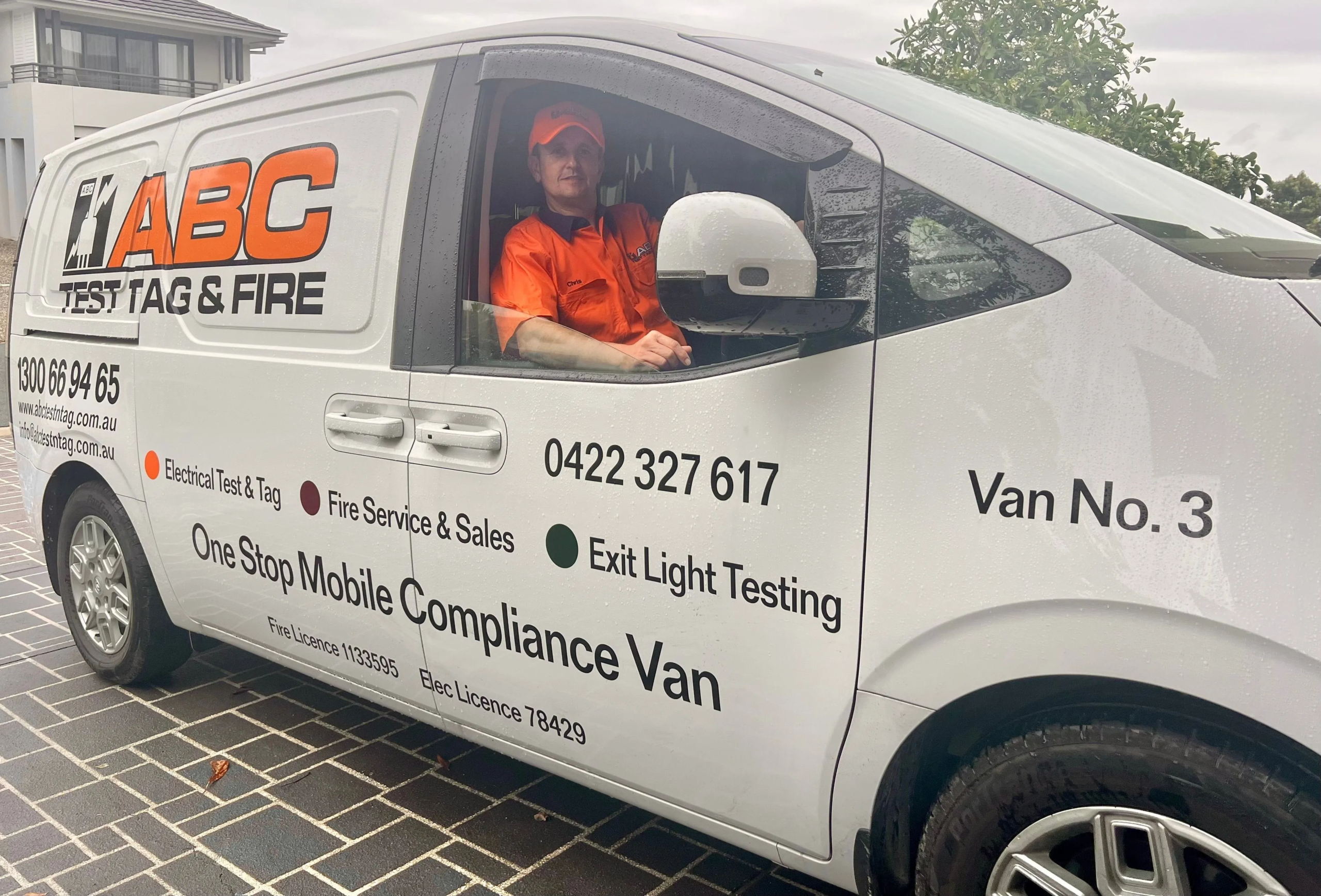
In conclusion, professional test and tag services offer significant advantages over DIY electrical safety testing. They enhance workplace safety, ensure regulatory compliance, and provide effective risk mitigation strategies. For businesses looking to prioritize safety and compliance, engaging a professional service provider is a prudent choice. ABC Test Tag and Fire specializes in electrical and fire safety compliance, serving clients in Brisbane, Ipswich, and the Gold Coast. By choosing local certified providers like ABC Test Tag and Fire, businesses can benefit from their expertise and commitment to safety.
How Do Certified Technicians Ensure Workplace Electrical Safety?
Certified technicians play a crucial role in ensuring workplace electrical safety through their training and adherence to safety standards. They follow systematic testing processes that include visual inspections and functional testing of electrical equipment. This thorough approach helps identify potential hazards and ensures that all equipment meets the necessary safety requirements.
Indeed, the implementation of robust electrical safety authorities and rigorous testing protocols are essential for managing the inherent risks of electrical work.
Professional Electrical Testing & Certification
implementing an electrical safety authority (ESA) at a global testing, inspection, and certification (TIC) organization, and the challenges associated with hazardous electrical testing. Laboratory employees are engaged in testing a variety of electrical products, systems, and components, often involving high voltages and currents.
Implementation of an Electrical Safety Authority at a Global Testing, Inspection and Certification (TIC) Organization, 2025
What Australian Electrical Safety Standards Govern Test and Tag Services?
The Australian Electrical Safety Standards, particularly AS/NZS 3760, govern the test and tag services. These standards outline the requirements for testing and tagging electrical equipment to ensure safety and compliance. The Electricity Safety Act also mandates that employers take responsibility for maintaining a safe work environment, which includes regular testing of electrical devices.
What Are the Risks and Limitations of DIY Electrical Safety Testing?

DIY electrical safety testing poses several risks and limitations, including:
- Legal Compliance Issues: DIY testing may not meet the legal requirements set forth by regulatory bodies, exposing businesses to fines.
- Safety Hazards from Improper Testing: Without proper training, individuals may overlook critical safety issues, leading to accidents.
- Inconsistent Results from DIY Methods: The lack of standardized procedures can result in unreliable testing outcomes, increasing the risk of equipment failure.
These factors highlight the importance of relying on professional services for electrical safety testing.
Further emphasizing these dangers, research indicates that non-compliance with electrical codes and improper DIY practices significantly contribute to electrical hazards.
Electrical Hazards & DIY Non-Compliance Risks
electrical safety practices, which can put individuals at risk. Some respondents even reported using homemade extension work and non-compliance with local electrical codes might lead to electrical hazards.
Invisible threats: An investigation of electrical hazards and safety practices among residential electricity consumers, F Kulor, 2024
How Does DIY Testing Increase Non-Compliance and Safety Hazards?
DIY testing can lead to non-compliance and safety hazards due to several factors:
- Lack of Expertise in DIY Testing: Individuals without proper training may not recognize potential hazards or understand testing protocols.
- Improper Testing Procedures: DIY methods often lack the rigor of professional testing, leading to incomplete evaluations.
- Inconsistent Documentation: Without a standardized approach, documentation may be inadequate, making it difficult to demonstrate compliance.
These issues underscore the risks associated with DIY testing and the importance of professional services.
What Common Mistakes Do Businesses Make with DIY Test and Tag?
Businesses often make several common mistakes when attempting DIY test and tag, including:
- Lack of Professional Training: Employees may not have the necessary skills to conduct thorough testing.
- Inadequate Documentation: Failing to maintain proper records can lead to compliance issues.
- Ignoring Frequency Guidelines: Businesses may not adhere to recommended testing frequencies, increasing the risk of equipment failure.
These mistakes can have serious implications for workplace safety and compliance.
What Are the Legal Requirements for Workplace Electrical Compliance in Australia?

The legal requirements for workplace electrical compliance in Australia are outlined in the Electricity Safety Act and AS/NZS 3760. Employers are mandated to ensure that all electrical equipment is tested and tagged according to these standards. Compliance is enforced by regulatory agencies, and failure to adhere to these requirements can result in significant penalties.
How Often Must Electrical Equipment Be Tested and Tagged?
The frequency of testing and tagging electrical equipment depends on the type of equipment and its usage. High-risk equipment typically requires more frequent testing, while general equipment is usually tested annually. Adhering to AS/NZS 3760 is essential for maintaining compliance and ensuring workplace safety.
What Are the Penalties for Non-Compliance with Electrical Safety Regulations?
Penalties for non-compliance with electrical safety regulations can be severe, with fines varying by jurisdiction and potentially exceeding $1 million. Legal action may be taken against businesses that fail to comply, and the increased risk of accidents without compliance can lead to further liabilities. Ensuring adherence to safety regulations is crucial for protecting both employees and the business.
The financial and legal ramifications of neglecting electrical safety are substantial, underscoring the importance of adhering to workplace safety regulations.
Workplace Electrical Safety Regulations & Employer Costs
Legal aspects, for example, can be very costly to an employer. The electrical safety requirements mandated by OSHA provide safety regulations for electrical safety in the workplace.
Electrical Safety in the Workplace, 2005
How Do Professional Test and Tag Services Enhance Fire Safety Compliance?
Professional test and tag services enhance fire safety compliance by ensuring that all electrical equipment is regularly tested and maintained. This proactive approach helps prevent costly accidents and ensures that businesses meet their legal obligations. Compliance assurance reduces the risk of penalties and enhances overall workplace safety.
What Fire Safety Compliance Services Complement Electrical Testing?
Fire safety compliance services that complement electrical testing include:
- Visual Inspections: Regular visual checks of electrical equipment help identify potential hazards.
- Electrical Testing: Comprehensive testing ensures that all equipment meets safety standards.
- Documentation: Maintaining accurate records is essential for audits and compliance verification.
These services work together to create a comprehensive safety strategy.
How Does ABC Test Tag and Fire Ensure Comprehensive Workplace Safety?
ABC Test Tag and Fire ensures comprehensive workplace safety through thorough inspections and testing of electrical equipment. The company adheres to AS/NZS 3760 standards and conducts regular maintenance and inspections to identify potential hazards. Their commitment to safety and compliance makes them a trusted partner for businesses in Brisbane, Ipswich, and the Gold Coast.
What Are the Cost and Long-Term Benefits of Choosing Professional Test and Tag Over DIY?
Choosing professional test and tag services over DIY offers several cost and long-term benefits, including:
- Cost Savings from Preventing Accidents: Investing in professional services can prevent costly accidents and downtime.
- Avoiding Fines through Compliance: Ensuring compliance with regulations helps businesses avoid significant penalties.
- Long-Term Benefits of Enhanced Safety: A commitment to safety fosters a positive workplace culture and improves employee morale.
These benefits highlight the value of professional services in maintaining electrical safety.
How Does Professional Testing Prevent Fines and Reduce Workplace Incidents?
Professional testing prevents fines and reduces workplace incidents by ensuring compliance with safety regulations. Thorough testing identifies hazards before they lead to accidents, and proper documentation provides legal protection. By investing in professional services, businesses can create a safer work environment and mitigate the risk of legal repercussions.
What Is the Return on Investment for Professional Electrical Safety Services?
The return on investment for professional electrical safety services is significant, as regular testing leads to cost savings from preventing accidents and ensuring compliance. Additionally, enhanced safety contributes to better employee morale and productivity. Businesses that prioritize electrical safety through professional services can expect long-term benefits that outweigh the initial costs.
How Can Businesses Choose the Right Test and Tag Provider?
When choosing a test and tag provider, businesses should consider the following criteria:
- Check Qualifications and Certifications: Ensure that the provider has the necessary qualifications and certifications to conduct testing.
- Look for Experience and Reputation: Research the provider’s experience in the industry and their reputation among clients.
- Evaluate Service Offerings and Costs: Compare the services offered and their costs to find a provider that meets your needs.
These criteria will help businesses select a reliable and effective test and tag provider.
What Criteria Should Be Used to Evaluate Test and Tag Service Providers?
To evaluate test and tag service providers, businesses should consider:
- Qualifications and Certifications: Verify that the provider is certified and qualified to perform testing.
- Experience and Reputation: Assess the provider’s experience in the industry and their reputation among clients.
- Service Offerings and Compliance: Ensure that the provider offers comprehensive services that meet regulatory compliance.
These criteria will help businesses make informed decisions when selecting a provider.
Why Choose Local Certified Providers Like ABC Test Tag and Fire?
Choosing local certified providers like ABC Test Tag and Fire offers several advantages, including:
- Local Knowledge of Regulations: Local providers are familiar with regional regulations and compliance requirements.
- Quick Response Times and Reliability: Local providers can respond quickly to service requests, ensuring timely testing and compliance.
- Comprehensive Solutions for Safety: Local providers often offer a range of services that address both electrical and fire safety needs.
These benefits make local certified providers an excellent choice for businesses seeking reliable test and tag services.