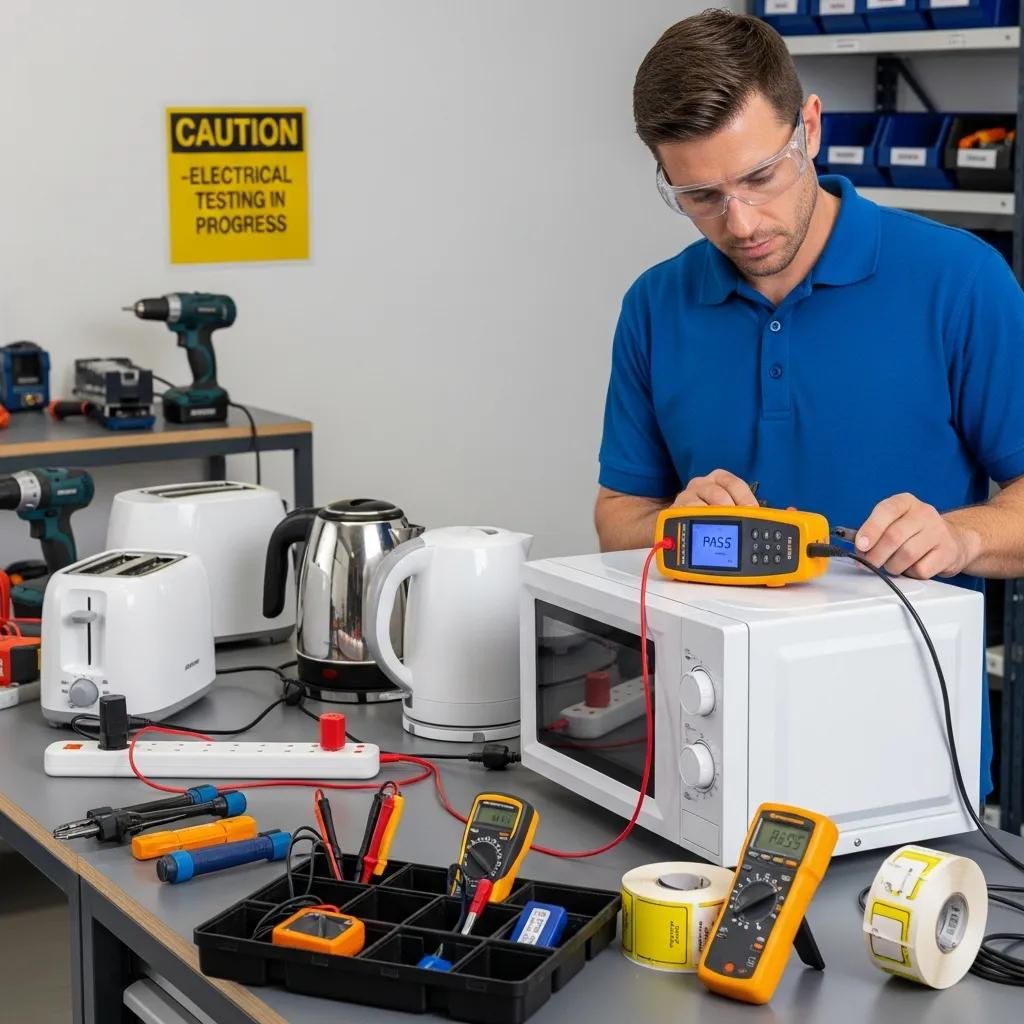
Electrical Safety Compliance: Test & Tag in Ipswich East
In Ipswich East, ensuring electrical safety compliance is paramount for businesses to protect their employees and customers. Test and Tag services play a crucial role in this process, providing systematic checks and certifications for electrical equipment. This article will delve into the significance of Test and Tag services, the legal requirements surrounding them, and how businesses can maintain compliance effectively. Readers will learn about the testing intervals, consequences of non-compliance, and the integration of fire safety inspections with electrical testing. By understanding these aspects, Ipswich East businesses can safeguard their operations and enhance workplace safety.
What is Test and Tag and Why is it Essential for Ipswich East Businesses?
Test and Tag refers to the process of inspecting and certifying electrical appliances to ensure they meet safety standards. This procedure is essential for Ipswich East businesses as it helps prevent electrical hazards, ensuring compliance with safety regulations. Regular testing not only protects employees and customers but also minimizes the risk of costly accidents and legal repercussions. By implementing Test and Tag services, businesses can demonstrate their commitment to safety and compliance, fostering a secure working environment.
Legal Requirements and Australian Standards for Electrical Safety Compliance

Understanding the legal framework surrounding electrical safety is crucial for businesses in Ipswich East. The Electrical Safety Act mandates that all electrical equipment must be tested and tagged to ensure compliance with safety standards. Key Australian standards, such as AS/NZS 3760, outline the requirements for testing and tagging procedures. Compliance with these regulations is not just a legal obligation; it also serves to protect the well-being of employees and customers alike.
This table highlights the critical standards that govern electrical safety compliance, emphasizing the importance of adhering to these regulations.
How Often Should Electrical Equipment be Tested and Tagged in Ipswich East?
The frequency of testing and tagging electrical equipment is determined by several factors, including the type of equipment and its usage. Generally, high-risk equipment should be tested more frequently than general equipment. For instance, portable appliances used in high-usage environments may require testing every three months, while others may only need annual checks. Understanding these intervals is vital for maintaining compliance and ensuring safety.
Recommended Testing Intervals for Different Equipment Types
Different types of electrical equipment have varying testing requirements. Here are some recommended intervals:
- General Equipment: Annual testing is typically sufficient for most general-use appliances.
- High-Risk Equipment: Equipment used in high-risk environments should be tested every three to six months.
- Construction Equipment: Testing should occur every three months to ensure safety on job sites.
These intervals help businesses manage their compliance effectively while ensuring the safety of their operations.
Consequences of Non-Compliance with Testing Schedules
Failing to comply with testing schedules can lead to severe consequences for businesses. Legal repercussions may include fines and penalties, while safety risks can result in accidents and injuries. Additionally, non-compliance can lead to financial implications, such as increased insurance premiums and potential lawsuits. Therefore, adhering to testing schedules is not only a legal requirement but also a critical aspect of risk management.
What Does the Portable Appliance Testing Process Involve in Ipswich East?
The Portable Appliance Testing (PAT) process involves several key steps to ensure electrical safety. Initially, a visual inspection is conducted to identify any obvious defects. Following this, electrical testing is performed to assess the appliance’s safety. Finally, compliant equipment is tagged with a label indicating the testing date and the next due date for testing. This systematic approach ensures that all appliances are safe for use and compliant with regulations.
How Can Ipswich East Businesses Ensure Fire Safety Compliance Alongside Electrical Testing?
Integrating fire safety compliance with electrical testing is essential for comprehensive safety management. Businesses should ensure that fire safety inspections are conducted alongside Test and Tag services. This integration helps identify potential fire hazards related to electrical equipment and ensures that all safety measures are in place. Regular training for employees on fire safety protocols is also crucial in maintaining a safe working environment.
Integration of Fire Safety Inspections with Test and Tag Services

Combining fire safety inspections with Test and Tag services offers several benefits. This approach allows businesses to streamline their compliance processes, reducing the time and resources spent on separate inspections. Additionally, it ensures that all safety measures are coordinated, providing a comprehensive safety strategy. Scheduling inspections together can also enhance employee awareness and training regarding safety protocols.
Benefits of Bundled Electrical and Fire Safety Compliance Services
Utilizing bundled services for electrical and fire safety compliance can provide significant advantages for businesses. These benefits include:
- Comprehensive Coverage: Bundled services ensure that all aspects of safety compliance are addressed.
- Cost-Effectiveness: Businesses can save on costs by opting for combined services rather than separate inspections.
- Convenience: Working with a single provider simplifies scheduling and documentation processes.
By choosing bundled services, Ipswich East businesses can enhance their safety compliance while optimizing their resources.
What Are the Costs and Booking Procedures for Test and Tag Services in Ipswich East?
The costs associated with Test and Tag services can vary based on the number of appliances and the complexity of the testing required. Generally, businesses can expect transparent pricing structures that outline the costs involved. Booking procedures typically involve contacting a service provider to schedule an appointment, during which a qualified technician will conduct the necessary tests. Understanding these procedures helps businesses plan their compliance efforts effectively.
What Common Questions Do Ipswich East Businesses Have About Test and Tag?
Ipswich East businesses often have several common questions regarding Test and Tag services, including:
- How often should I test my equipment?: Testing frequency depends on the type of equipment and its usage.
- What happens if I fail to comply?: Non-compliance can lead to legal repercussions and safety risks.
- Can I perform my own testing?: Professional testing is recommended to ensure compliance with safety standards.
These questions highlight the importance of understanding the Test and Tag process and its implications for business operations.
Can Businesses Perform Their Own Test and Tag?
While some businesses may consider performing their own Test and Tag, it is essential to recognize the limitations of this approach. Legal requirements often stipulate that testing must be conducted by qualified professionals to ensure compliance. Additionally, the risks associated with improper testing can lead to safety hazards and legal issues. Therefore, engaging professional services is crucial for maintaining compliance and ensuring safety.
How to Interpret Test and Tag Compliance Reports
Understanding Test and Tag compliance reports is vital for businesses to assess their safety status. Key metrics to look for include the testing date, the next due date, and any identified issues that require attention. Compliance reports provide actionable insights that can help businesses address potential safety concerns and maintain their compliance status effectively.