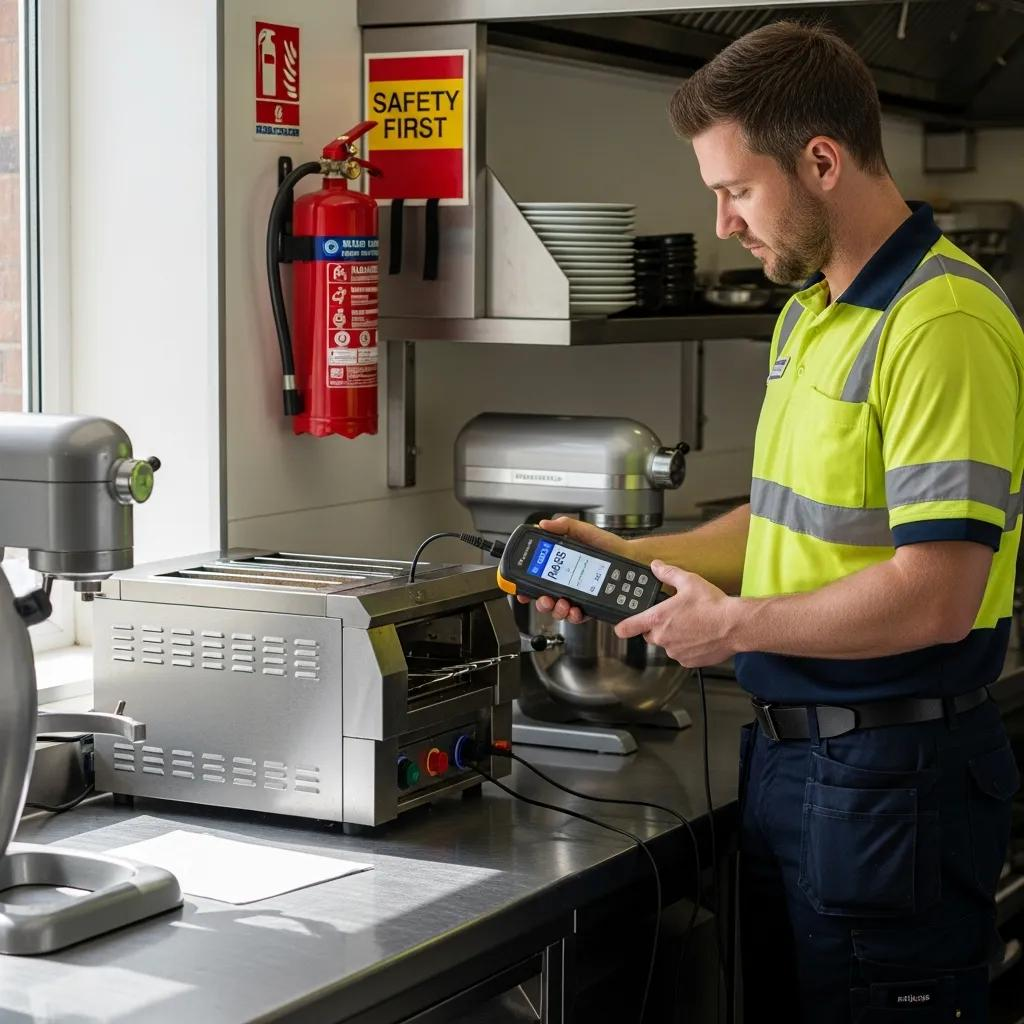
Ripley Test & Tag: Ensuring Electrical & Fire Safety Compliance
In the bustling community of Ripley, ensuring the safety of electrical appliances and fire safety compliance is paramount for businesses and residents alike. This article delves into the essential services of test and tag, a critical process that guarantees electrical safety and compliance with regulatory standards. Readers will learn about the various service offerings, regulatory requirements, best practices, and the consequences of non-compliance. Additionally, we will explore the importance of electrical test and tag services in Ripley, including the mechanisms behind portable appliance testing and the integration of fire safety compliance.
Understanding the nuances of these services is vital for maintaining a safe environment, and this guide will provide a comprehensive overview of what businesses need to know. We will also discuss how to access transparent pricing and the common questions clients have regarding test and tag services.
Service Offerings
Test and tag services encompass a range of offerings designed to ensure electrical safety and compliance. These services include:
- Electrical Test and Tag: This involves inspecting and tagging electrical appliances to confirm they meet safety standards.
- Fire Safety Services: Comprehensive fire safety checks, including the inspection of fire extinguishers and smoke alarms.
- RCD Testing: Regular testing of Residual Current Devices (RCDs) to ensure they function correctly and provide necessary protection.
These services are crucial for businesses to maintain compliance with safety regulations and protect their employees and customers.
Regulatory Requirements

Compliance with regulatory standards is essential for any business operating in Ripley. The primary regulations governing electrical safety include the Australian Standards AS/NZS 3760, which outlines the requirements for testing and tagging electrical equipment.
Understanding the broader context of electrical safety regulation in Australia provides valuable insight into the foundational principles guiding local compliance efforts.
Australian Electrical Safety Regulation Structure
, Tasmania, the Northern Territory and the Australian Capital Territory electrical safety regulation was originally separated from commercial activities and lodged in the department/
Utility regulation—The scope and structure of electrical safety regulation, 2011
Understanding these requirements helps businesses avoid legal penalties and ensures a safe working environment.
Best Practices for Businesses
To maintain compliance and ensure safety, businesses should adopt the following best practices:
- Regular Testing: Schedule routine testing of all electrical appliances to ensure ongoing compliance.
- Certified Technicians: Employ qualified professionals to conduct test and tag services, ensuring adherence to safety standards.
- Documentation: Keep detailed records of all testing and tagging activities to demonstrate compliance during inspections.
Implementing these practices not only enhances safety but also builds trust with customers and employees.
Consequences of Non-Compliance
Failing to comply with safety regulations can lead to severe consequences for businesses. These include:
- Legal Penalties: Non-compliance can result in fines and legal action from regulatory bodies.
- Increased Risk of Accidents: Unsafe electrical equipment can lead to accidents, injuries, or even fatalities.
- Financial Implications: The costs associated with accidents, legal fees, and potential lawsuits can be substantial.
Understanding these risks underscores the importance of adhering to safety regulations.
Further emphasizing the critical role of comprehensive safety measures, research highlights the universal importance of robust OHS rules and risk management strategies in any workplace.
Workplace Safety & Compliance: OHS Rules & Risk Management
OHS rules are essential for workplace safety and compliance. This study examines HRM in OHS, combining with previous studies and provides practical advice. Based on earlier research, HRM’s OHS role includes administrative activities, policy formulation, training, risk management, and enforcement. Researcher emphasize HRM’s universal role in workplace safety across industries and organizations by connecting with research. Comparative investigation shows that HRM is essential to workplace safety and OSHA compliance across industries.
Strengthening Workplace Safety: A Comprehensive Review and Enhancement Strategy for Alba’s
Occupational Health and Safety Policies, A Ateeq, 2024
What is Electrical Test and Tag and Why is it Essential in Ripley?
Electrical test and tag is a process that involves inspecting and tagging electrical appliances to ensure they meet safety standards. This process is essential for several reasons:
- Safety Assurance: Regular testing helps identify potential hazards before they cause harm.
- Legal Compliance: Adhering to testing requirements ensures compliance with local regulations.
- Risk Mitigation: By identifying faulty equipment, businesses can reduce the risk of electrical fires and accidents.
Understanding Portable Appliance Testing and Electrical Equipment Tagging in Ripley
Portable appliance testing (PAT) involves a series of inspections and tests to ensure that electrical appliances are safe to use. This includes visual inspections, insulation resistance tests, and functional tests. Each appliance is then tagged with a label indicating its testing status, which is crucial for compliance and safety.
How Test and Tag Services Ensure Workplace Electrical Safety Compliance
Test and tag services play a vital role in ensuring workplace electrical safety compliance by systematically identifying and addressing potential hazards. These services help businesses meet their legal obligations while fostering a culture of safety within the workplace.
How Does the Electrical Test and Tag Process Work in Ripley?
The electrical test and tag process typically involves several key steps:
- Initial Consultation: Assessing the specific needs of the business and determining the scope of testing required.
- Visual Inspection: Checking appliances for any visible signs of damage or wear.
- Testing and Tagging: Conducting the necessary tests and applying tags to indicate compliance.
Step-by-Step Electrical Safety Inspection Procedures
The inspection procedures for electrical safety include:
- Visual Checks: Inspecting cords, plugs, and appliances for damage.
- Testing: Performing insulation resistance and earth continuity tests.
- Documentation: Recording results and tagging appliances accordingly.
These steps ensure that all equipment is safe for use and compliant with regulations.
Compliance with Australian Standards AS/NZS 3760 in Testing and Tagging
Compliance with AS/NZS 3760 is critical for businesses in Ripley. This standard outlines the requirements for testing and tagging electrical equipment, including the frequency of testing based on the type of equipment and its usage. Adhering to these standards not only ensures safety but also protects businesses from legal repercussions.
What Fire Safety Compliance Services are Available in Ripley?

Fire safety compliance services are essential for protecting lives and property. These services include:
- Fire Extinguisher Services: Regular inspection and maintenance of fire extinguishers to ensure they are operational.
- Emergency Lighting Testing: Ensuring that emergency lighting systems function correctly during power outages.
- Fire Blanket Services: Providing and maintaining fire blankets for use in emergencies.
These services help businesses comply with fire safety regulations and enhance overall safety.
Overview of Fire Safety Inspections and Regulatory Requirements
Fire safety inspections involve assessing the effectiveness of fire safety measures in place, including the functionality of alarms, extinguishers, and emergency exits. Compliance with local fire safety regulations is mandatory to ensure the safety of occupants.
Integrating Fire Safety Compliance with Electrical Testing Services
Integrating fire safety compliance with electrical testing services creates a comprehensive safety strategy. By addressing both electrical and fire safety, businesses can ensure a safer environment for employees and customers.
What are the Legal Requirements and Workplace Safety Regulations in Queensland?
In Queensland, businesses must adhere to several legal requirements regarding workplace safety. These include:
- Electrical Safety Act 2002: Mandates compliance with safety standards for electrical equipment.
- AS/NZS 3760: Specifies testing and tagging requirements for electrical appliances.
- Work Health and Safety Act 2011: Establishes the duty of care for employee safety.
Key Workplace Electrical Testing Obligations for Ripley Businesses
Businesses in Ripley have specific obligations regarding electrical testing, including:
- Regular Testing: Ensuring all electrical equipment is tested at required intervals.
- Documentation: Maintaining records of testing and compliance for inspections.
- Employee Training: Providing training on the importance of electrical safety and compliance.
Understanding Fire Safety Legislation and Compliance Standards
Fire safety legislation outlines the requirements for fire safety measures in workplaces. Compliance with these standards is essential for protecting lives and property, and businesses must stay informed about any changes in legislation.
How Can Businesses in Ripley Access Transparent Pricing and Book Test and Tag Services?
Accessing transparent pricing for test and tag services is crucial for businesses. Many service providers offer clear pricing structures, allowing businesses to budget effectively for compliance needs. Booking these services can often be done online or through direct consultation with service providers.
What Frequently Asked Questions Do Ripley Clients Have About Test and Tag?
Clients often have several questions regarding test and tag services, including:
- How Often Should Electrical Equipment be Tested and Tagged?: Generally, electrical equipment should be tested annually, but high-risk equipment may require more frequent testing.
- What are the Consequences of Non-Compliance with Safety Regulations?: Non-compliance can lead to legal penalties, increased risk of accidents, and financial implications for businesses.
How Often Should Electrical Equipment be Tested and Tagged?
The frequency of testing and tagging depends on the type of equipment and its usage. Most equipment should be tested annually, while high-risk items may need more frequent checks to ensure safety.
What are the Consequences of Non-Compliance with Safety Regulations?
Failing to comply with safety regulations can result in significant legal and financial consequences, including fines, increased liability, and potential harm to employees and customers. Understanding these risks is essential for maintaining a safe and compliant workplace.