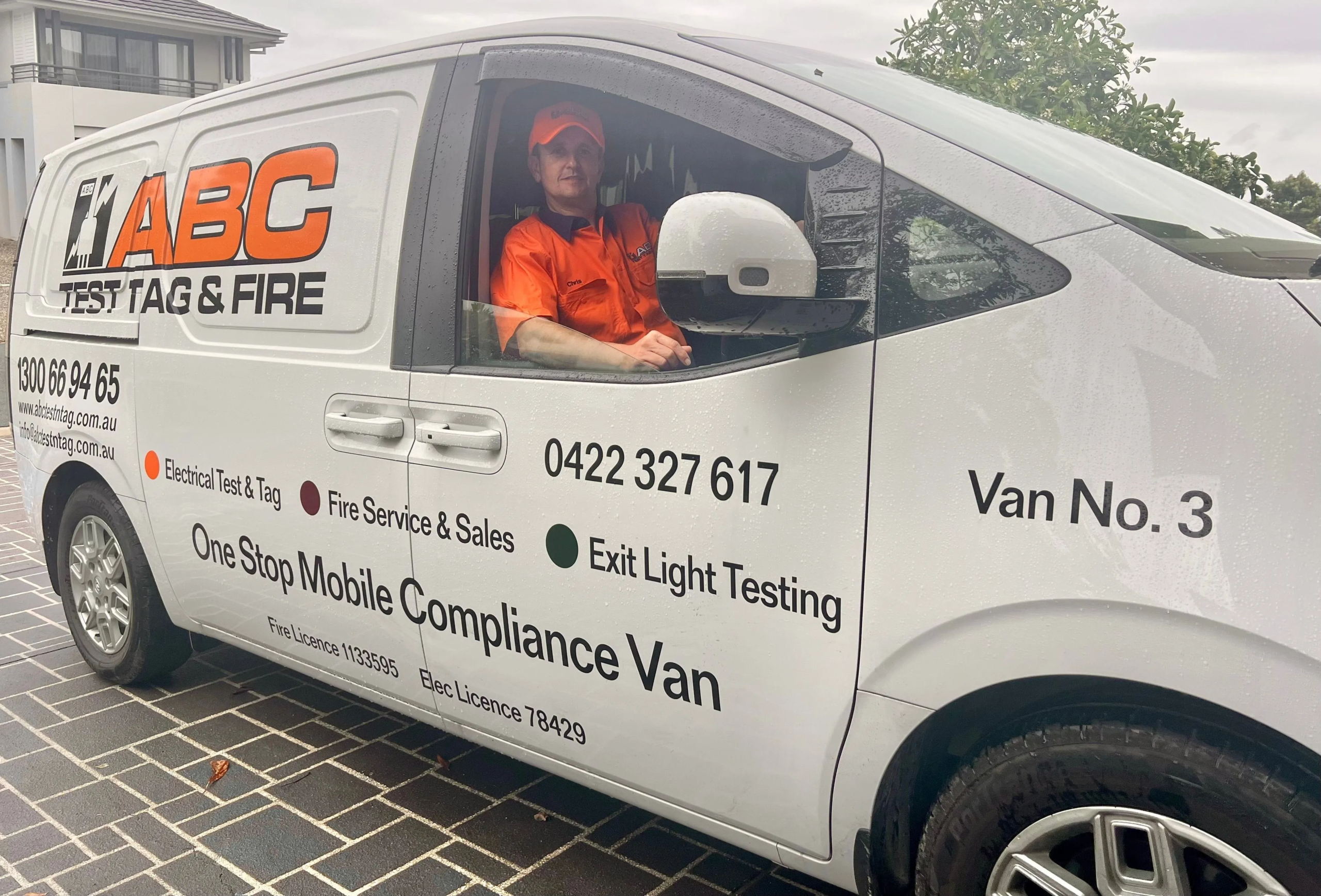
Prioritizing Electrical Compliance for Brisbane Workplaces
By Chris Shelford, ABC Test Tag & Fire
In Brisbane, the importance of electrical compliance testing cannot be overstated. It plays a crucial role in ensuring workplace safety by adhering to legal standards and mitigating risks associated with electrical hazards. Through this guide, businesses will learn why regular electrical compliance testing is essential for their operational integrity and employee well-being. Complying with the Electrical Safety Act 2002 and relevant Australian standards is not just a legal obligation; it is a commitment to fostering a safe working environment. This article will explore the legal requirements, risk mitigation strategies, the impact on employee well-being, and the specific regulations governing electrical compliance in Brisbane.
Legal Requirements
Understanding the legal framework surrounding electrical compliance is foundational for any Brisbane business. The Electrical Safety Act 2002 necessitates that workplaces implement electrical safety standards to protect employees and clients alike from potential electrical hazards. Compliance is crucial, as failure to adhere to these regulations can result in severe penalties, including fines and operational shutdowns. Regular compliance testing ensures that electrical systems are maintained to these legal standards, helping businesses to avoid the repercussions associated with non-compliance.
Electrical Safety Act 2002
The Electrical Safety Act 2002 outlines the responsibilities of employers to ensure electrical safety in the workplace. It mandates that all electrical equipment be tested and maintained correctly to prevent workplace accidents and injuries. This legislation aims not only to protect workers but also to promote a culture of safety in workplaces across Brisbane.
Consequences of Non-Compliance
Non-compliance with electrical safety regulations can lead to significant risks. Businesses may face monetary fines, litigation, or even closure due to unsafe practices. These penalties highlight the necessity for regular compliance testing and inspections, emphasizing that safety should be a priority rather than an afterthought.
Frequent Testing Requirements
To maintain compliance, it is recommended that electrical testing occurs at specific intervals based on the type of equipment and its usage. Regular inspections enable businesses to identify any emerging faults before they result in accidents, thus reinforcing the importance of timely electrical compliance testing.
Risk Mitigation Strategies

Implementing effective risk mitigation strategies is paramount in preventing electrical failures and accidents within Brisbane businesses. Regular compliance testing helps to identify potential hazards before they escalate into serious issues. By maintaining a proactive approach to electrical safety, businesses can minimize the occurrence of electrical-related incidents.
Identifying Potential Hazards
One of the primary objectives of electrical compliance testing is to identify potential hazards that may pose a risk to employees. Common issues include faulty wiring, outdated equipment, and lack of proper safety devices. Each of these hazards represents a significant risk to workplace safety and must be addressed swiftly.
Proactive Inspection Benefits
Regular inspections not only help in identifying hazards but also promote a culture of safety and responsibility among employees. When staff members see that their safety is prioritized, it enhances morale and overall job satisfaction. Consequently, businesses that engage in proactive inspection practices often cultivate a more motivated workforce.
Cost Savings from Avoidance of Incidents
Investing in electrical compliance testing can lead to substantial cost savings. By preventing electrical incidents, businesses avoid costly downtime and potential legal ramifications arising from accidents. Prioritizing safety through rigorous compliance testing creates a safer environment and is often more cost-effective in the long term.
Impact on Employee Well-Being
Electrical safety directly correlates with employee well-being. A safe working environment fosters higher morale and enhances productivity. When workers trust that their workplace prioritizes their safety, it can lead to increased job satisfaction and performance.
Safety Improves Morale
Employees feel more secure in their work environment when safety measures, such as regular compliance testing, are visibly integrated into company culture. This sense of security translates into improved morale, making employees more willing to engage with their work.
Reduction of Workplace Injuries
By ensuring that electrical systems are safe and compliant, the likelihood of workplace injuries significantly decreases. Regular testing eliminates many common hazards and provides peace of mind to both management and employees.
Enhancing Company Reputation
Businesses that prioritize compliance not only protect their employees but enhance their overall reputation. Organizations known for maintaining high safety standards attract quality talent and gain the trust of clients and stakeholders. A solid reputation can serve as a competitive advantage in attracting and retaining top talent in Brisbane’s workforce.
What Are the Brisbane Electrical Compliance Regulations Governing Workplace Safety?
Several specific regulations pertain to electrical safety in Brisbane to ensure that workplaces operate within safety parameters established by law. Understanding these regulations is crucial for compliance and operational integrity.
Overview of Local Regulations
Brisbane’s electrical compliance regulations are designed to align with national safety standards. These regulations provide a comprehensive framework for electrical safety and include guidelines on installation, maintenance, and periodic testing of electrical systems.
Importance of Compliance
Compliance with local regulations helps to minimize risks and enhances the overall safety of the working environment. It also protects employers from legal complications that can arise from negligence or non-compliance.
Regulatory Bodies Involved
Various regulatory bodies oversee electrical safety standards, including the Electrical Safety Office and Safe Work Australia. These organizations play a significant role in developing and enforcing regulations that ensure workplaces remain compliant with safety expectations.
Which Australian Standards Apply to Electrical Safety Testing in Brisbane?
Brisbane businesses must adhere to specific Australian standards to maintain electrical safety. These include standards that outline testing requirements and safety measures pertinent to various types of electrical equipment.
These standards are designed to ensure that electrical systems are safe for use, helping businesses in Brisbane maintain compliance while promoting safety.
How Does Queensland Occupational Health and Safety Legislation Impact Electrical Compliance?
Queensland’s Occupational Health and Safety (OHS) legislation plays a pivotal role in guiding electrical compliance in businesses.
Overview of the OH&S Legislation
The OHS legislation mandates that employers take reasonable steps to ensure the health and safety of their employees while at work. This includes addressing potential electrical hazards and ensuring that all electrical components are safe for use.
Impact on Businesses
Businesses must be aware of their obligations under this legislation to avoid legal repercussions and ensure workplace safety. Regular electrical compliance testing forms part of fulfilling these legislative responsibilities.
Mandatory Requirements for Electrical Testing
Employers are required to perform regular safety checks and maintenance on electrical systems as part of their OHS obligations. Failure to do so could result in harsh penalties and increased risk of workplace incidents.
How Does Electrical Compliance Testing Mitigate Risks for Brisbane Commercial Enterprises?
Regular electrical compliance testing provides significant risk mitigation benefits for commercial enterprises in Brisbane.
Reduce Electrical Hazards
Testing helps identify and rectify electrical hazards before they pose a risk to employees, significantly enhancing workplace safety. By maintaining compliance, businesses can avoid costly electrical failures that could disrupt operations.
Avoid Legal Penalties
Compliance testing reduces the risk of incurring legal penalties associated with non-compliance with safety regulations. By adhering to testing protocols, companies can safeguard against potential lawsuits stemming from workplace accidents.
Protect Employee Safety
Ultimately, the primary objective of compliance testing is to protect employee safety. By identifying hazards and ensuring systems are up to standard, businesses can foster a secure working environment that prioritizes the well-being of their workforce.
What Are the Common Electrical Hazards Identified Through Compliance Inspections?

Understanding common electrical hazards is essential for effective risk management in the workplace. Compliance inspections typically reveal several recurring issues.
Faulty Wiring
Faulty wiring is a common hazard that can lead to significant electrical failures or fires if left unaddressed. Inspections focus on identifying compromised wiring systems that may endanger safety.
Malfunctioning Equipment
Outdated or poorly maintained equipment can malfunction, creating dangerous situations. Regular inspections help catch these issues before they result in accidents.
Inadequate Safety Devices
The absence of proper safety devices, such as circuit breakers and fuses, can increase the risk of electrical hazards. Compliance testing ensures that all necessary safety measures are implemented and functional.
How Frequent Are Electrical Safety Inspections Required to Maintain Compliance?
Frequency of electrical safety inspections is determined by various factors, including the type of equipment and the workplace environment.
Testing Intervals Based on Equipment Type
Different types of equipment may require varying testing intervals. Generally, high-use equipment may need more frequent inspections to ensure continued compliance and safety.
Implications of Non-Compliance
Failing to adhere to recommended inspection frequencies can lead to increased risks and potential incidents. Therefore, it is crucial for businesses to establish and follow a rigorous testing schedule.
Importance of Regular Checks
Regular checks and compliance testing help maintain operational integrity. They also contribute to creating a culture of safety within organizations, reinforcing the importance of vigilance in workplace safety practices.
What Are the Core Components of Electrical Safety Testing Services Offered to Brisbane Businesses?
Electrical safety testing services encompass various essential components that ensure comprehensive compliance and safety.
Testing and Tagging
Testing and tagging services evaluate the operational safety of electrical equipment and ensure that all devices are compliant with current safety regulations. This process often includes checking equipment performance and labeling it for safety awareness.
Reporting and Certification
After inspections, detailed reports are generated to document compliance findings and provide necessary certification as proof of adherence to safety standards. This documentation is vital for both internal records and regulatory compliance.
Additional Safety Services
Businesses may also engage additional safety services, such as safety audits and employee training programs focused on workplace safety procedures. These services help create a culture of safety and awareness around electrical compliance.
What Is Included in Electrical Equipment Tagging, Auditing, and Certification?
Electrical equipment tagging, auditing, and certification are critical elements in maintaining compliance.
Purpose of Tagging
Tagging identifies equipment that has been tested and certified as safe for use. This visual indicator not only complies with regulations but also promotes workplace safety consciousness.
Overview of Auditing Methods
Auditing methods may include visual assessments, functional testing, and documentation reviews to ensure comprehensive compliance. Regular audits help identify existing and potential risks associated with electrical equipment.
Importance of Certification
Certification provides documented proof that equipment has been tested and meets safety standards, thus mitigating legal liability and ensuring compliance with workplace safety regulations.
How Do On-Site Testing Processes Ensure Compliance Efficiency and Accuracy?
On-site testing processes are vital for maintaining efficient compliance and ensuring the reliability of electrical systems.
Efficiency of On-Site Testing
Performing tests directly in the workplace reduces downtime and disruption. This immediate approach allows technicians to address any issues in real time and maintain a continuous operation.
Accuracy in Reporting
On-site testing enables precise measurements and evaluations, ensuring that results are accurate and reflective of the actual conditions. This accuracy is critical for compliance audits and records.
Benefits of Digital Documentation
Implementing digital documentation allows for easier management and tracking of compliance records. This transparency helps in audits and demonstrates a commitment to maintaining safety standards.
How Can Brisbane Businesses Select a Qualified Electrical Compliance Testing Provider?
Choosing a qualified provider for electrical compliance testing requires understanding key selection criteria.
Criteria for Selection
Businesses should evaluate providers based on their license status, experience, and ability to perform comprehensive testing. High-quality providers will also prioritize customer service and transparency during testing processes.
Questions to Ask Providers
Potential clients should ask prospective service providers about their testing methods, experience with specific compliance requirements, and references from past clients. This information will help gauge the provider’s qualifications.
Evaluating Qualifications
Reviewing the certifications and credentials of testing providers can ensure they meet industry standards for electrical compliance services. Additionally, testimonials and case studies can reveal the provider’s reliability and effectiveness.
What Criteria Differentiate Experienced Providers in Commercial Electrical Compliance?
Identifying experienced electrical compliance testing providers can significantly impact the effectiveness of compliance efforts.
Importance of Experience
Experienced providers are well-versed in local regulations and often have established protocols to ensure thorough testing and reporting. Their familiarity with compliance requirements makes them invaluable to businesses seeking to meet legal obligations.
Value of Customer Reviews
Customer feedback can provide insights into a provider’s service quality, reliability, and efficiency. Positive reviews often indicate a provider’s commitment to exceeding client expectations.
Local Industry Knowledge
Understanding local industry practices and the specific needs of Brisbane businesses can enhance service delivery. Providers familiar with the local market can offer tailored solutions and insights that generic providers might not.
How Do Service Offerings and Reporting Practices Influence Provider Choice?
The range of services offered and the quality of reporting can influence a business’s selection of an electrical compliance testing provider.
Service Breadth
Companies may prefer providers that offer comprehensive services beyond simple testing, such as ongoing maintenance and employee training programs. This breadth ensures that all aspects of electrical compliance are addressed.
Quality of Reporting
Providers who deliver detailed, clear reports that outline findings and recommendations demonstrate professionalism. High-quality reports aid in compliance audits and can serve as essential documentation for regulatory requirements.
Customer Support and Follow-Up
Effective customer support and follow-up services help maintain a long-term relationship with providers. Businesses should look for partners willing to assist in resolving issues or adapting to changing compliance needs.
What Are the Cost Considerations and Scheduling Best Practices for Electrical Compliance Testing?
Understanding the costs associated with electrical compliance testing and the best scheduling practices can optimize compliance efforts.
Understanding Pricing Structures
Cost structures will vary based on the provider and the services included. Basic testing services typically start around $99, while comprehensive packages may range between $199 to $499.
Maximizing Value of Compliance Testing
Choosing cost-effective solutions while maintaining quality ensures optimal returns on investment. Businesses should prioritize providers who deliver thorough services without compromising on compliance quality.
Scheduling Effectively
Establishing a regular testing schedule can help businesses maintain compliance without overwhelming operational capacities. Using risk assessments to determine the most suitable testing frequency is advisable.
What Factors Affect Pricing for Commercial Electrical Safety Inspections in Brisbane?
Several factors influence the pricing of electrical safety inspections and compliance testing in Brisbane.
Type of Equipment Impacts Costs
Specific types of electrical equipment may require different testing methods, influencing overall costs. Complex systems typically demand more in-depth inspections, thus increasing pricing.
Frequency of Testing Varies
The frequency of required inspections also impacts costs, as more frequent testing necessitates an ongoing financial commitment to maintaining compliance.
Provider Experience Considerations
Providers with extensive experience may charge higher rates due to their expertise and the comprehensive nature of their services. However, investing in experienced providers often results in superior service quality and compliance assurance.
How Can Businesses Optimize Testing Frequency to Meet Regulatory and Operational Needs?
Finding the right balance in testing frequency is essential for maintaining compliance while ensuring operational efficiency.
Understanding Regulatory Requirements
Businesses must familiarize themselves with the specific regulatory requirements governing their industry. This understanding helps establish the minimum necessary testing frequency.
Assessing Risk Levels
Organizations can evaluate their operational risks to determine suitable testing intervals. Higher risk environments may necessitate more frequent inspections to safeguard employee safety effectively.
Scheduling Based on Use
Aligning testing schedules with equipment use is advantageous. Equipment that is utilized heavily should undergo more regular inspections compared to seldom-used equipment.
What Documentation and Proof Do Brisbane Businesses Require to Demonstrate Electrical Compliance?
Proper documentation is critical to demonstrate compliance with electrical safety standards.
Keeping Records of Testing Activities
Maintaining comprehensive records of all testing activities and results ensures that businesses can demonstrate compliance during audits or inspections. Detailed records can also help identify trends and areas needing attention.
Proof of Regulatory Compliance
Compliance certificates serve as tangible proof that electrical systems have been tested and meet safety regulations. These documents are essential for satisfying regulatory bodies and maintaining operational integrity.
Importance for Audits
Having organized compliance documentation streamlines the audit process, making it less burdensome for businesses. Accurate records foster transparency and demonstrate a commitment to workplace safety.
Which Certificates and Reports Validate Compliance with AS/NZS 3760 Standards?
Specific certificates and reports play a significant role in validating compliance with Australian standards.
Testing and Tagging Certificates Importance
Certificates issued following testing and tagging serve as confirmation that all equipment has been evaluated for safety and compliance. This documentation is vital for workplace audits.
Role of Compliance Reports
Comprehensive compliance reports outline findings from inspections and recommend necessary actions. These reports not only serve as proof of compliance but also guide businesses in enhancing their electrical safety practices.
Documenting Testing Activities
Accurate records of testing activities, including dates, outcomes, and actions taken, bolster a business’s credibility in maintaining a safe working environment. These documents are vital during regulatory inspections and audits.
How Do Compliance Records Support Business Safety Officer Responsibilities?
Compliance records are essential tools that support the responsibilities of safety officers in businesses.
Efficiency of Compliance Tracking
Safety officers can efficiently track compliance status through well-maintained records. This tracking enables prompt action in addressing any non-compliance issues.
Legal Protections via Records
Having robust records provides legal protection in the event of workplace accidents. Proper documentation ensures that businesses can demonstrate compliance efforts should litigation arise.
Managing Compliance Schedules
Effective compliance records help safety officers manage testing schedules and ensure all necessary inspections occur on time. This proactive approach minimizes the risk of non-compliance and its associated repercussions.