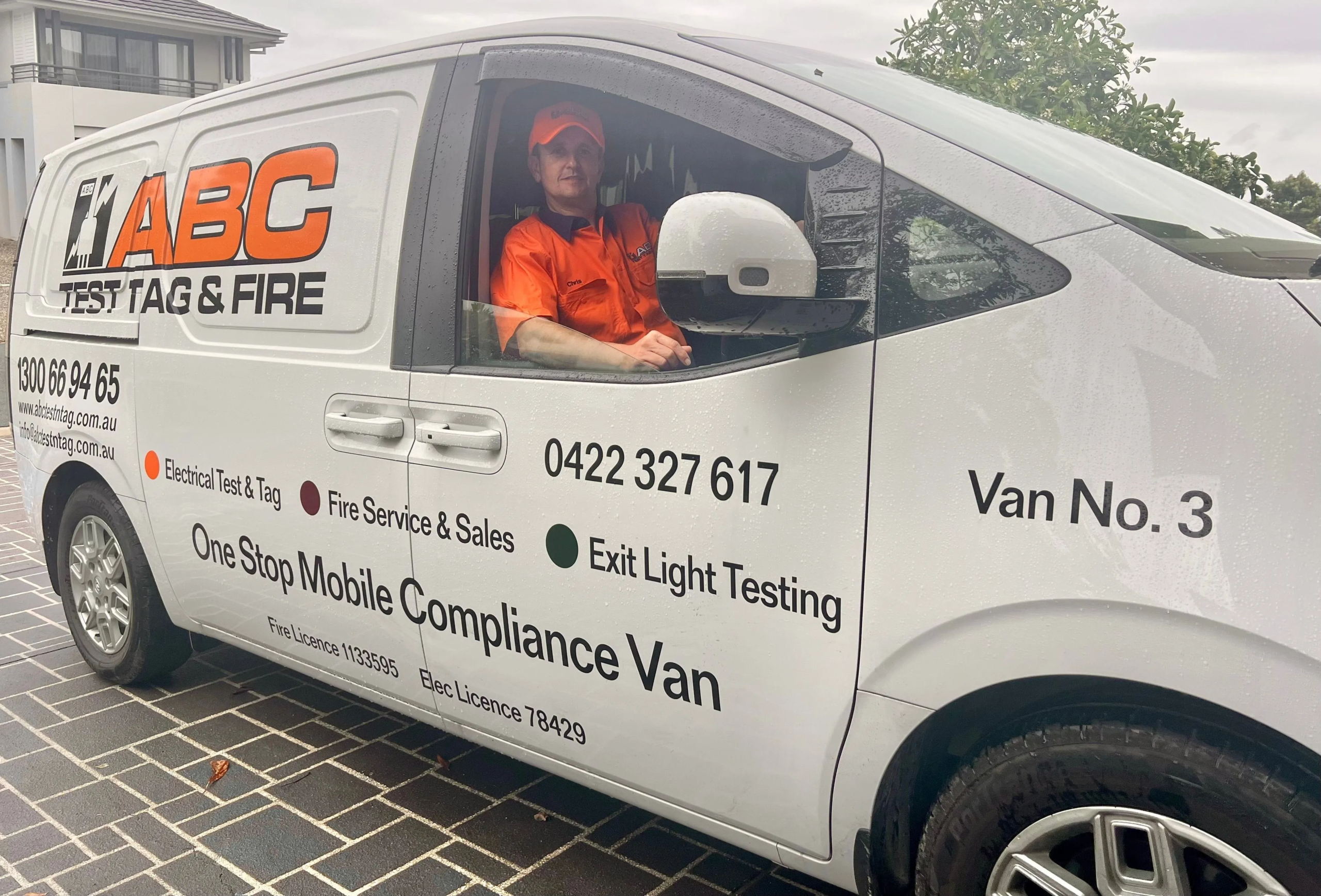
Ensuring Workplace Electrical Safety and Compliance in Ipswich
Electrical safety is a critical concern for businesses in Ipswich, where compliance with regulations is not just a legal obligation but a vital aspect of workplace safety. Electrical test and tag services play a crucial role in ensuring that all electrical equipment is safe to use, minimizing the risk of electrical hazards. This article will explore the importance of electrical test and tag compliance, the benefits of professional services, and how these practices contribute to a safer work environment. Readers will gain insights into the mechanisms of portable appliance testing, the relevant Australian standards, and the compliance risks that can be mitigated through expert testing. Additionally, we will discuss how fire safety compliance complements electrical testing, ensuring comprehensive safety measures for businesses in Ipswich.
What Is Electrical Test and Tag Compliance in Ipswich?
Electrical test and tag compliance refers to the process of inspecting and testing electrical equipment to ensure it meets safety standards set by regulatory bodies. This compliance is essential for protecting employees and customers from potential electrical hazards. In Ipswich, businesses are legally required to adhere to these standards to maintain a safe working environment. Regular testing and tagging of electrical appliances not only fulfill legal obligations but also enhance workplace safety by identifying faulty equipment before it can cause harm.
How Does Portable Appliance Testing Ensure Electrical Safety?
Portable appliance testing (PAT) is a systematic approach to evaluating the safety of electrical devices. This process involves a series of tests, including visual inspections and electrical testing, to ensure that appliances are safe for use. By conducting PAT, businesses can identify potential hazards such as faulty wiring or insulation issues. Regular testing helps to ensure compliance with safety standards and reduces the risk of electrical accidents in the workplace. The benefits of regular testing extend beyond compliance; they also foster a culture of safety within the organization.
Which Australian Standards Govern Electrical Equipment Testing?
In Australia, electrical equipment testing is governed by several key standards, including AS/NZS 3760, which outlines the requirements for the testing and tagging of electrical appliances. These standards provide a framework for ensuring that electrical equipment is safe to use and compliant with legal requirements. Adhering to these standards not only protects employees but also helps businesses avoid legal penalties associated with non-compliance. Understanding these regulations is crucial for any business operating in Ipswich.
Further emphasizing the importance of adhering to national guidelines, other AS/NZS standards also play a crucial role in ensuring comprehensive electrical safety.
Ensuring Electrical Compliance with AS/NZS Standards
AS/NZS 60335 series for electrical compliance, and AS 4343 for pressure equipment compliance where design and plant registration is required. Compliance with these standards is
Flammable Refrigerants, 2013
What Are the Benefits of Professional Electrical Test and Tag Services?

Utilizing professional electrical test and tag services offers numerous advantages for businesses in Ipswich. These benefits include:
- Enhanced Safety: Regular testing reduces the risk of electrical accidents, ensuring a safer workplace for employees and customers.
- Legal Compliance: Professional services help businesses meet their legal obligations, avoiding potential fines and penalties.
- Cost-Effectiveness: By identifying faulty equipment early, businesses can save on costly repairs and prevent downtime.
For businesses looking to ensure compliance and safety, partnering with a specialized service provider can be invaluable.
How Do Test and Tag Services Prevent Workplace Electrical Hazards?
Test and tag services play a vital role in preventing workplace electrical hazards by systematically identifying and addressing potential risks. These services involve thorough inspections and testing of electrical equipment to ensure it meets safety standards. By documenting the results and maintaining records, businesses can track compliance and demonstrate their commitment to safety. This proactive approach not only protects employees but also enhances the overall safety culture within the organization.
Beyond routine inspections, a broader perspective on safety highlights the continuous effort required to mitigate electrical hazards and cultivate robust safety practices.
Mitigating Electrical Hazards and Shaping Safety Practices
shaping safety practices and mitigating electrical hazards. Organizations such as the National Fire Protection Association (NFPA) and the Occupational Safety and Health Administration
ELECTRICAL HAZARDS IN CONSTRUCTION: EVALUATING PREVENTION STRATEGIES AND RISK MITIGATION TECHNIQUES, 2014
What Compliance Risks Are Mitigated by Expert Testing?
Expert testing mitigates several compliance risks that businesses face, including:
- Legal Penalties: Non-compliance with electrical safety regulations can result in significant fines and legal repercussions.
- Increased Liability: Businesses may face increased liability if an electrical accident occurs due to faulty equipment.
- Reputation Damage: Failing to maintain safety standards can harm a business’s reputation, leading to loss of customers and trust.
By engaging professional test and tag services, businesses can effectively manage these risks and ensure a safer working environment.
How Does Fire Safety Compliance Complement Electrical Testing in Ipswich?
Fire safety compliance is closely linked to electrical testing, as faulty electrical equipment can be a significant fire hazard. In Ipswich, businesses must adhere to fire safety regulations that require regular inspections and maintenance of electrical systems. By integrating fire safety compliance with electrical testing, businesses can create a comprehensive safety strategy that addresses both electrical and fire hazards. This holistic approach not only enhances safety but also ensures compliance with multiple regulatory requirements.
What Fire Safety Regulations Must Ipswich Businesses Follow?
Ipswich businesses are required to follow several fire safety regulations, including:
- Regular Inspections: Conducting routine inspections of electrical systems and appliances to identify potential fire hazards.
- Maintenance Protocols: Implementing maintenance protocols for fire safety equipment, such as alarms and extinguishers.
- Training Requirements: Providing training for employees on fire safety procedures and emergency response.
Adhering to these regulations is essential for maintaining a safe workplace and protecting employees from fire risks.
How Do Integrated Electrical and Fire Safety Services Enhance Compliance?
Integrating electrical and fire safety services enhances compliance by providing a comprehensive approach to workplace safety. This integration allows businesses to streamline their safety protocols, ensuring that all aspects of safety are addressed in a coordinated manner. By working with a provider that offers both electrical test and tag services and fire safety compliance, businesses can simplify their compliance efforts and reduce the risk of oversight.
What Are the Regulatory Requirements for Electrical Safety in Queensland?
In Queensland, businesses must comply with specific regulatory requirements for electrical safety, including:
- Testing Frequency: Electrical equipment must be tested at regular intervals, typically every 12 months for high-risk environments.
- Documentation: Maintaining accurate records of testing and compliance is essential for demonstrating adherence to safety standards.
- Qualified Personnel: Only qualified personnel should conduct testing and tagging to ensure compliance with safety regulations.
Understanding these requirements is crucial for businesses operating in Queensland to maintain compliance and ensure safety.
How Often Must Electrical Equipment Be Tested in Ipswich?
The frequency of electrical equipment testing in Ipswich depends on several factors, including the type of equipment and its usage. Generally, high-risk equipment should be tested every 12 months, while lower-risk equipment may require testing every 2 to 5 years. Regular testing is essential for identifying potential hazards and ensuring compliance with safety standards. Businesses should consult with professional test and tag services to determine the appropriate testing schedule for their specific needs.
What Penalties Apply for Non-Compliance with Electrical Safety Laws?
Non-compliance with electrical safety laws can result in severe penalties for businesses, including:
- Fines: Significant financial penalties can be imposed for failing to adhere to safety regulations.
- Legal Action: Businesses may face legal action if an electrical accident occurs due to non-compliance.
- Increased Insurance Premiums: Non-compliance can lead to higher insurance premiums, impacting overall business costs.
To avoid these penalties, businesses should prioritize compliance through regular testing and maintenance of electrical equipment.
How Can Businesses Book Electrical Test and Tag Services in Ipswich?

Booking electrical test and tag services in Ipswich is a straightforward process. Businesses can follow these steps:
- Research Providers: Identify reputable service providers that specialize in electrical testing and tagging.
- Request Quotes: Contact providers to request quotes based on the specific needs of the business.
- Schedule Appointments: Once a provider is selected, schedule an appointment for testing and tagging services.
By following these steps, businesses can ensure they receive the necessary services to maintain compliance and safety.
What Is the Process for Requesting Online Quotes and Scheduling?
Requesting online quotes and scheduling electrical test and tag services typically involves the following steps:
- Visit the Provider’s Website: Navigate to the service provider’s website to access their quote request form.
- Fill Out the Form: Provide details about the equipment that requires testing and any specific requirements.
- Submit the Request: Submit the form to receive a quote and further instructions for scheduling.
This streamlined process allows businesses to efficiently obtain the services they need to ensure compliance and safety.
What Are Typical Pricing Structures for Test and Tag Services?
The pricing for electrical test and tag services can vary based on several factors, including the type and number of appliances being tested. Typical pricing structures may include:
- Flat Rates: Some providers offer flat rates for testing a specific number of appliances.
- Hourly Rates: Others may charge hourly rates based on the time required to complete the testing.
- Package Deals: Many providers offer package deals for businesses with multiple appliances, providing cost savings.
Understanding these pricing structures can help businesses budget for their electrical safety needs effectively.
What Do Case Studies and Testimonials Reveal About Service Effectiveness?
Case studies and testimonials from businesses that have utilized electrical test and tag services often highlight the effectiveness of these services in enhancing workplace safety. Many businesses report significant reductions in electrical hazards and improved compliance with safety regulations. Feedback from safety officers indicates that regular testing and tagging contribute to a safer work environment, fostering a culture of safety within the organization.
How Have Ipswich Businesses Benefited from Compliance Services?
Ipswich businesses have experienced numerous benefits from compliance services, including:
- Improved Safety: Regular testing has led to a noticeable decrease in electrical accidents.
- Enhanced Compliance: Businesses have successfully met their legal obligations, avoiding penalties.
- Cost Savings: Early identification of faulty equipment has resulted in significant cost savings on repairs and downtime.
These benefits underscore the importance of investing in professional electrical test and tag services.
What Feedback Do Safety Officers Provide on Test and Tag Reliability?
Safety officers consistently provide positive feedback on the reliability of test and tag services. They emphasize the importance of regular testing in maintaining compliance and ensuring a safe working environment. Many safety officers report that the documentation provided by test and tag services helps them track compliance and address any potential issues proactively. This feedback highlights the critical role that professional services play in enhancing workplace safety and compliance.