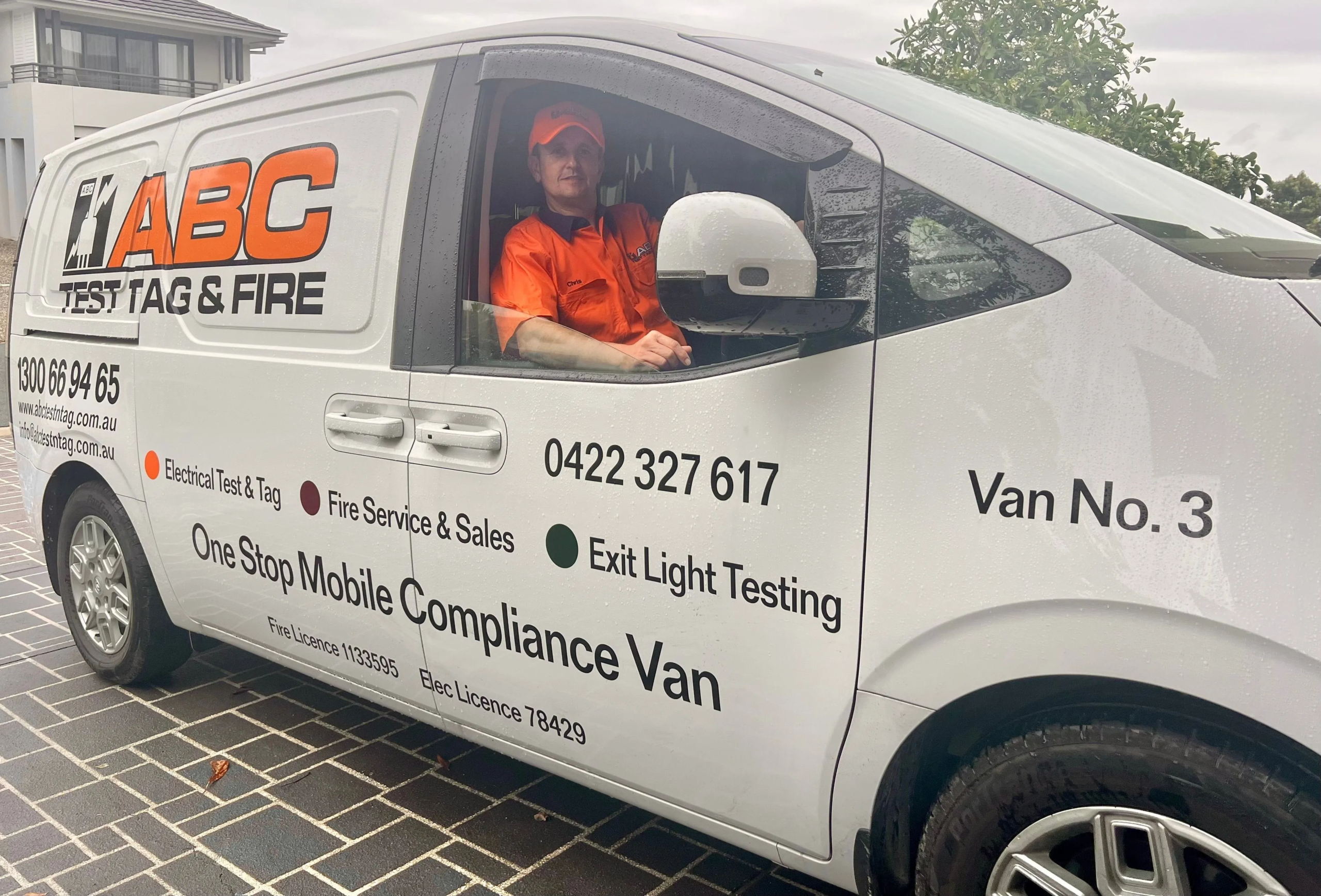
Commercial Test and Tag: Ensuring Electrical Safety Compliance
In today’s fast-paced business environment, ensuring “electrical safety compliance” is not just a regulatory requirement but a fundamental aspect of workplace protection. This article delves into the critical importance of commercial test and tag services, which are essential for maintaining electrical safety and compliance in various business settings. Readers will learn about the legal requirements, the benefits of regular testing, and how these services can mitigate risks associated with electrical hazards. The discussion will cover key areas such as electrical safety compliance, workplace protection, and the consequences of non-compliance, providing a comprehensive overview of why these services are indispensable for any business.
Understanding the significance of commercial test and tag services is crucial for businesses aiming to protect their employees and assets. This article will explore the mechanisms behind electrical testing, the legal obligations businesses face, and the best practices for maintaining compliance. By the end, readers will have a clear understanding of how to implement effective test and tag strategies to enhance workplace safety and ensure regulatory adherence.
Electrical Safety Compliance
Electrical safety compliance refers to the adherence to legal standards and regulations that govern the safe use of electrical equipment in the workplace. Compliance is essential to prevent electrical hazards that can lead to accidents, injuries, or even fatalities. Regular testing and tagging of electrical equipment ensure that all devices meet the safety standards outlined in regulations such as AS/NZS 3760. This proactive approach not only protects employees but also enhances the overall reputation of the business.
Maintaining compliance with electrical safety standards is not just about following the law; it also reflects a company’s commitment to employee safety and operational integrity. By prioritizing electrical safety compliance, businesses can foster a culture of safety that resonates throughout the organization, ultimately leading to improved employee morale and productivity.
Workplace Protection
Workplace protection encompasses the measures taken to safeguard employees from potential hazards, including electrical risks. Commercial test and tag services play a vital role in this protective framework by identifying and mitigating electrical hazards before they can cause harm. Regular testing helps to ensure that all electrical appliances and equipment are functioning correctly and safely, reducing the likelihood of accidents.
Implementing a robust test and tag program contributes to a proactive safety culture within the organization. Employees are more likely to feel secure and valued when they know that their employer is committed to their safety. This not only enhances workplace morale but also leads to increased productivity and reduced absenteeism due to workplace injuries.
Avoiding Legal and Financial Consequences

Failing to comply with electrical safety regulations can result in severe legal and financial repercussions for businesses. Non-compliance may lead to hefty fines, legal actions, and increased insurance premiums. Moreover, businesses may face operational disruptions due to accidents or equipment failures, which can have a significant financial impact.
To avoid these consequences, it is crucial for businesses to implement regular testing and tagging of their electrical equipment. By doing so, they not only ensure compliance with legal requirements but also protect their financial interests. Investing in commercial test and tag services is a proactive measure that can save businesses from costly penalties and enhance their overall operational efficiency.
Enhanced Safety and Risk Mitigation
Regular testing and tagging of electrical equipment significantly enhance workplace safety by identifying potential hazards before they escalate into serious issues. This proactive approach allows businesses to address electrical risks promptly, thereby protecting both employees and assets. The identification of hazards through visual inspections and electrical testing is crucial for maintaining a safe working environment.
Furthermore, effective risk mitigation strategies contribute to the overall resilience of the business. By reducing the likelihood of electrical accidents, companies can protect their reputation and ensure uninterrupted operations. This commitment to safety not only benefits employees but also instills confidence in clients and stakeholders.
Documentation and Audit Readiness
Maintaining thorough documentation of electrical testing and tagging activities is essential for compliance and audit readiness. Compliance certificates serve as proof that equipment has been tested and deemed safe for use. This documentation is crucial during audits, as it demonstrates a company’s commitment to safety and regulatory adherence.
Being prepared for audits not only helps businesses avoid penalties but also reinforces their reputation as responsible and compliant organizations. Regularly updating and maintaining records of testing activities ensures that businesses are always ready to demonstrate their commitment to electrical safety compliance.
What Is Commercial Test and Tag and Why Is It Critical for Workplace Electrical Safety?
Commercial test and tag services involve the systematic testing of electrical equipment to ensure it meets safety standards. This process includes visual inspections, electrical testing, and the application of tags that indicate the compliance status of each item. These services are critical for workplace electrical safety as they help identify potential hazards and ensure that all equipment is functioning correctly.
The importance of commercial test and tag services cannot be overstated. They not only help businesses comply with legal requirements but also protect employees from electrical hazards. By investing in these services, companies can create a safer working environment and demonstrate their commitment to employee welfare.
Understanding Electrical Equipment Testing and Portable Appliance Testing in Brisbane
Electrical equipment testing and portable appliance testing (PAT) are essential components of workplace safety. In Brisbane, businesses are required to adhere to specific regulations that govern the testing of electrical equipment. These tests ensure that all appliances are safe for use and comply with the relevant safety standards.
The testing process typically involves a series of inspections and measurements to assess the safety and functionality of electrical devices. By understanding the requirements for electrical equipment testing and PAT, businesses can ensure compliance and protect their employees from potential hazards.
How Test and Tag Services Prevent Electrical Hazards and Ensure Compliance
Test and tag services are designed to prevent electrical hazards by systematically assessing the safety of electrical equipment. This process includes visual inspections, electrical testing, and tagging to indicate compliance status. By identifying potential issues early, businesses can take corrective action to mitigate risks and ensure a safe working environment.
The effectiveness of test and tag services lies in their ability to provide businesses with a clear understanding of their electrical safety compliance status. Regular testing helps to maintain equipment in safe working order, reducing the likelihood of accidents and enhancing overall workplace safety.
What Are the Legal Requirements for Electrical Testing and Fire Safety Compliance in Brisbane, Ipswich, and Gold Coast?
In Brisbane, Ipswich, and the Gold Coast, businesses are subject to specific legal requirements regarding electrical testing and fire safety compliance. These regulations are designed to ensure that all electrical equipment is safe for use and meets the necessary safety standards. Compliance with these regulations is essential for protecting employees and avoiding legal repercussions.
Businesses must stay informed about the latest regulations and ensure that their electrical equipment is regularly tested and tagged. This proactive approach not only helps maintain compliance but also enhances workplace safety and reduces the risk of accidents.
Overview of Australian Standards AS/NZS 3760 for Electrical Equipment Testing
The Australian Standards AS/NZS 3760 outlines the requirements for the testing and tagging of electrical equipment. These standards provide a framework for ensuring that all electrical devices are safe for use and comply with the necessary safety regulations. Adhering to these standards is crucial for businesses aiming to maintain electrical safety compliance.
Beyond equipment testing, broader electrical installations also fall under stringent compliance standards.
AS/NZS 3000 Electrical Installation Compliance
While electricity distributor works are exempt from compliance with AS/NZS 3000 under most circumstances, all of the electrical installations connected to the network do have to comply.
Automatic disconnection under AS/NZS 3000 and the impact on supply utilities, 2004
Understanding the AS/NZS 3760 standards helps businesses implement effective testing and tagging programs. By following these guidelines, companies can ensure that their electrical equipment is regularly assessed for safety and functionality, thereby protecting their employees and assets.
Fire Safety Compliance Regulations and Their Impact on Business Operations
Fire safety compliance regulations are critical for ensuring the safety of employees and the protection of business assets. These regulations outline the requirements for fire safety equipment, including alarms, extinguishers, and emergency exits. Compliance with these regulations is essential for preventing fire-related incidents and ensuring a safe working environment.
Businesses must prioritize fire safety compliance to protect their employees and minimize the risk of fire-related accidents. By implementing effective fire safety measures, companies can enhance their operational resilience and demonstrate their commitment to employee safety.
How Often Should Electrical Equipment Be Tested and Tagged to Maintain Compliance?
The frequency of electrical equipment testing and tagging depends on various factors, including the type of equipment and its usage. High-risk equipment may require more frequent testing, while low-risk items can be tested less often. Understanding the recommended testing intervals is essential for maintaining compliance and ensuring workplace safety.
Regular testing helps to identify potential hazards and ensures that all equipment is functioning correctly. By adhering to the recommended testing intervals, businesses can protect their employees and assets while maintaining compliance with safety regulations.
Recommended Testing Intervals Based on Equipment Type and Usage
Different types of electrical equipment have varying testing requirements based on their risk levels and usage. High-risk equipment, such as power tools and appliances used in construction, may require testing every three months, while low-risk items, like office equipment, may only need testing annually. Understanding these intervals is crucial for maintaining compliance and ensuring workplace safety.
By implementing a testing schedule based on equipment type and usage, businesses can effectively manage their electrical safety compliance. This proactive approach helps to mitigate risks and protect employees from potential hazards.
Consequences of Non-Compliance: Fines, Penalties, and Workplace Risks
Failing to comply with electrical safety regulations can lead to severe consequences for businesses. Non-compliance may result in hefty fines, legal actions, and increased insurance premiums. Additionally, businesses may face operational disruptions due to accidents or equipment failures, which can have a significant financial impact.
To avoid these consequences, it is crucial for businesses to implement regular testing and tagging of their electrical equipment. By doing so, they not only ensure compliance with legal requirements but also protect their financial interests.
What Are the Benefits of Regular Commercial Test and Tag and Fire Safety Compliance Services?
Regular commercial test and tag services offer numerous benefits for businesses, including enhanced workplace safety, legal compliance, and risk reduction. By investing in these services, companies can create a safer working environment and demonstrate their commitment to employee welfare.
The advantages of regular testing and tagging include:
- Risk Reduction: Identifying and addressing potential hazards before they escalate into serious issues.
- Legal Compliance: Ensuring adherence to safety regulations and avoiding penalties.
- Improved Workplace Safety: Creating a safer environment for employees, which can enhance morale and productivity.
These benefits highlight the importance of regular commercial test and tag services in maintaining a safe and compliant workplace.
Reducing Workplace Incidents and Enhancing Employee Safety
Regular testing and tagging of electrical equipment significantly reduce workplace incidents by identifying potential hazards before they escalate into serious issues. This proactive approach allows businesses to address electrical risks promptly, thereby protecting both employees and assets.
Furthermore, effective risk mitigation strategies contribute to the overall resilience of the business. By reducing the likelihood of electrical accidents, companies can protect their reputation and ensure uninterrupted operations. This commitment to safety not only benefits employees but also instills confidence in clients and stakeholders.
Achieving Peace of Mind Through Reliable Compliance and Reporting
Reliable compliance and reporting through regular testing and tagging provide businesses with peace of mind. Knowing that their electrical equipment is safe and compliant allows companies to focus on their core operations without the constant worry of potential hazards.
Regular testing assurance reduces compliance worries and demonstrates a commitment to safety. This proactive approach not only protects employees but also enhances the overall reputation of the business.
How Does the Test and Tag Process Work: From Inspection to Certification?
The test and tag process involves several key steps to ensure that electrical equipment is safe for use. This process typically includes:
- Initial Consultation: Assessing the specific needs of the business and determining the scope of testing required.
- Visual Inspection: Conducting a thorough examination of electrical equipment to identify any visible hazards.
- Electrical Testing: Performing tests to assess the safety and functionality of each device.
- Tagging: Applying tags to indicate the compliance status of each item.
This systematic approach ensures that all electrical equipment is regularly assessed for safety and functionality, thereby protecting employees and assets.
Step-by-Step Electrical Testing and Tagging Procedures
The electrical testing and tagging procedures involve a series of steps designed to ensure the safety of electrical equipment. These steps typically include:
- Visual Inspection: Checking for any visible signs of damage or wear on electrical devices.
- Testing: Conducting electrical tests to assess the safety and functionality of each item.
- Tagging: Applying tags that indicate the compliance status of each device.
By following these procedures, businesses can ensure that their electrical equipment is safe for use and compliant with relevant regulations.
Fire Safety Equipment Inspection and Servicing Explained
Fire safety equipment inspection and servicing are essential components of workplace safety. Regular inspections ensure that fire safety equipment, such as alarms and extinguishers, is functioning correctly and ready for use in case of an emergency. Compliance with fire safety regulations is crucial for preventing fire-related incidents and ensuring a safe working environment.
Businesses must prioritize fire safety compliance to protect their employees and minimize the risk of fire-related accidents. By implementing effective fire safety measures, companies can enhance their operational resilience and demonstrate their commitment to employee safety.
How Can Businesses Request Quotes and Book Professional Test and Tag Services in Queensland?
Requesting quotes and booking professional test and tag services in Queensland is a straightforward process. Businesses can start by identifying their specific needs and the types of equipment that require testing. Once this is established, they can reach out to local service providers to request quotes.
Many providers offer streamlined online booking systems that make it easy for businesses to schedule testing services. By choosing a trusted local provider, companies can ensure that they receive high-quality testing and tagging services that meet their compliance needs.
Streamlined Online Booking and Quote Request Process
The online booking and quote request process for test and tag services is designed to be user-friendly and efficient. Businesses can easily navigate through the booking system to select the services they require and receive quotes quickly. This streamlined process saves time and ensures that businesses can schedule testing services without unnecessary delays.
By utilizing online booking systems, companies can enhance their operational efficiency and ensure that their electrical equipment is regularly tested and tagged. This proactive approach helps to maintain compliance and protect employees from potential hazards.
Choosing a Trusted Local Provider for Comprehensive Compliance Solutions
Selecting a trusted local provider for test and tag services is crucial for ensuring compliance and safety. Businesses should research local providers, verify their credentials, and consider their experience in the industry. Choosing a reputable provider ensures that companies receive high-quality testing and tagging services that meet their compliance needs.
By prioritizing the selection of a trusted provider, businesses can enhance their electrical safety compliance and protect their employees from potential hazards. This commitment to safety not only benefits employees but also instills confidence in clients and stakeholders.