In the high-velocity environment of a Brisbane warehouse, electrical safety is often viewed through the lens of operational continuity. However, for facility managers and business owners, the distinction between a "visual check" and a "functional test" is not merely academic: it is a matter of regulatory compliance and life safety. As equipment undergoes rigorous daily use, the risk of electrical fault increases, necessitating a systematic approach to risk mitigation.
The debate often arises: is a thorough visual inspection sufficient, or is specialized RCD (Residual Current Device) testing mandatory? To maintain compliance with AS/NZS 3760:2022 and Queensland work health and safety legislation, understanding the technical nuances of both processes is essential.
What is a Visual Inspection in a Warehouse Context?
A visual inspection is the primary line of defense in any electrical safety program. According to industry data and the standards outlined in AS/NZS 3760, more than 90% of electrical defects are detectable through a comprehensive visual assessment.
In a warehouse setting, this involves a systematic physical check of all portable appliances, extension leads, and power boards. The objective is to identify external damage that could lead to internal failure or exposure to live components.
What are the key components of a visual inspection?
- Cable Integrity: Checking for frayed outer sheaths, exposed internal cores, or "kinking" that suggests internal copper damage.
- Plug and Socket Condition: Inspecting for cracked casings, bent pins, or signs of overheating (discoloration/scorching).
- Security of Connections: Ensuring the cord grip is effectively holding the cable in place at both the plug and the appliance entry point.
- Environmental Suitability: Verifying that the equipment is appropriate for its location (e.g., moisture-resistant fittings in damp areas).
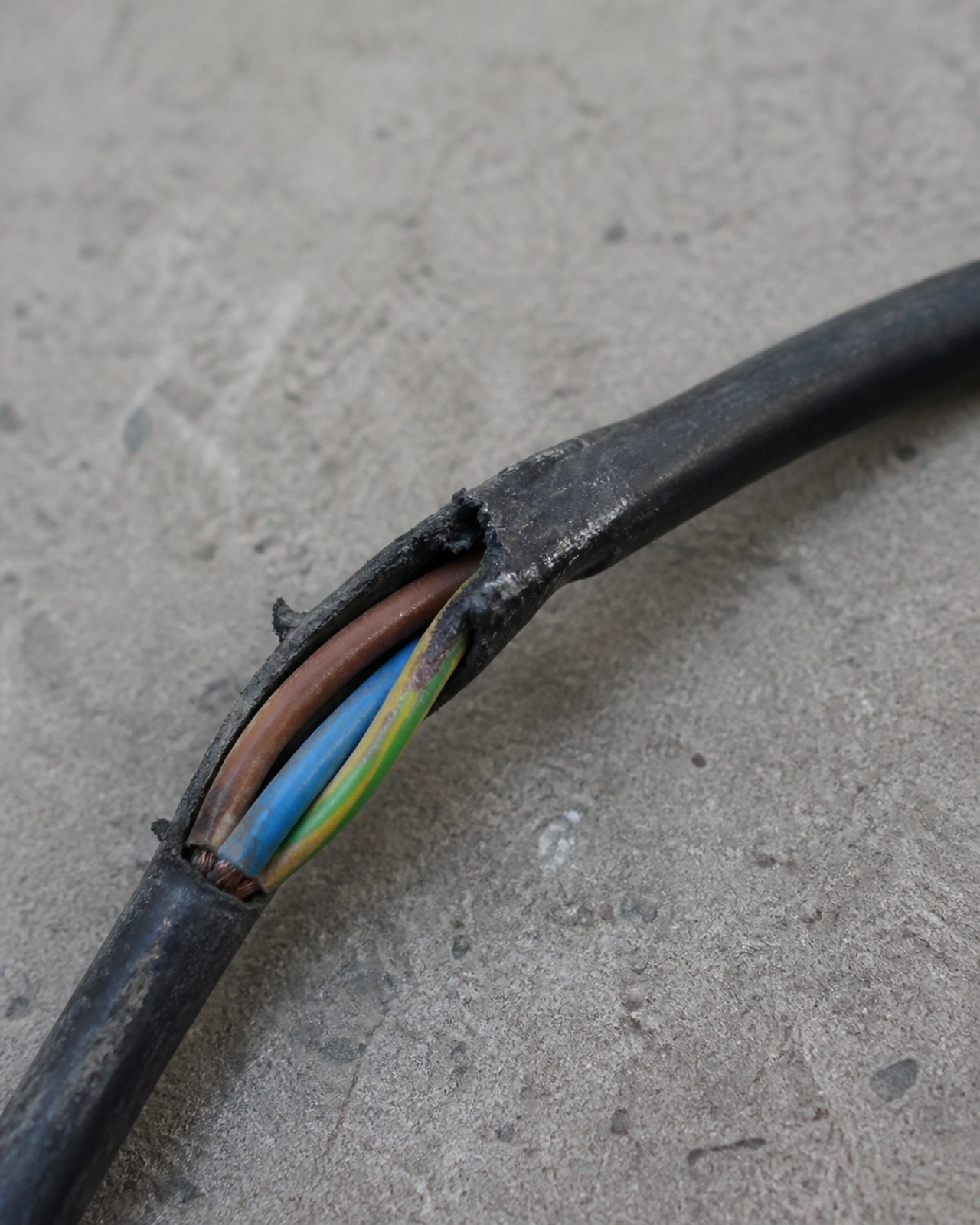
While the visual inspection is indispensable, it remains limited. It cannot detect internal component degradation, insulation resistance failure, or the mechanical response time of a safety switch.
What is RCD Testing and Why is it Necessary?
An RCD, commonly known as a safety switch, is designed to disconnect the power within milliseconds if a leakage to earth is detected. This prevents lethal electric shocks. However, like any mechanical device, an RCD can seize or fail due to dust, moisture, or age: conditions frequently found in Brisbane and Ipswich industrial zones.
How does instrument testing differ from the "push-button" test?
Many warehouse managers rely on the built-in "Test" button on their switchboards. While this is a necessary monthly or six-monthly user check, it is not a substitute for formal RCD testing.
- The Push-Button Test: Simply confirms that the mechanical trip mechanism is functional. It does not measure the actual speed or current at which the device operates.
- Instrument (Trip Time) Testing: A technician uses a calibrated RCD tester to inject a simulated fault current. This measures exactly how many milliseconds (ms) the device takes to disconnect. Under AS/NZS 3760, most RCDs must trip within 300ms, though many modern units respond in under 40ms.
Without this data, you cannot prove that the device will operate fast enough to save a life during a genuine fault. This is why RCD testing and RCD safety are categorized as critical compliance tasks.
The Regulatory Framework: AS/NZS 3760:2022
In Queensland, the Work Health and Safety Regulation 2011 mandates that PCBUs (Persons Conducting a Business or Undertaking) ensure electrical equipment is safe. The industry standard for meeting this obligation is AS/NZS 3760.
For a warehouse environment, the standard typically classifies the area as a "hostile" or "manufacturing" environment due to potential mechanical damage, dust, and moisture. This results in more frequent testing intervals compared to a standard office.
Comparison Table: Visual vs. RCD Testing
| Feature | Visual Inspection | RCD Instrument Testing |
|---|---|---|
| Primary Goal | Detect physical damage/wear. | Measure electrical response time. |
| Defect Detection | >90% of visible faults. | 100% of internal/mechanical faults. |
| Required Tools | Trained eyes, physical check. | Calibrated RCD / PAT Tester. |
| Frequency (Warehouse) | Every 6 months (as part of T&T). | 12 to 24 months (depending on type). |
| Documentation | Pass/Fail on tag. | Millisecond trip time recorded. |
Why "Both" is the Only Correct Answer for Safety
Choosing between visual inspection and RCD testing is a false dichotomy. A comprehensive safety strategy requires both to be executed in tandem.
If an appliance passes an electrical test but has a cracked plug, it is unsafe. Conversely, if an RCD looks pristine but takes 500ms to trip, it is a lethal liability. In the event of a workplace incident, insurance providers may refuse coverage if it is discovered that the mandatory instrument testing was skipped in favor of "visual-only" checks.
Practical Implementation for Brisbane Warehouse Managers
Implementing a systematic process does not have to be a logistical burden. By following a structured approach, you can ensure 100% compliance while minimizing downtime.
1. Establish a Testing Schedule
Under AS/NZS 3760, portable equipment in a warehouse (leads, drills, grinders, floor polishers) generally requires testing every 6 months. Fixed RCDs in the switchboard typically require instrument testing every 12 months.
2. Utilize Digital Reporting
Handwritten logs are prone to error and damage. At ABC Test Tag & Fire, we provide fast and hassle-free digital reporting. This allows you to produce a compliance certificate instantly during a WorkSafe QLD audit.
3. Bundling for Cost Efficiency
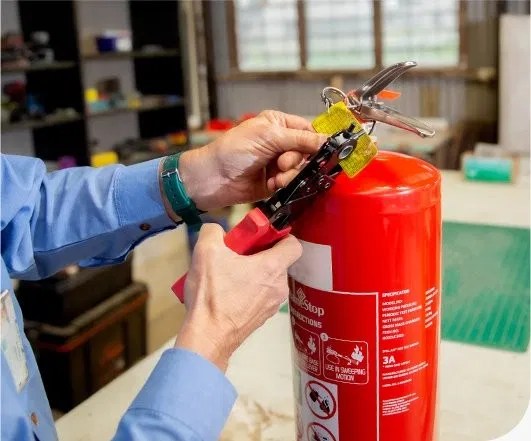
One of the most effective ways to manage safety overheads is to bundle electrical testing with fire safety services. By having a single technician perform your test and tag, RCD testing, and fire extinguisher inspections, businesses can often save 20-40% on total service costs.
The Hidden Value: Earning Qantas Points
Beyond the immediate safety benefits, managing your compliance can contribute to your business's bottom line in unexpected ways. ABC Test Tag & Fire is a Qantas Business Rewards partner, meaning every dollar spent on ensuring your warehouse is safe also earns you Qantas Points. This turns a mandatory regulatory expense into a tangible reward for your business.
Conclusion: Mitigating Risk in the Modern Warehouse
Is RCD testing better than visual inspection? No. They are two halves of a single, mandatory safety shield. A visual inspection identifies the damage you can see, while RCD testing identifies the failure you cannot.
For Brisbane and Ipswich businesses, neglecting either component is a risk not worth taking. From the threat of industrial manslaughter charges to the loss of insurance protection, the stakes are too high for shortcuts.
Are your warehouse RCDs due for their annual instrument test?
Ensure your workplace meets Australian Standard 3760:2022 today. Contact ABC Test Tag & Fire to discuss our bundled service options and see how you can achieve total compliance while saving up to 40%.
