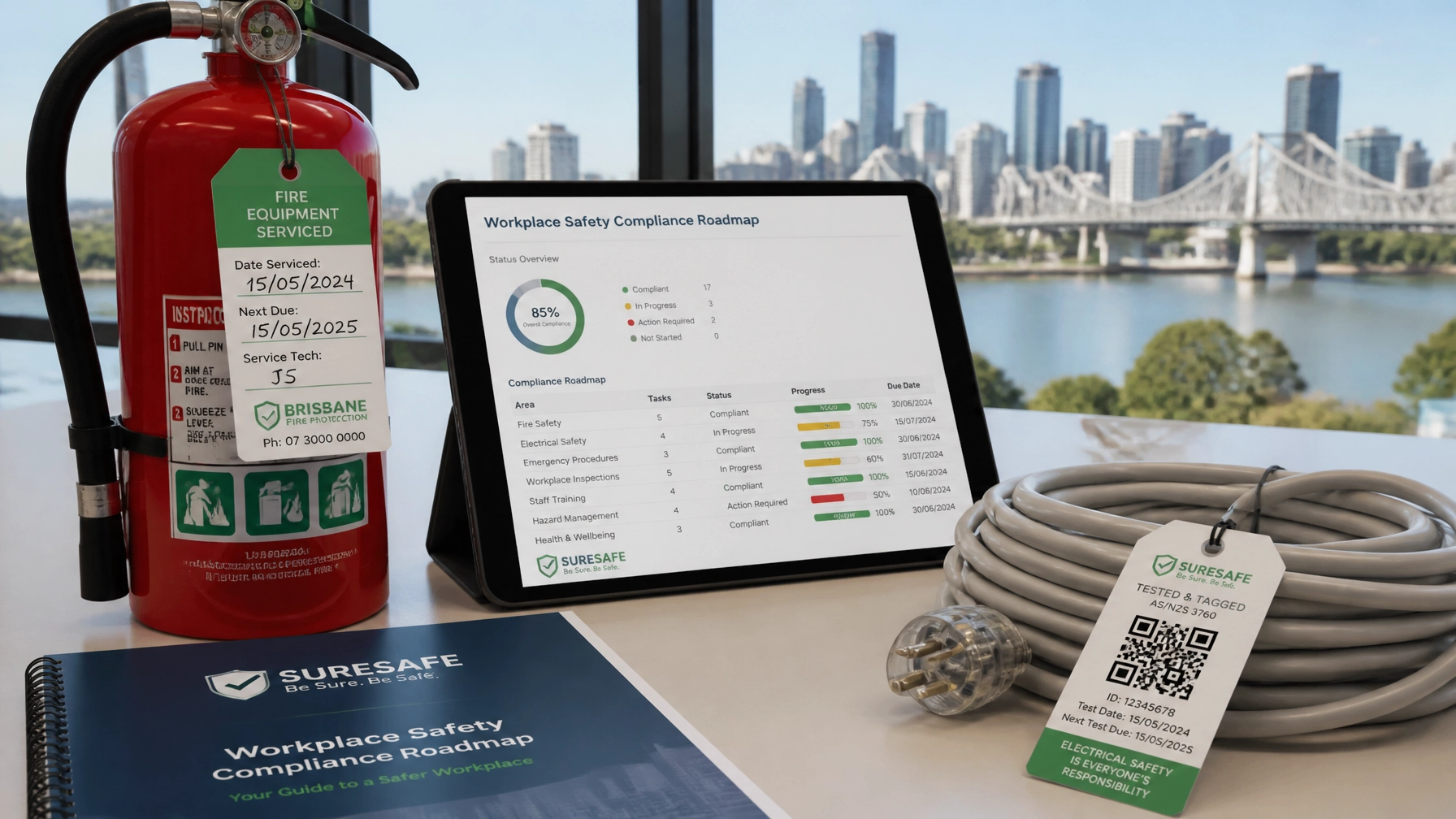
Navigating the complex landscape of workplace safety in Southeast Queensland requires more than a casual understanding of regional guidelines; it demands a systematic adherence to stringent state legislation and Australian Standards. For business owners and facility managers operating across the Brisbane, Ipswich, and Gold Coast corridor, maintaining compliance is a continuous obligation that directly impacts risk mitigation and legal standing.
This roadmap serves as a comprehensive technical guide to navigating these requirements, ensuring that your enterprise remains fully aligned with the Work Health and Safety Act 2011 (Qld) and the Electrical Safety Act 2002 (Qld).
What Defines the Regulatory Landscape in Southeast Queensland?
The regulatory framework governing Southeast Queensland (SE QLD) is primarily dictated by state-wide legislation, yet the practical application of these laws often varies depending on the specific industrial or commercial nature of the region. Whether your operations are situated in the high-density corporate hubs of the Brisbane CBD, the industrial corridors of Ipswich, or the tourism-centric precincts of the Gold Coast, the benchmark for "reasonably practicable" safety remains consistent.
The Primary Standards for Compliance
To achieve a status of total compliance, SE QLD businesses must implement a systematic process for maintaining three core safety pillars:
- Electrical Safety (AS/NZS 3760): The inspection, testing, and tagging of portable electrical equipment and Residual Current Devices (RCDs).
- Fire Protection Maintenance (AS 1851): The routine servicing of fire extinguishers, blankets, and hose reels.
- Exit and Emergency Lighting (AS/NZS 2293): The 6-monthly discharge testing and annual inspection of emergency escape signage.

Managing Corporate and Commercial Compliance in Brisbane
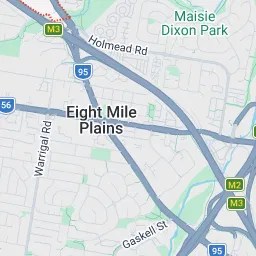
In the Brisbane metropolitan area, including suburbs like Eight Mile Plains and Mount Gravatt, the focus often lies within "non-hostile" environments such as commercial offices, retail outlets, and educational facilities. However, the density of these workplaces increases the complexity of asset management.
How Should Brisbane Offices Approach Electrical Testing?
For standard office environments, the risk to electrical equipment is generally lower than in industrial settings. However, compliance under AS/NZS 3760 still requires a structured testing regime. While some low-risk environments may allow for extended intervals, most proactive Brisbane managers adopt a 12-month testing cycle to ensure a continuous safety record and to align with insurance requirements.
- Key Action: Identify all "specified electrical equipment," including laptop chargers, monitors, and kitchen appliances.
- Regional Context: Businesses in Eight Mile Plains frequently utilize QR-coded tagging to streamline the tracking of high-volume assets across multiple floors.
Phase 2: The Ipswich Roadmap – Safety in Industrial and Manufacturing Hubs
Ipswich and its surrounding industrial zones represent a "hostile" operating environment. In these sectors: factories, warehouses, and workshops: equipment is subject to significant wear and tear, moisture, and physical impact.
What are the Mandatory Intervals for Hostile Environments?
Under the Electrical Safety Regulation 2013 (Qld), equipment used in manufacturing or heavy industrial work faces stricter scrutiny. Portable tools and extension leads in these environments typically require testing every 6 months.
- Systematic Process: Establish a rigid schedule for 6-monthly inspections to prevent equipment failure and ensure workplace continuity.
- Ipswich Fire Safety: Industrial sites often house larger quantities of fire suppression equipment. Routine servicing of fire extinguishers to AS 1851 is critical to mitigate the higher fire load inherent in manufacturing. Learn more about fire safety compliance in Ipswich.
Phase 3: The Gold Coast Roadmap – Compliance for Hospitality and Tourism
The Gold Coast presents unique challenges due to the high volume of public interaction in hospitality and retail sectors. For these businesses, exit and emergency lighting compliance is paramount to ensure safe egress during a power failure or fire emergency.
How Does AS/NZS 2293 Impact Gold Coast Facilities?
Every commercial building on the Gold Coast must maintain its emergency lighting systems in accordance with AS/NZS 2293. This involves a mandatory 90-minute discharge test every six months to verify that battery systems can sustain the required illumination levels during an evacuation.
- RCD Protection: Given the presence of commercial kitchens and outdoor event spaces, RCD testing on the Gold Coast is essential to protect staff and patrons from electrical shock.
- Visual Documentation: Digital reporting is vital for Gold Coast managers who may oversee multiple properties, providing instant access to compliance certificates from any location.
Phase 4: Fire Protection and Equipment Mitigation
Regardless of location, fire safety equipment is a non-negotiable component of the SE QLD safety roadmap. Portable fire extinguishers and blankets must be serviced every 6 months by a competent person.
The Inspection Process under AS 1851
The routine service of fire protection systems is a technical requirement that involves:
- Visual Inspection: Checking for physical damage, corrosion, or blockages.
- Pressure Verification: Ensuring the gauge indicates the correct operating pressure.
- Accessibility Checks: Verifying that equipment is unobstructed and signage is clearly visible.
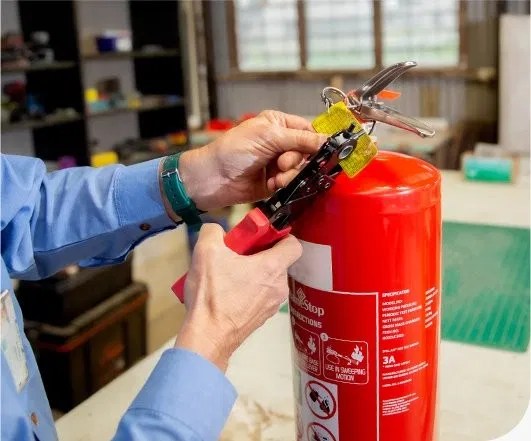
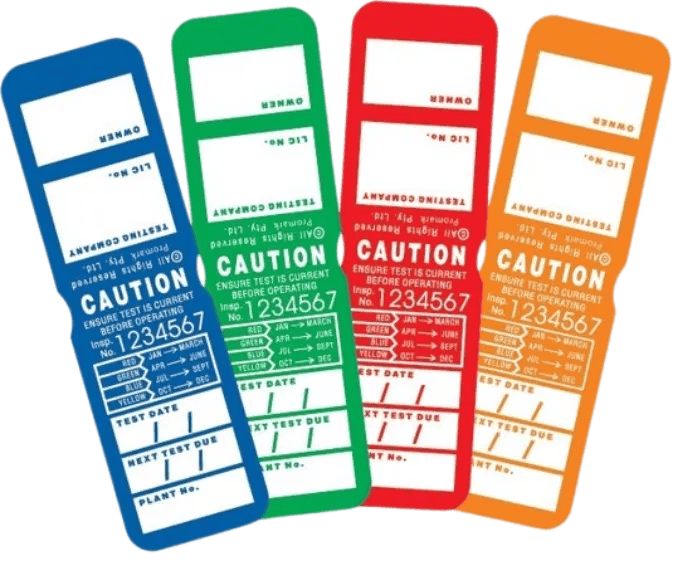
Detailed record-keeping is a legal necessity. Following each inspection, a durable tag must be attached to the equipment, and a digital compliance report should be generated. For a deeper understanding, refer to the 2026 Brisbane Fire Safety Handbook.
Financial Optimization: The "Bundling" Strategy
One of the most significant hurdles for SE QLD business owners is the administrative and financial burden of managing multiple safety contractors. By consolidating electrical, fire, and exit light testing into a single service visit, businesses can achieve substantial operational efficiencies.
How Does Bundling Save 40% on Compliance Costs?
Bundling services reduces the "per-visit" overhead costs associated with separate contractors. At ABC Test Tag & Fire, we have observed that Brisbane and Ipswich businesses frequently save between 20-40% on their total compliance bill by adopting this integrated approach.
- Single Point of Contact: Simplifies scheduling and reduces workplace disruption.
- Unified Digital Reporting: All fire and electrical records are delivered in one comprehensive digital package.
- Qantas Business Rewards: As an added benefit, businesses can earn Qantas Points on all compliance services, adding further value to the safety budget.
Conclusion: Implementing Your Compliance Strategy
Safety is not a static achievement but a continuous, systematic process of risk assessment and mitigation. By following this roadmap: tailored to the specific needs of Brisbane, Ipswich, and the Gold Coast: you can ensure your business remains legally compliant, financially efficient, and, most importantly, safe for all occupants.
Next Steps for SE QLD Business Owners:
- Conduct an Audit: Identify all electrical assets and fire safety equipment on your premises.
- Determine Intervals: Map your industry type (e.g., Office vs. Manufacturing) to the correct testing intervals under AS/NZS 3760 and AS 1851.
- Engage a Professional: Contact ABC Test Tag & Fire to schedule a comprehensive, bundled safety inspection.
Ensure your workplace meets the standard today. Navigating compliance does not have to be a burden when you have a clear roadmap and a professional partner.