For many Brisbane and Ipswich business owners, the management of workplace safety often becomes a fragmented, high-overhead logistical burden. Engaging multiple contractors: one for electrical testing and another for fire equipment servicing: frequently results in duplicated call-out fees, administrative complexities, and unnecessary operational downtime.
However, a shift toward integrated compliance is transforming how local facilities managers approach their legal obligations. By consolidating test and tag services with fire safety inspections, businesses can achieve a systematic reduction in maintenance expenditure of 20% to 40%. This comprehensive guide examines the regulatory framework, the logistical mechanics of service bundling, and the long-term financial benefits of a unified safety strategy.
What is Integrated Safety Compliance?
Integrated safety compliance refers to the coordinated execution of multiple regulatory inspections within a single site visit. In the context of Queensland workplace safety, this primarily involves the synchronization of electrical safety testing and fire protection equipment maintenance.
The Regulatory Framework: AS/NZS 3760 and AS1851:2012
To understand the necessity of these services, one must look at the specific Australian Standards that govern them:
- AS/NZS 3760 (Electrical Safety): This standard dictates the requirements for the in-service safety inspection and testing of electrical equipment. It is designed to mitigate the risk of electric shock and electrical fires by identifying damaged or deteriorating appliances. For more detailed information, refer to The Complete QLD Workplace Safety Compliance Guide.
- AS1851:2012 (Fire Protection): This standard outlines the systematic process for the routine servicing of fire protection systems and equipment, including fire extinguishers brisbane businesses rely on, fire blankets, and hose reels.
By integrating the testing cycles of these two standards, a business ensures that its electrical safety compliance brisbane requirements and fire safety obligations are met simultaneously, rather than through disjointed, inefficient intervals.
How Does Bundling Services Reduce Expenditure by 20–40%?
The primary driver of high maintenance costs is not the testing itself, but the logistical overhead associated with separate service providers. When a business opts for a bundled approach, several cost-mitigation factors come into play.
Elimination of Duplicated Call-Out Fees
Every time a technician arrives at a warehouse in Ipswich or a retail shop in Brisbane, a call-out fee is typically applied. By utilizing a single provider like ABC Test Tag & Fire to handle both fire and electrical testing, the business pays a single mobilization fee. This immediately impacts the test and tag price by spreading the overhead across a broader scope of work.
Reduced Operational Downtime
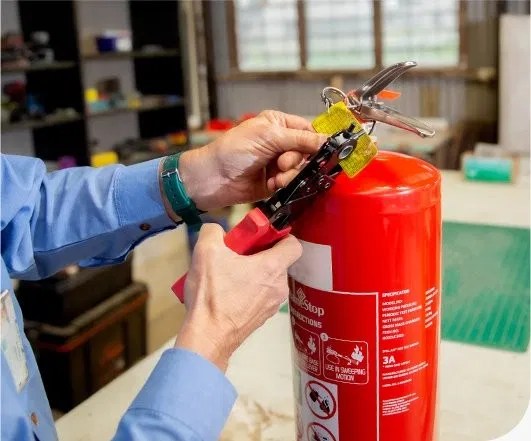
Fragmented maintenance requires staff to stop work multiple times a year for different contractors. A unified visit ensures that all testing: from the RCDs (Residual Current Devices) in the switchboard to the fire blankets in the kitchen: is completed in a single window. This minimizes the interruption to productivity, a crucial factor for factories and high-traffic offices.
Administrative and Reporting Efficiency
Managing multiple service dates, asset registers, and digital certificates from different vendors is a significant administrative drain. Bundling allows for a single, consolidated digital report that covers all facets of safety compliance. This streamlined documentation process is explored further in our Test and Tag Price Guide for Industrial Hubs.
Why is Fragmented Maintenance a Risk to Your Brisbane Business?
Beyond the financial disadvantage, maintaining separate schedules for electrical and fire safety increases the probability of "compliance gaps." When responsibilities are split, it is easier for a particular testing interval to be overlooked, leaving the business exposed to legal and financial risks.
The Danger of Missed Intervals
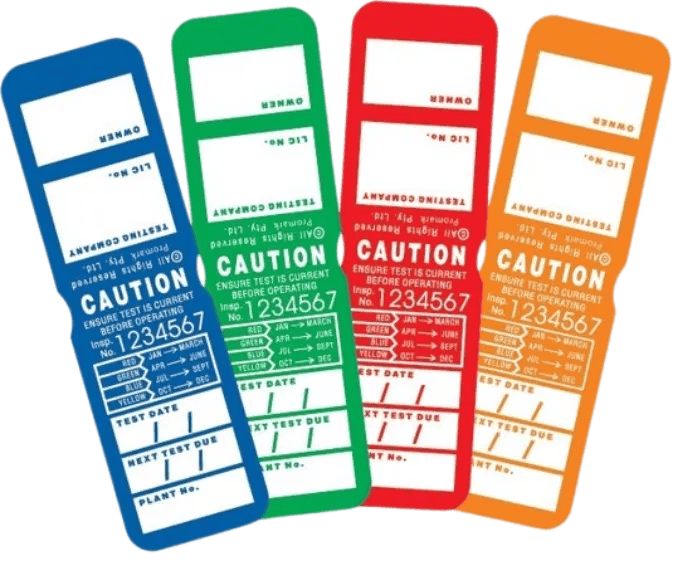
If an office manager is coordinating with three different companies for fire extinguisher test and tag, electrical tagging, and exit light testing, the likelihood of a missed 6-monthly or annual inspection increases significantly. Under Queensland law, failing to maintain current safety records can result in:
- Substantial fines from regulatory bodies.
- The voiding of corporate insurance policies in the event of an incident.
- Increased liability for business owners and directors.
Lack of a Holistic Safety Overview
A specialist who only looks at fire extinguishers may miss an obvious electrical hazard, such as a frayed lead near a flammable chemical store. A technician trained in multiple disciplines provides a more comprehensive risk assessment, identifying hazards that fall between the cracks of specialized silos.
What are the Practical Steps to Implement an Integrated Strategy?
Transitioning from a fragmented model to an integrated maintenance strategy requires a systematic approach to asset management.
1. Conduct a Comprehensive Asset Audit
The first step is to identify every item that requires testing. This includes all portable 240V appliances, 3-phase equipment, RCDs, fire extinguishers, and exit signs. A unified asset register serves as the foundation for your integrated safety plan.
2. Synchronize Testing Intervals
While electrical and fire testing often have different frequencies (e.g., some electrical items may be 12-monthly while fire extinguishers are 6-monthly), an expert provider can synchronize these so the majority of testing occurs in the same visit, with minor "top-up" visits as required.
3. Implement Digital Asset Tracking
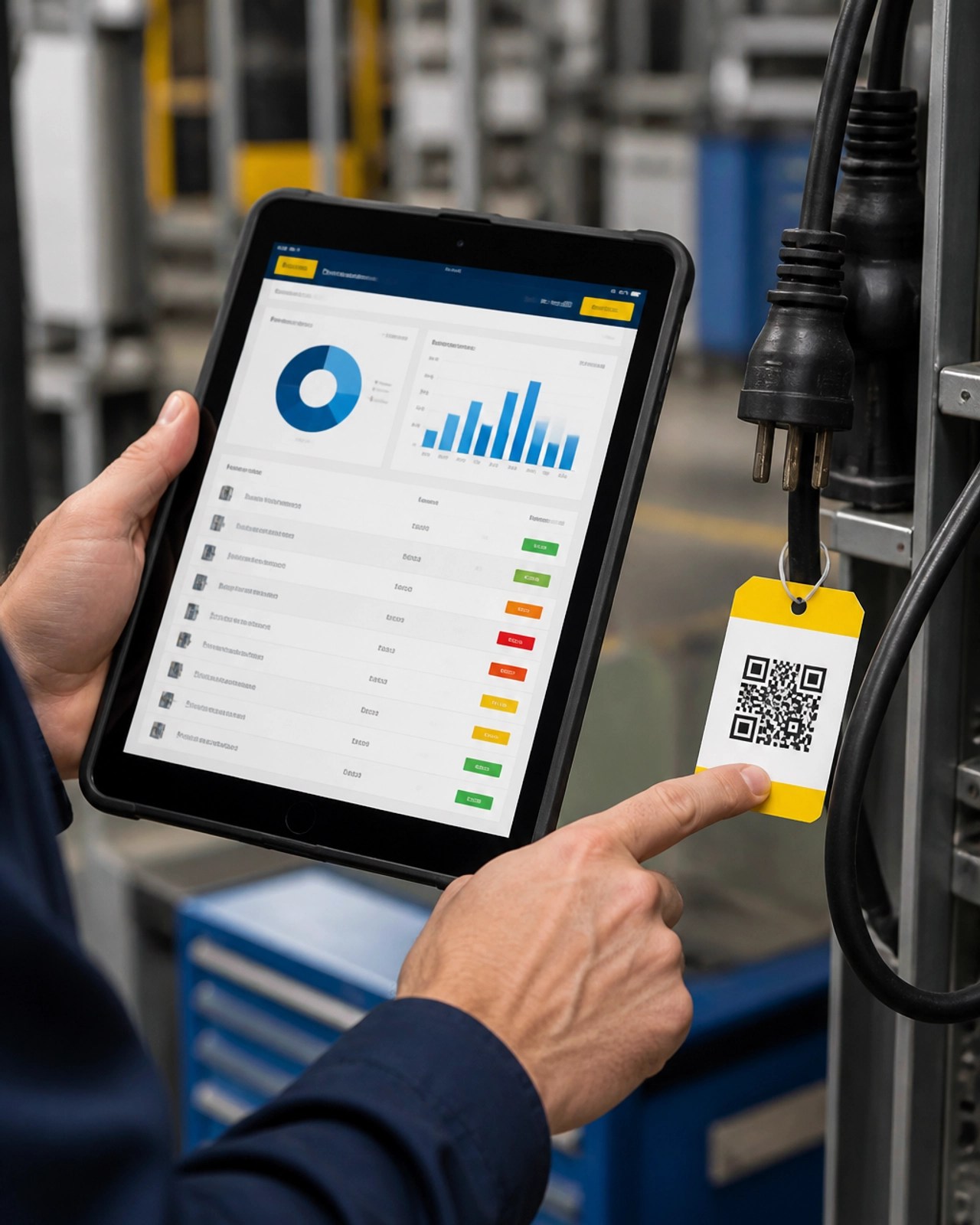
Moving away from paper-based logs to a digital system is essential. Utilizing QR-coded tags allows for instant identification of an asset's status. When a technician scans a tag, they should immediately see its full history, whether it is an electrical lead or a fire extinguisher.
How Does ABC Test Tag & Fire Facilitate This Transition?
As a locally owned and fully insured provider, ABC Test Tag & Fire is uniquely positioned to help businesses in Brisbane and Ipswich consolidate their safety requirements. We recognize that compliance should be a proactive benefit to your business, not a reactive burden.
Comprehensive Service Bundling
We provide a single point of contact for:
- Electrical Test & Tag & RCD Testing: Adhering to AS/NZS 3760 standards.
- Fire Service & Sales: Including 6-monthly testing per AS1851:2012.
- Exit Light Testing: Including 6-monthly testing per AS2293
For businesses looking for specialized local services, we offer dedicated Test and Tag Services in Ipswich and across all Brisbane suburbs.
Earn QANTAS Points on Compliance
Uniquely in our industry, we allow businesses to earn Qantas Points for every dollar spent on safety services. This turns a mandatory regulatory expense into a tangible business benefit, further increasing the value proposition of our bundled packages.
Hassle-Free Digital Reporting
Following each site visit, we provide comprehensive digital compliance certificates. These reports are designed to be "audit-ready," ensuring that you can demonstrate your adherence to QLD laws to insurers or safety inspectors at a moment's notice. For a deeper dive into fire-specific requirements, consult our 2026 Comprehensive Fire Safety Handbook.
Conclusion: Securing Your Workplace Efficiency
In an increasingly regulated environment, Brisbane businesses cannot afford to maintain inefficient, high-cost safety practices. Integrating fire and electrical testing is a logical, risk-mitigating strategy that delivers significant bottom-line results.
By consolidating your test and tag brisbane requirements with fire safety servicing, you not only save up to 40% on maintenance costs but also ensure a safer, more compliant workplace for your employees.
Is your business currently overpaying for fragmented safety services? Contact ABC Test Tag & Fire today to schedule a comprehensive site audit and discover the savings of an integrated compliance strategy.