For many business owners in Brisbane and Ipswich, insurance is viewed as the ultimate safety net: a financial guarantee that should an electrical fire or workplace accident occur, the policy will absorb the impact. However, this assumption often overlooks the "duty of care" and "reasonable precautions" clauses embedded within most commercial insurance contracts. When a claim arises from an incident involving untested or non-compliant equipment, the absence of a systematic testing process can lead to immediate claim denial.
In the complex landscape of Queensland workplace safety, compliance is not a suggestion; it is a statutory obligation. Failure to adhere to the Electrical Safety Act 2002 and relevant Australian Standards such as AS/NZS 3760 can result in catastrophic financial and legal repercussions. How can a business ensure it remains protected from both physical hazards and the risk of insurance indemnity failure?
Understanding Statutory Electrical Safety Requirements in Queensland
The primary legislation governing electrical safety in our region is the Electrical Safety Act 2002. This legislation mandates that all Persons Conducting a Business or Undertaking (PCBUs) have a primary duty of care to ensure the safety of their workers and others in the workplace. A critical component of meeting this duty is the systematic inspection and testing of electrical equipment.
The industry benchmark for these procedures is AS/NZS 3760:2022, the Australian Standard for the in-service safety inspection and testing of electrical equipment. This standard provides a framework for identifying equipment that has become unsafe through use or environmental factors.
Why is Visual Inspection as Critical as Electrical Testing?
A common misconception is that "test and tag" is purely about the electronic readings provided by a Portable Appliance Tester (PAT). In reality, over 90% of electrical defects are identified during the visual inspection phase. This process involves a meticulous examination of:
- Supply Cords: Checking for fraying, nicks, or internal wire exposure.
- Plugs and Sockets: Ensuring no cracked casings, heat damage (discoloration), or loose pins.
- Strain Relief: Confirming the cord is securely anchored to the plug and the appliance.
- Environmental Suitability: Verifying that the equipment is appropriate for its location (e.g., moisture-resistant fittings in damp areas).
Without a documented history of these inspections, an insurer may argue that the business owner failed to take reasonable steps to maintain a safe environment, effectively voiding the coverage for any subsequent fire or injury.
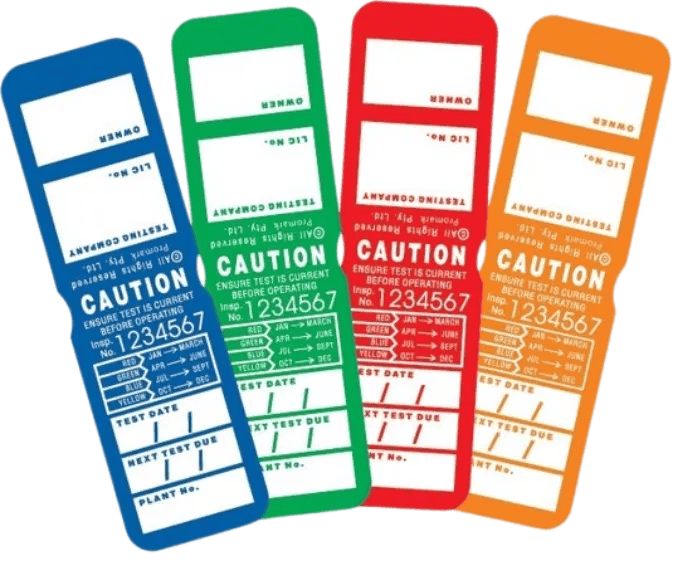
How Does Non-Compliance Affect Your Insurance Indemnity?
Insurance policies are legal contracts. Most commercial policies include a clause requiring the insured to comply with all relevant laws, regulations, and Australian Standards. If an electrical fire occurs and it is determined that the cause was a faulty appliance that was overdue for testing according to AS/NZS 3760 compliance standards, the insurer has strong grounds to dispute the claim.
The "Reasonable Precautions" Clause
Almost every public liability and property insurance policy contains a "reasonable precautions" clause. This clause stipulates that the policyholder must take all reasonable steps to prevent loss, damage, or injury. If a Brisbane office or warehouse ignores its test and tag obligations, they are essentially providing the insurer with evidence of negligence.
| Risk Category | Testing Frequency (AS/NZS 3760) | Insurance Risk Level |
|---|---|---|
| Construction/Demolition | 3 Months | High |
| Factories/Workshops | 6 Months | High |
| Commercial Kitchens | 12 Months | Moderate |
| Standard Office Environment | 5 Years (if RCD protected) | Low |
Failing to meet these frequencies is viewed by adjusters as a breach of the policy conditions. When the investigator asks for your compliance register and you cannot provide one, the financial liability shifts from the insurer directly to the business owner.
The Systematic Process of Fire Safety Maintenance: Are You Meeting AS1851:2012?
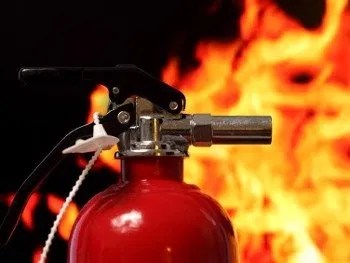
While electrical safety is paramount, fire protection systems are equally vital for insurance validity. In Queensland, the maintenance of fire extinguishers, fire blankets, and hose reels must adhere to AS1851:2012. This standard requires a 6-monthly routine testing schedule to ensure equipment is functional when needed most.
How Does Fire Equipment Failure Impact Claims?
If a minor fire escalates into a total loss because a fire extinguisher was empty or the pressure gauge was faulty due to lack of maintenance, the insurer may argue that the loss was "mitigatable." By not maintaining the equipment, you have failed to mitigate the risk.
For a comprehensive understanding of these requirements, businesses should consult The 2026 Comprehensive Fire Safety Handbook for Brisbane Businesses, which outlines the specific maintenance cycles for all fire-related assets.
The Financial Implications: A Detailed Look at Fines and Penalties
Beyond the risk of denied insurance claims, the Queensland government imposes severe penalties for non-compliance with electrical and workplace safety duties. These are categorized based on the severity of the breach and the risk to life.
Category 1: Reckless Conduct
This is the most serious breach, involving conduct that exposes an individual to a risk of death or serious injury through recklessness.
- Corporations: Fines up to $3,000,000.
- Individuals (as PCBUs): Up to $600,000 and/or 5 years imprisonment.
Category 2: Failure to Comply with a Duty (High Risk)
This occurs when a duty holder fails to comply with a health and safety duty, exposing an individual to risk.
- Corporations: Fines up to $1,500,000.
- Individuals: Up to $300,000.
Category 3: Failure to Comply with a Duty
This involves a breach of duty without the specific exposure to serious risk proven, such as failing to maintain records or failing to test equipment within the required timeframe.
- Corporations: Fines up to $500,000.
- Individuals: Up to $100,000.
In 2024, the introduction of industrial manslaughter-level penalties means that negligent conduct resulting in death can now attract fines exceeding $16 million for corporations. When viewed against these figures, the cost of a professional Brisbane test and tag service is negligible.
Mitigation Strategies: Implementing a Comprehensive Compliance Schedule
To protect your business from legal exposure and ensure insurance validity, a proactive and systematic approach to safety is required. Mitigation is not about a single visit; it is about an ongoing cycle of verification.
Step 1: Asset Identification and Frequency Determination
Every electrical appliance and fire safety asset must be logged. You must determine the correct testing interval based on the environment. A warehouse in Ipswich will have different requirements than an accounting firm in the Brisbane CBD.
Step 2: Professional Testing and Tagging
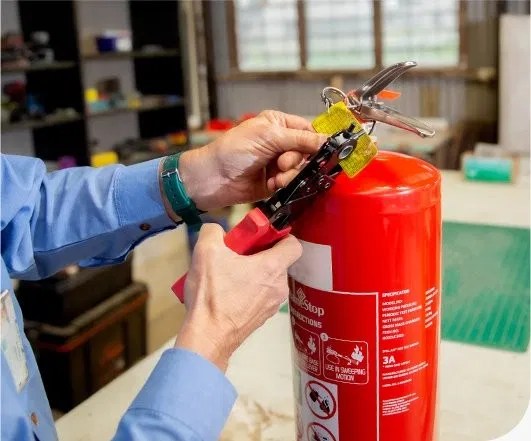
Engage a competent, fully insured provider to perform the inspections. At ABC Test Tag & Fire, we provide detailed digital compliance certificates and QR-coded tags, which serve as your primary evidence for both WHS auditors and insurance adjusters.
Step 3: Bundling for Efficiency
Many businesses fail to remain compliant because they find coordinating multiple contractors: one for fire, one for electrical, one for exit lights: too difficult. By bundling these services, you can reduce costs by 20-40% and ensure all compliance dates are synchronized.
Why Documentation is Your Best Defense
In the event of an incident, the burden of proof lies with the business owner. You must be able to demonstrate that you have fulfilled your regulatory requirements. Paper-based systems are often lost or damaged; therefore, a digital reporting system is essential.
Our digital reports provide:
- Date of Test: Precise timing of the last inspection.
- Item Identification: Serial numbers or QR codes linked to specific equipment.
- Test Results: PASS/FAIL status based on electronic readings.
- Next Test Due Date: Automatic reminders to ensure you never fall out of compliance.
Furthermore, businesses can earn Qantas Points on these essential services, turning a mandatory compliance cost into a benefit for the company.
Is Your Current Provider Meeting These Standards?
Ask yourself: Does my current provider offer a comprehensive digital register? Are they testing my fire blankets and extinguishers to AS1851:2012 standards simultaneously? If not, you may be leaving your business exposed to significant risk.
Conclusion: Safety is a Legal and Financial Mandate
Workplace safety in Brisbane and Ipswich is not merely about physical protection; it is about ensuring the longevity and legal standing of your business. The "common mistakes" of skipping 6-monthly fire inspections or ignoring the testing of RCDs can lead to a chain reaction of regulatory fines, denied insurance claims, and personal liability for directors.
By implementing a systematic compliance process that integrates electrical, fire, and exit light testing, you mitigate these risks effectively. Compliance is the only way to ensure that when you reach for that insurance safety net, it is actually there to catch you.