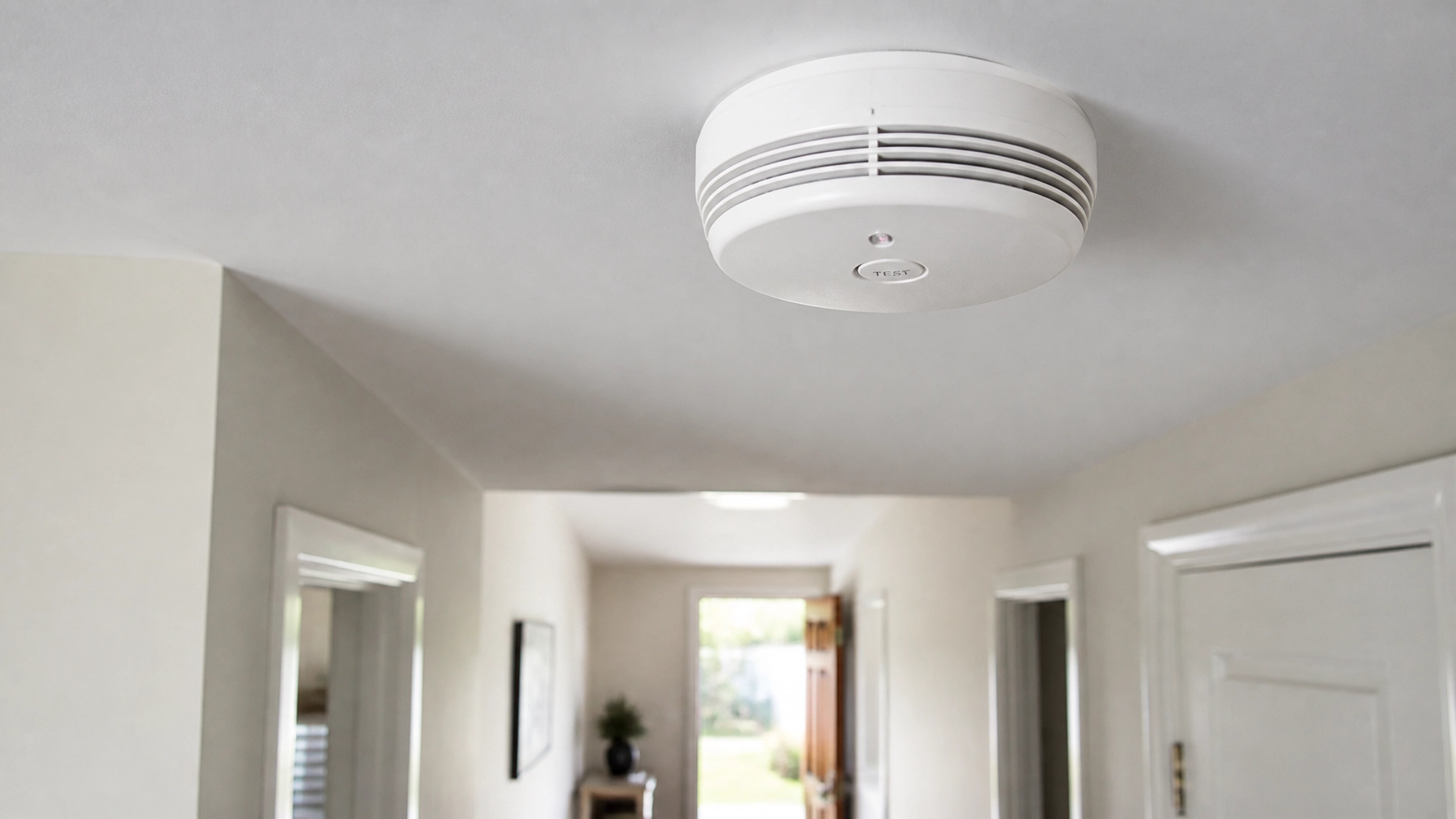
As the calendar progresses toward the critical deadline of 1 January 2027, homeowners across Queensland: from the coastal suburbs of the Gold Coast to the burgeoning residential hubs of Ipswich and Brisbane: face a significant shift in legislative requirements. The Queensland Government has mandated a comprehensive upgrade to smoke alarm systems within all existing private dwellings. This is not merely a recommendation for enhanced safety; it is a strict regulatory requirement that demands immediate attention to ensure compliance and, more importantly, the protection of life and property.
Navigating the complexities of the Fire and Emergency Services Act 1990 and the Building Fire Safety Regulation 2008 can be a daunting task for the average homeowner. Failure to adhere to these standards by the 2027 deadline may result in legal liability, potential insurance complications, and increased risk during a fire emergency. The compliance pathway is also not limited to detached houses. It directly affects units, townhouses, and strata-managed properties, including schemes participating in the Queensland Government's Smart Strata program, which focuses on helping body corporates and owners understand and implement lawful smoke alarm upgrades.
How can you ensure your property is fully compliant before the deadline? What are the technical specifications required by the new legislation? How do the legislated deadlines apply to new builds, renovations, existing homes, and strata properties? This guide outlines the five essential components every Queensland homeowner must understand regarding smoke alarm installation and compliance.
1. What is the Interconnection Mandate?
The most fundamental shift in the upcoming legislation is the requirement for "interconnection." Under the new laws, if one smoke alarm in the dwelling is triggered, every other required smoke alarm in the premises must also sound. This systematic process ensures that occupants are alerted to a fire hazard regardless of which room the fire originates in.
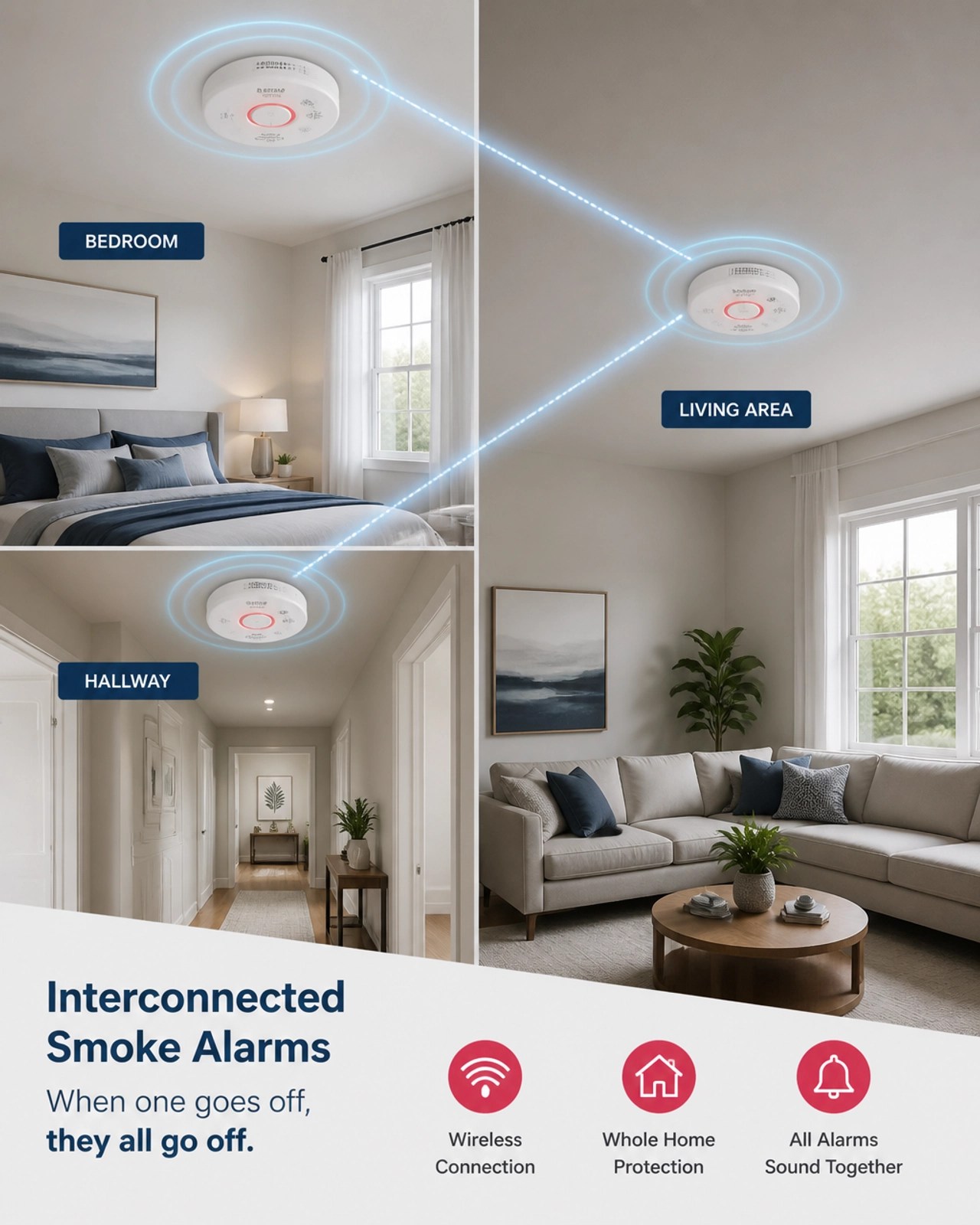
Interconnection can be achieved through two primary methods:
- Physical Wiring: Hardwiring the alarms together via the home’s electrical circuit.
- Wireless Interconnection: Utilizing radio frequency (RF) technology to link the alarms without additional cabling.
This requirement is critical because fire can spread rapidly, and an alarm sounding in a remote part of the house may not be audible through closed doors or over the sound of air conditioning. By mandating interconnection, the legislation aims to maximize the available time for evacuation, which is often the difference between safety and tragedy.
Just as importantly, interconnection is not optional for compliant alarms under the current Queensland framework. Whether the property is a standalone house, townhouse, or apartment, the required alarms must operate as a unified warning system. This point is especially relevant for body corporates and strata committees reviewing upgrade works under the Smart Strata initiative, where coordinated compliance planning across lots and common property is essential.
2. Why Must You Use Photoelectric Technology?
The 2027 standards explicitly require the installation of photoelectric smoke alarms. Older ionisation alarms, which were common for decades, are no longer considered sufficient for residential safety in Queensland.
What is the difference between these technologies? Photoelectric alarms work by using a light source and a light sensor. When smoke enters the chamber, it scatters the light, triggering the alarm. This technology is significantly more effective at detecting "smouldering" fires: the type of fires most common in residential settings, often caused by electrical faults or unattended candles.
"Photoelectric smoke alarms are much faster at detecting smouldering fires than ionisation alarms. They provide the earliest possible warning for occupants to escape a fire safely." : Queensland Fire and Emergency Services (QFES).
All new installations must comply with AS 3786:2014. This point must be treated as a non-negotiable specification, not a general preference. Homeowners, landlords, and strata decision-makers should verify that each alarm:
- Is photoelectric in design.
- Clearly bears the AS 3786:2014 mark on the unit.
- Has a 10-year sealed lithium battery, unless the alarm is hardwired to the mains supply.
- Is capable of being interconnected with the other required alarms in the dwelling.
When purchasing or inspecting alarms, homeowners must verify that the "AS 3786:2014" mark is clearly visible on the unit to ensure it meets the necessary Australian Standards. If that marking is absent, the alarm should not be assumed compliant.
3. Where Must Alarms Be Strategically Installed?
The legislation is highly prescriptive regarding the placement of smoke alarms within a dwelling. Compliance is not achieved by simply having a single alarm on each level; the distribution must be comprehensive.
By 1 January 2027, smoke alarms must be installed in the following locations:
- In every bedroom: To ensure sleeping occupants are alerted immediately.
- In hallways: Specifically those that connect bedrooms to the rest of the dwelling.
- On every storey: Regardless of whether that storey contains bedrooms or not.
- In the path of travel: For storeys without bedrooms, the alarm must be placed in the most likely path an occupant would take to exit the building.
For homes in Ipswich and Brisbane with unique architectural layouts, determining the "required location" can be complex. It is often beneficial to have a professional audit conducted to map out a compliant installation plan.
4. Hardwired vs. 10-Year Battery: What Are Your Power Options?
Queensland homeowners have two paths to compliance regarding the power supply of their smoke alarm systems. The choice often depends on the existing infrastructure of the home and the owner's long-term maintenance preferences.
- Hardwired 240V Alarms: These units are connected directly to the home's mains power and must include a secondary battery backup. Crucially, legislation dictates that if a homeowner is replacing an existing hardwired alarm, it must be replaced with another hardwired alarm. These must be installed by a licensed electrician.
- 10-Year Non-Removable Lithium Battery Alarms: For areas where hardwiring is not feasible or where no existing hardwired system exists, homeowners can opt for units powered by a non-removable 10-year sealed lithium battery. These units are designed to last the entire lifespan of the alarm, eliminating the need for annual battery changes.
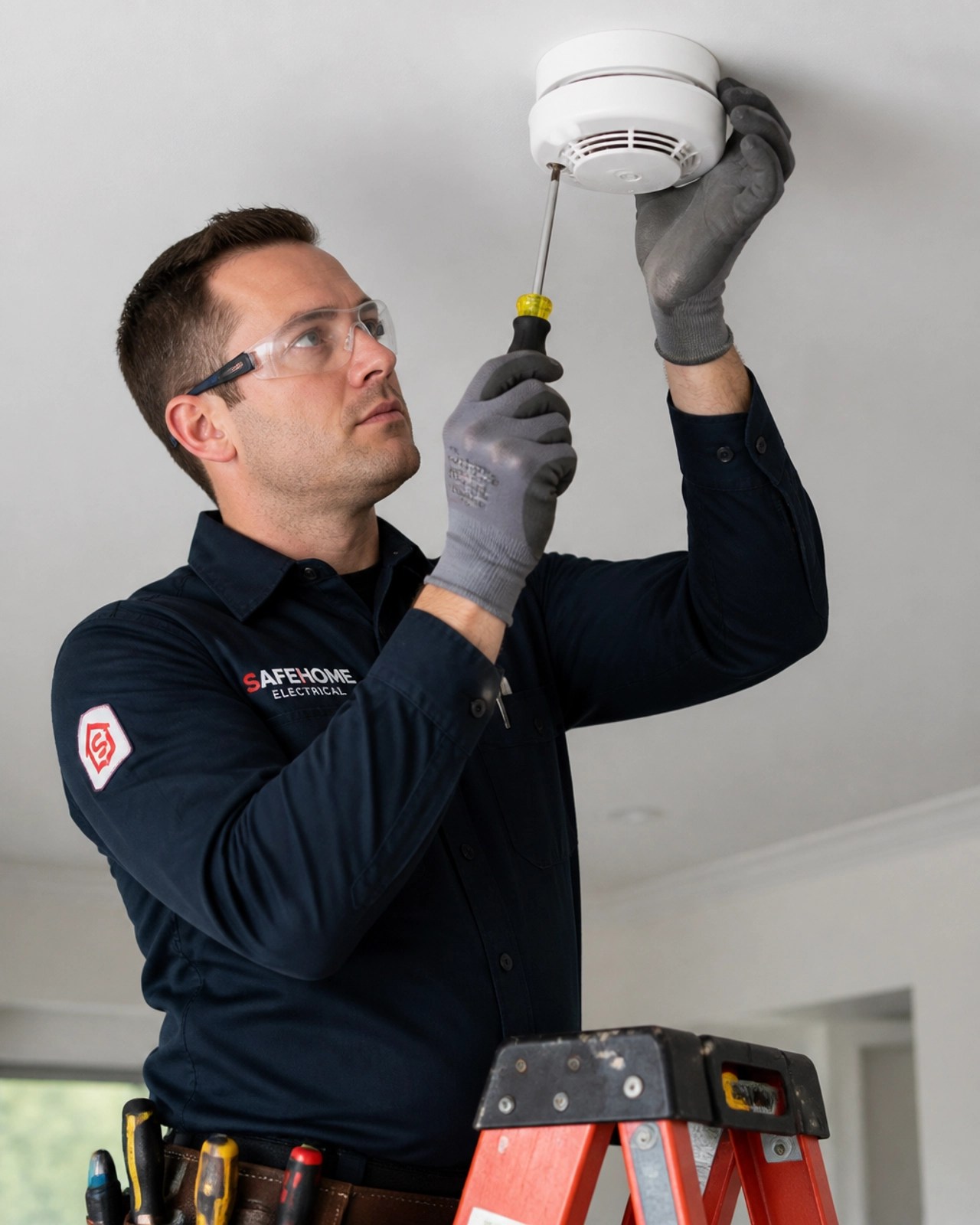
The practical compliance rule is straightforward: compliant alarms must either be hardwired or fitted with a sealed 10-year lithium battery, and in both cases they must still be photoelectric, marked AS 3786:2014, and interconnected where required. Battery-operated alarms with replaceable 9V batteries do not satisfy the current Queensland smoke alarm standard for these legislated upgrades.
Regardless of the power source, all alarms have a maximum service life of 10 years from the date of manufacture. If your current alarms are nearing this age, they must be replaced as part of your 2027 compliance strategy.
5. How to Mitigate Costs and Ensure Professional Compliance?
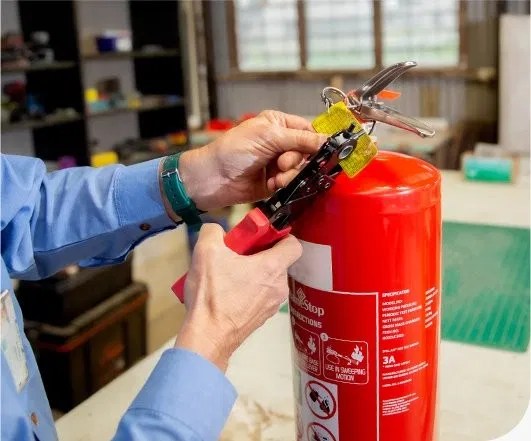
Achieving full compliance for a multi-bedroom, multi-storey home can represent a notable financial investment. However, there are systematic ways to reduce this burden. At ABC Test Tag & Fire, we specialize in comprehensive compliance solutions that extend beyond residential smoke alarms to fire extinguisher testing and electrical test and tag services.
For body corporates and strata committees, the compliance task is broader than a single-unit installation. Under the Queensland smoke alarm framework, committees should work on the basis that they must ensure both common areas and individual units are compliant where the legislation applies. This is why the Smart Strata program has become an important reference point for strata-managed schemes: it reinforces the need for organised, scheme-wide planning rather than fragmented lot-by-lot action. In practical terms, a documented inspection program and a formal compliance certificate are strongly recommended to demonstrate due diligence, support recordkeeping, and reduce uncertainty for owners, managers, insurers, and prospective purchasers.
Homeowners can take advantage of our unique service offerings:
- Bundling Savings: By combining your smoke alarm installation with other essential safety services, you can achieve savings of up to 40%. This cost-mitigation strategy is particularly effective for property owners who also manage small home-based businesses or commercial sites.
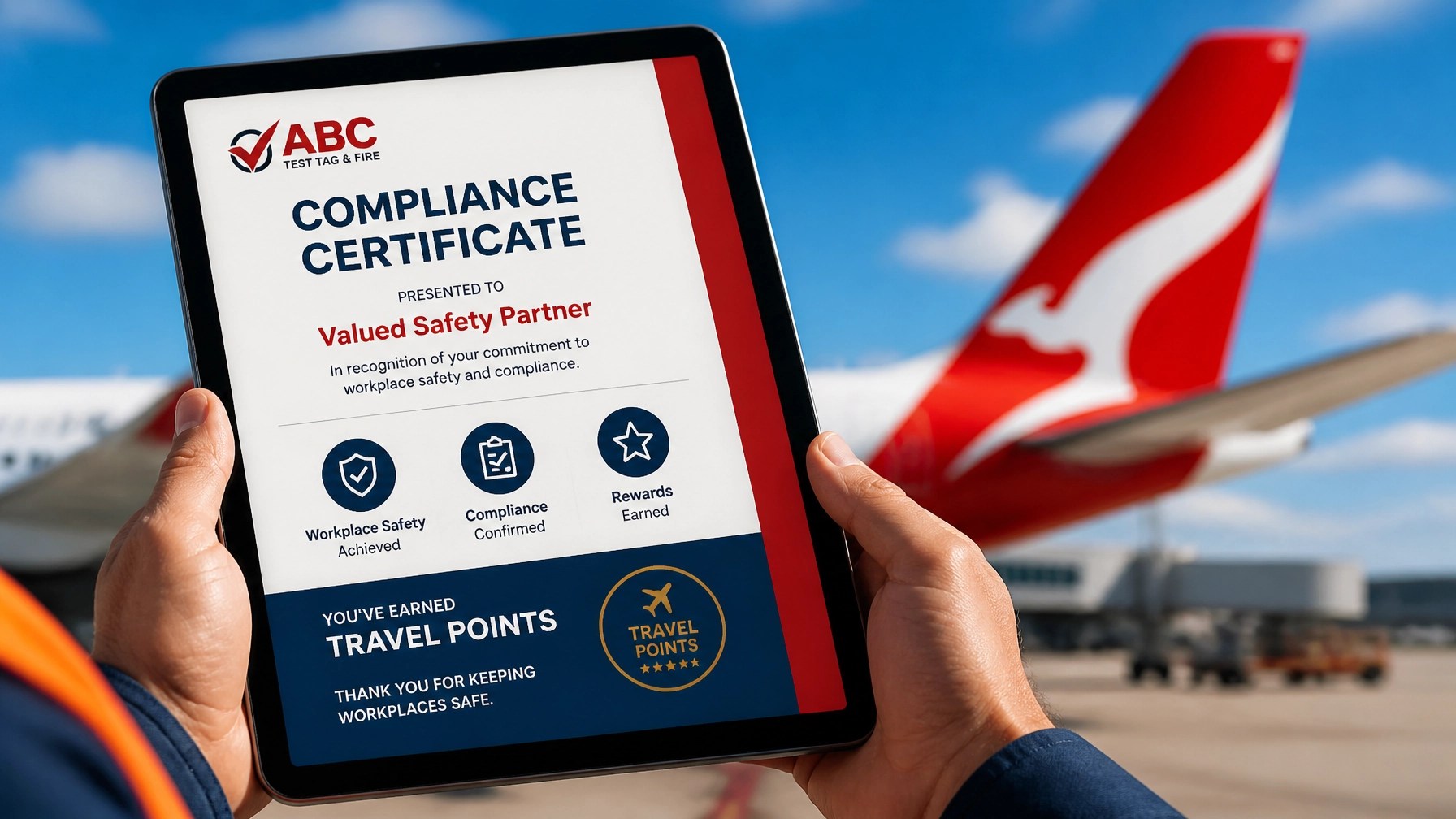
- Digital Reporting: We provide fast, hassle-free digital compliance certificates, giving you a permanent record for insurance and legal purposes.
- Qantas Points: As a unique benefit, choosing ABC Test Tag & Fire allows you to earn QANTAS points on your safety compliance services, turning a regulatory necessity into a travel reward.
What Are the Legislated Deadlines?
Queensland's smoke alarm reform has been staged. The critical dates are:
- 1 January 2022: The upgraded smoke alarm requirements apply to new dwellings and to dwellings undergoing substantial renovations.
- 1 January 2027: The upgraded smoke alarm requirements apply to all existing private dwellings.
For strata and community titles schemes, these deadlines are highly significant. They do not remove the need for committees and managers to plan now. They increase it.
The Systematic Process for Compliance
To ensure your home is ready before the 1 January 2027 deadline, we recommend following this proactive checklist:
- Audit: Identify the age, type, power source, and AS 3786:2014 marking of your current alarms.
- Map: Determine the required locations for new alarms based on the number of bedrooms and storeys, and confirm that interconnection can be achieved across the dwelling.
- Consult: Contact a professional service provider to discuss hardwiring versus wireless interconnection options, particularly for units and strata-managed properties.
- Install: Ensure all installations are performed by qualified technicians and verified as photoelectric, interconnected, and either hardwired or fitted with a sealed 10-year lithium battery.
- Document: Retain your digital compliance certificates for future reference, and for body corporates consider maintaining a scheme-wide compliance certificate and supporting records.
Conclusion: Act Now to Avoid the 2027 Rush
The transition to interconnected photoelectric smoke alarms is the most significant change to Queensland fire safety laws in a generation. The key requirements are clear: alarms must be photoelectric, marked AS 3786:2014, fitted with a sealed 10-year lithium battery unless hardwired, and interconnected. The deadlines are equally clear: 1 January 2022 for new builds and substantial renovations, and 1 January 2027 for all existing private dwellings. For strata-managed properties and committees working through Smart Strata guidance, the obligation extends to coordinated compliance across common areas and individual lots.
While 2027 may seem distant, the demand for qualified installers is expected to surge as the deadline approaches. By acting now, homeowners in Brisbane, the Gold Coast, and Ipswich can ensure their families are protected by the highest safety standards while taking advantage of significant bundling discounts and rewards.
Don't leave your safety to chance or last-minute compliance. Contact ABC Test Tag & Fire today to secure your property and your peace of mind.