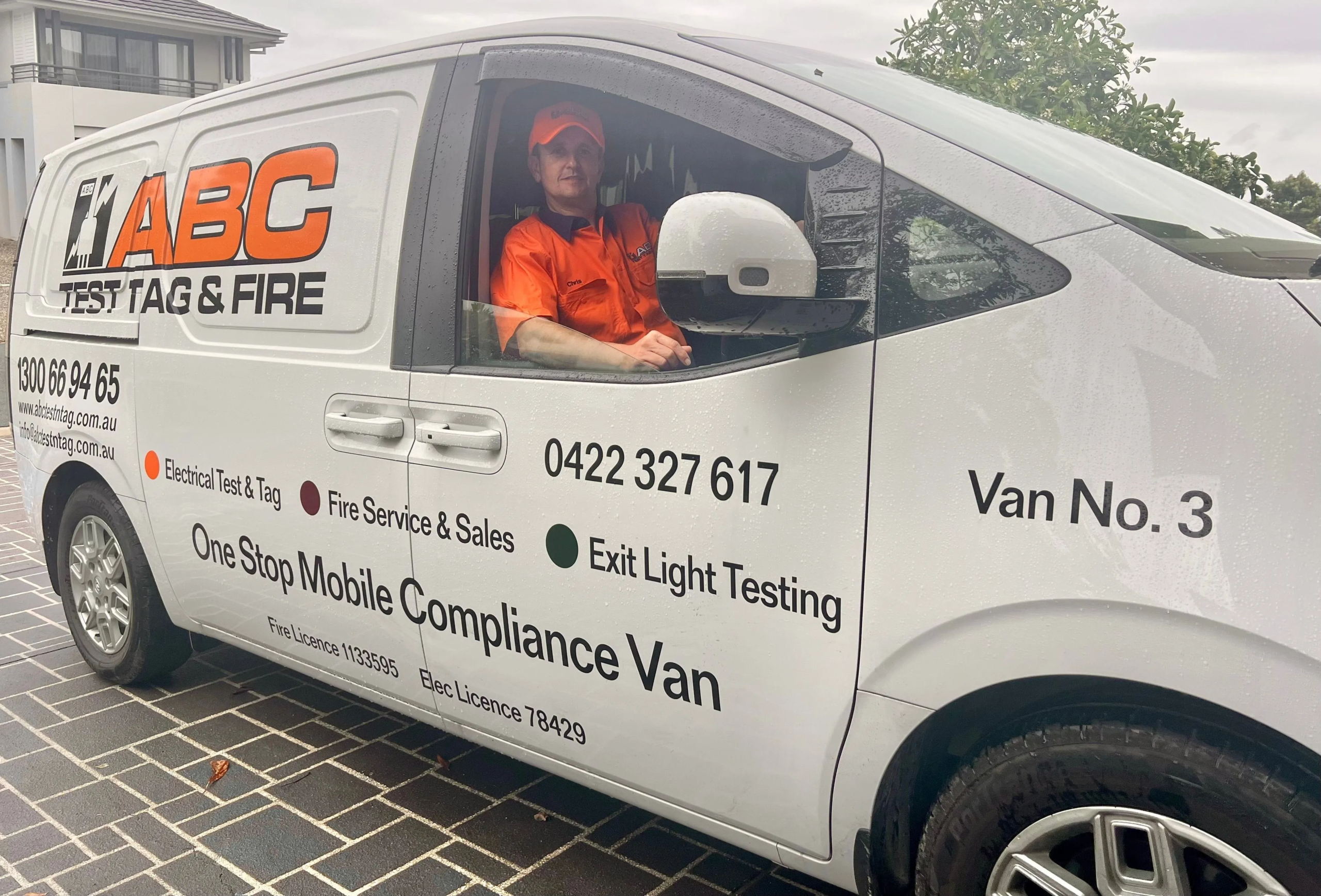
Comprehensive Test and Tag Services for Electrical Safety Compliance in Logan
Ensuring electrical safety compliance is crucial for any workplace, as it protects both employees and customers from potential hazards. This article delves into the significance of test and tag services, the procedures involved, and the regulatory requirements that govern these essential practices. Readers will gain insights into how these services not only enhance safety but also ensure compliance with Australian standards. The importance of regular testing and tagging cannot be overstated, as it mitigates risks associated with electrical equipment failures. We will explore the key benefits of these services, the compliance requirements under Australian regulations, and the consequences of non-compliance. Additionally, we will highlight how ABC Test Tag and Fire can assist in meeting these compliance needs effectively.
Importance of Test and Tag Services:
Test and tag services play a vital role in maintaining workplace safety by ensuring that electrical equipment is functioning correctly and safely. These services help prevent electrical hazards, which can lead to serious accidents or even fatalities. Regular testing and tagging not only fulfill legal compliance requirements but also protect employees and customers from potential risks associated with faulty electrical equipment. By implementing these services, businesses can create a safer working environment and demonstrate their commitment to safety standards.
Procedures Involved:
The test and tag process involves several key steps to ensure thorough inspection and compliance. These steps typically include:
- Visual Inspections: Assessing the physical condition of electrical equipment to identify any visible defects or hazards.
- Electrical Testing: Conducting tests to measure the safety and functionality of the equipment, ensuring it meets required standards.
- Tagging and Reporting: After testing, equipment is tagged with a label indicating its compliance status, and a report is generated detailing the findings.
These procedures are essential for maintaining electrical safety and ensuring that all equipment is compliant with relevant regulations.
Regulatory Requirements:

Understanding the regulatory framework surrounding electrical safety is crucial for businesses. The Electrical Safety Act 2002 and AS/NZS 3760 outline the legal obligations for testing and tagging electrical equipment. Compliance with these regulations is mandatory, and businesses must adhere to specific testing frequency requirements based on the type of equipment used. Failure to comply can result in significant legal penalties and increased risks of accidents.
Logan Test and Tag Services for Electrical Safety Compliance
Test and tag services are systematic processes that involve inspecting and testing electrical equipment to ensure it is safe for use. These services are essential for workplace electrical safety as they help identify potential hazards before they lead to accidents. By ensuring that equipment is compliant with safety standards, businesses can protect their employees and customers from electrical risks. Moreover, regular testing and tagging demonstrate a commitment to safety and compliance, which can enhance a company’s reputation.
Key Benefits of Test and Tag Services
Utilizing test and tag services offers several key benefits, including:
- Enhanced Safety: Regular testing reduces the risk of electrical accidents, ensuring a safer workplace.
- Compliance Assurance: These services help businesses meet legal obligations, avoiding potential fines and penalties.
- Insurance Compliance: Many insurance policies require proof of regular testing and tagging, making these services essential for coverage.
For businesses in Logan, choosing a reliable provider like ABC Test Tag and Fire can ensure that these benefits are realized effectively.
Compliance Requirements under Australian Electrical Safety Regulations
Australian electrical safety regulations mandate specific compliance requirements for businesses. These include:
- Adhering to the Electrical Safety Act 2002, which outlines the responsibilities of employers regarding electrical safety.
- Following AS/NZS 3760 standards for the testing and tagging of electrical equipment.
- Maintaining documentation of all testing and tagging activities to demonstrate compliance.
Understanding these requirements is crucial for businesses to avoid legal repercussions and ensure a safe working environment.
Consequences of Non-Compliance
Failing to comply with electrical safety regulations can lead to severe consequences, including:
- Legal Penalties: Businesses may face fines or legal action for non-compliance with safety regulations.
- Increased Risk of Accidents: Non-compliant equipment poses a higher risk of electrical failures, leading to potential injuries or fatalities.
- Financial Liabilities: In the event of an accident, businesses may incur significant costs related to damages, legal fees, and increased insurance premiums.
By prioritizing compliance through regular test and tag services, businesses can mitigate these risks effectively.
How Does the Test and Tag Process Ensure Compliance with Australian Standards?
The test and tag process is designed to align with Australian standards, ensuring that all electrical equipment is safe for use. This process typically involves:
- Initial Consultation: Assessing the specific needs of the business and determining the scope of testing required.
- Visual Inspection: Conducting a thorough examination of all electrical equipment to identify any visible issues.
- Documentation of Compliance: Generating reports that detail the testing results and compliance status of each piece of equipment.
This systematic approach ensures that businesses meet their compliance obligations and maintain a safe working environment.
Step-by-Step Electrical Equipment Inspection and Testing Procedures
The following steps outline the typical procedures involved in electrical equipment inspection and testing:
- Initial Assessment: Evaluating the equipment to determine the necessary tests.
- Conducting Tests: Performing electrical tests to measure safety and functionality.
- Reporting Results: Documenting the findings and tagging the equipment accordingly.
These procedures are essential for ensuring that all electrical equipment is compliant with safety standards.
Certification and Tagging Requirements According to AS/NZS 3760
Certification and tagging are critical components of the test and tag process. According to AS/NZS 3760, all tested equipment must be tagged with a label indicating its compliance status. This label serves as proof that the equipment has been inspected and deemed safe for use. Additionally, businesses must maintain records of all testing activities to demonstrate compliance with regulatory requirements.
What Are the Regulatory Requirements and Safety Standards Governing Test and Tag Services in Logan?
In Logan, businesses must adhere to specific regulatory requirements and safety standards governing test and tag services. These include:
- Compliance with the Electrical Safety Act 2002, which outlines the responsibilities of employers regarding electrical safety.
- Following AS/NZS 3760 standards for the testing and tagging of electrical equipment.
- Ensuring that all testing is conducted by qualified professionals to maintain compliance.
Understanding these regulations is essential for businesses to ensure safety and avoid legal repercussions.
Overview of Australian Electrical Safety Regulations and Safe Work Australia Guidelines
Australian electrical safety regulations are designed to protect workers and the public from electrical hazards. Safe Work Australia provides guidelines that outline best practices for electrical safety, including:
- Regular testing and tagging of electrical equipment.
- Maintaining proper documentation of all safety inspections.
- Ensuring that all electrical work is performed by qualified professionals.
By following these guidelines, businesses can create a safer working environment and comply with legal obligations.
How Often Should Electrical Equipment Be Tested and Tagged to Maintain Compliance?
The frequency of testing and tagging electrical equipment depends on several factors, including the type of equipment and its usage. Generally, high-risk equipment should be tested every 6 months, while lower-risk equipment may require testing every 12 months. Regular testing ensures that all equipment remains compliant with safety standards and reduces the risk of electrical hazards.
Testing Frequency Based on Equipment Type and Usage
Different types of equipment have varying testing frequency requirements. For example:
- High-Risk Equipment: Requires testing every 6 months to ensure safety.
- Medium-Risk Equipment: Should be tested every 12 months.
- Low-Risk Equipment: May require testing every 2 years.
Understanding these requirements is crucial for maintaining compliance and ensuring workplace safety.
Consequences of Non-Compliance and Risk Mitigation Strategies
Non-compliance with electrical safety regulations can lead to serious consequences, including legal penalties and increased risks of accidents. To mitigate these risks, businesses should implement the following strategies:
- Regular Testing: Schedule routine testing and tagging of all electrical equipment.
- Training: Provide training for employees on electrical safety practices.
- Documentation: Maintain accurate records of all testing activities to demonstrate compliance.
By prioritizing compliance, businesses can protect their employees and customers from potential hazards.
What Are the Costs and Booking Procedures for Test and Tag Services in Logan?
The costs associated with test and tag services can vary based on several factors, including the type and number of equipment being tested. Businesses should consider the following when budgeting for these services:
- Cost Factors: The complexity of the equipment and the frequency of testing can influence overall costs.
- Booking Procedures: To schedule test and tag services, businesses should contact a qualified provider to discuss their specific needs and arrange for a convenient time for testing.
Transparent Pricing Models for Electrical Testing Services
Many providers offer transparent pricing models for electrical testing services, allowing businesses to understand the costs involved upfront. This transparency helps businesses budget effectively and ensures they receive quality services without hidden fees.
How to Schedule Professional Test and Tag Services Efficiently
To schedule professional test and tag services efficiently, businesses should:
- Identify Needs: Assess the specific equipment that requires testing.
- Choose a Service Provider: Research and select a qualified provider with a good reputation.
- Prepare for the Visit: Ensure that all equipment is accessible and that any necessary documentation is ready.
By following these steps, businesses can streamline the scheduling process and ensure timely compliance.
What Are the Benefits of Choosing ABC Test Tag and Fire for Your Electrical Safety Compliance Needs?

Choosing ABC Test Tag and Fire for electrical safety compliance needs offers several advantages, including:
- Service Quality: The company is known for its thorough and reliable testing services.
- Expertise: With extensive knowledge of local compliance requirements, ABC Test Tag and Fire ensures that all services meet regulatory standards.
- Customer Support: The company provides excellent customer service, assisting clients throughout the testing process.
Expertise in Local Compliance and Prompt Service Delivery
ABC Test Tag and Fire specializes in local compliance, ensuring that all services are tailored to meet the specific needs of businesses in Logan. Their prompt service delivery means that clients can expect timely testing and tagging, minimizing disruptions to their operations.
Client Success Stories and Compliance Assurance
ABC Test Tag and Fire has a proven track record of helping businesses achieve compliance with electrical safety regulations. Client testimonials highlight the effectiveness of their services in enhancing workplace safety and ensuring peace of mind regarding compliance.