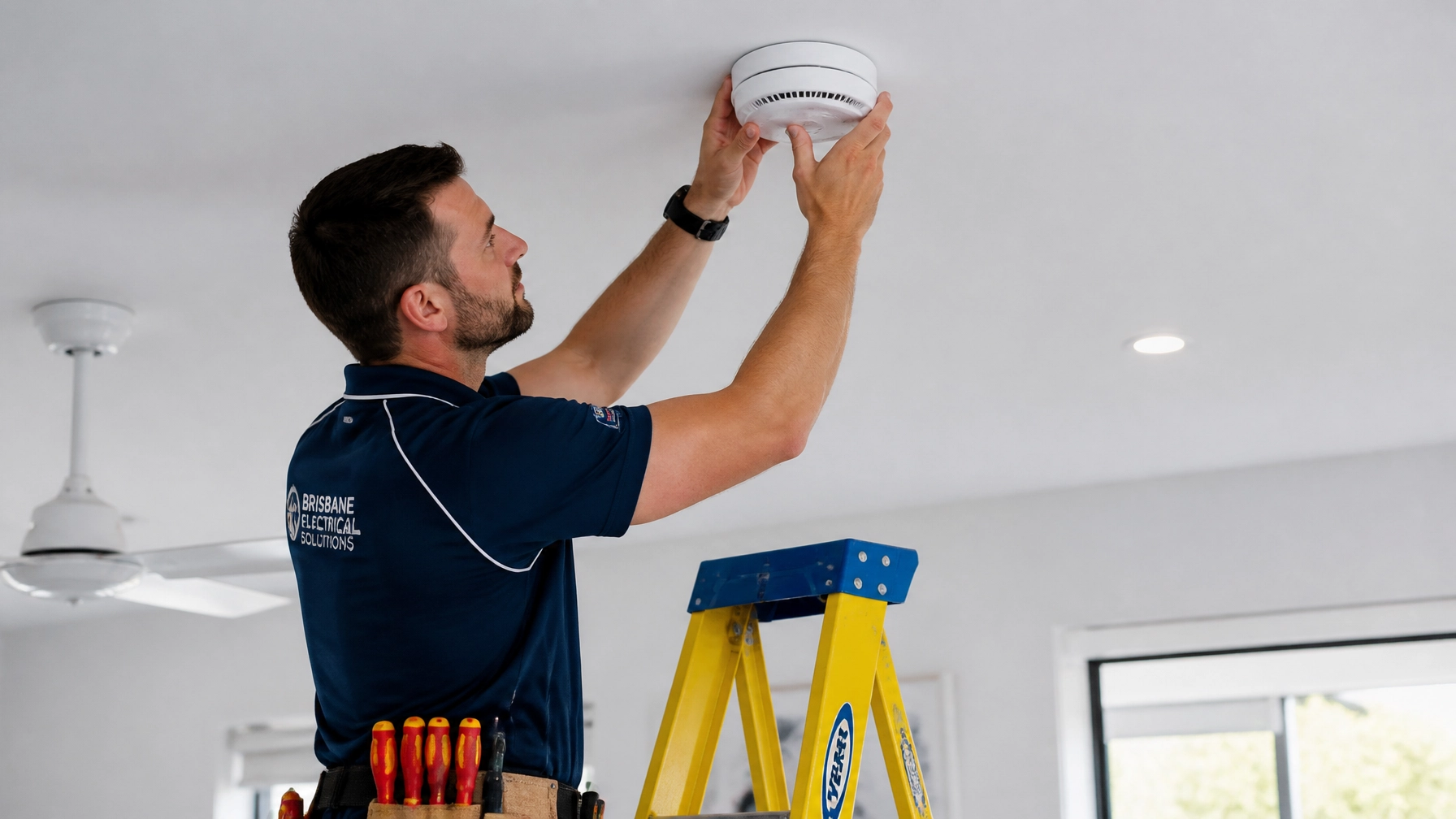
As the final milestone of Queensland’s comprehensive smoke alarm legislation approaches, property owners across Brisbane, Ipswich, and the Gold Coast face a definitive regulatory mandate. By 1 January 2027, every single dwelling in Queensland: regardless of whether it is owner-occupied, rented, or listed for sale: must comply with strict safety standards.
Understanding the legal scope, technical specifications, and operational requirements of this legislation is paramount for mitigating legal liability and safeguarding occupants. This exhaustive guide details what property owners and investors must accomplish before the deadline, the risks of non-compliance, and how integrating safety services can optimize both compliance and expenditure.
What Is the 2027 QLD Smoke Alarm Mandate?
The Queensland smoke alarm legislation, enacted under the Fire and Emergency Services Act 1990 and associated building regulations, represents a phased 10-year transition designed to modernise fire safety across residential properties.
While rental properties and homes prepared for sale have been bound by these regulations since 1 January 2022, the upcoming 1 January 2027 deadline brings owner-occupied residences and all remaining dwellings into full scope.
What Are the Core Technical Requirements Under AS 3786:2014?
Regulatory compliance hinges on adherence to Australian Standard AS 3786:2014. Every smoke alarm installed to meet the 2027 legislation must satisfy specific criteria:
- Photoelectric Technology Only: Alarms must incorporate photoelectric sensors. Ionisation-only alarms are strictly non-compliant and must be decommissioned.
- Standard Certification: The unit or its packaging must explicitly bear the AS 3786:2014 mark.
- Age Limitation: Alarms must be less than 10 years old from their date of manufacture.
- Interconnection: All smoke alarms within the dwelling must be interconnected. When any single alarm detects smoke, all alarms within the property must sound simultaneously. Interconnection can be achieved via hardwired cables or wireless RF technology.
- Power Supply: Units must either be hard-wired to 240V mains power (with battery backup) or powered by a non-removable, sealed 10-year lithium battery.
Where Must Smoke Alarms Be Installed?
Strategic placement is a cornerstone of regulatory compliance. Under the current framework, smoke alarms must be located in specific zones to ensure early occupant warning and safe evacuation pathways:
- In Every Bedroom: Every room designated as a bedroom must feature a compliant smoke alarm.
- Connecting Hallways: Hallways that connect bedrooms to the rest of the dwelling must be fitted with alarms. If a bedroom does not open onto a hallway, an alarm must be positioned in the direct path of travel between the bedroom and other parts of the storey.
- On Every Storey: Multi-story dwellings require compliant alarms on each level. If a storey contains no bedrooms, at least one alarm must be installed in the most likely path of travel to exit that level.
Why Is Compliance Non-Negotiable? Legal and Financial Implications
Failing to meet the 1 January 2027 deadline exposes property owners, landlords, and strata bodies to severe legal and financial repercussions. Regulatory authorities enforce strict penalties for non-compliant dwellings. More critically, property insurance policies frequently contain clauses requiring compliance with statutory safety regulations.
Can Non-Compliance Invalidate Your Insurance?
Insurance underwriters conduct thorough investigations following fire incidents. If an insurer determines that a property failed to meet mandatory QLD smoke alarm standards at the time of an incident, claims may be denied or substantially reduced.
- Voided Payouts: Structural damage claims, contents loss, and public liability liabilities can be rejected.
- Litigation Risks: Landlords and property managers face severe negligence claims from tenants or visitors injured in a fire where alarms failed or were non-compliant.
Ensuring absolute adherence to AS 3786:2014 is not merely an administrative checkbox: it is a vital risk-mitigation strategy. For commercial and residential portfolios across South East Queensland, maintaining up-to-date documentation is essential. Property managers can review specialized guidelines tailored for strata and rental portfolios through our dedicated smoke alarm compliance for QLD property managers resource.
The Impending Late-2026 Price Surge and Bottleneck
Market analysts and industry professionals anticipate a severe logistical bottleneck as the January 2027 deadline approaches. Waiting until the final quarter of 2026 creates unnecessary operational risks:
- Equipment Shortages: High demand for AS 3786:2014 certified photoelectric units often leads to supply chain delays.
- Contractor Availability: Licensed electricians and accredited fire safety technicians will experience fully booked schedules, resulting in inflated service rates and delayed installations.
- Rushed Compliance: Hasty installations increase the risk of improper interconnection or placement errors.
Proactive property owners are scheduling professional smoke alarm installation Brisbane services well in advance to secure priority scheduling and fixed pricing.
How ABC Test Tag & Fire Secures Your Property
Navigating complex fire and electrical compliance frameworks requires expert intervention. At ABC Test Tag & Fire, we provide comprehensive compliance solutions tailored to Brisbane, Ipswich, and Gold Coast property owners, landlords, and businesses.
Comprehensive Safety Services Provided:
- Smoke Alarm Testing & Installation: Supply, installation, and interconnection of AS 3786:2014 compliant photoelectric smoke alarms with digital compliance reporting.
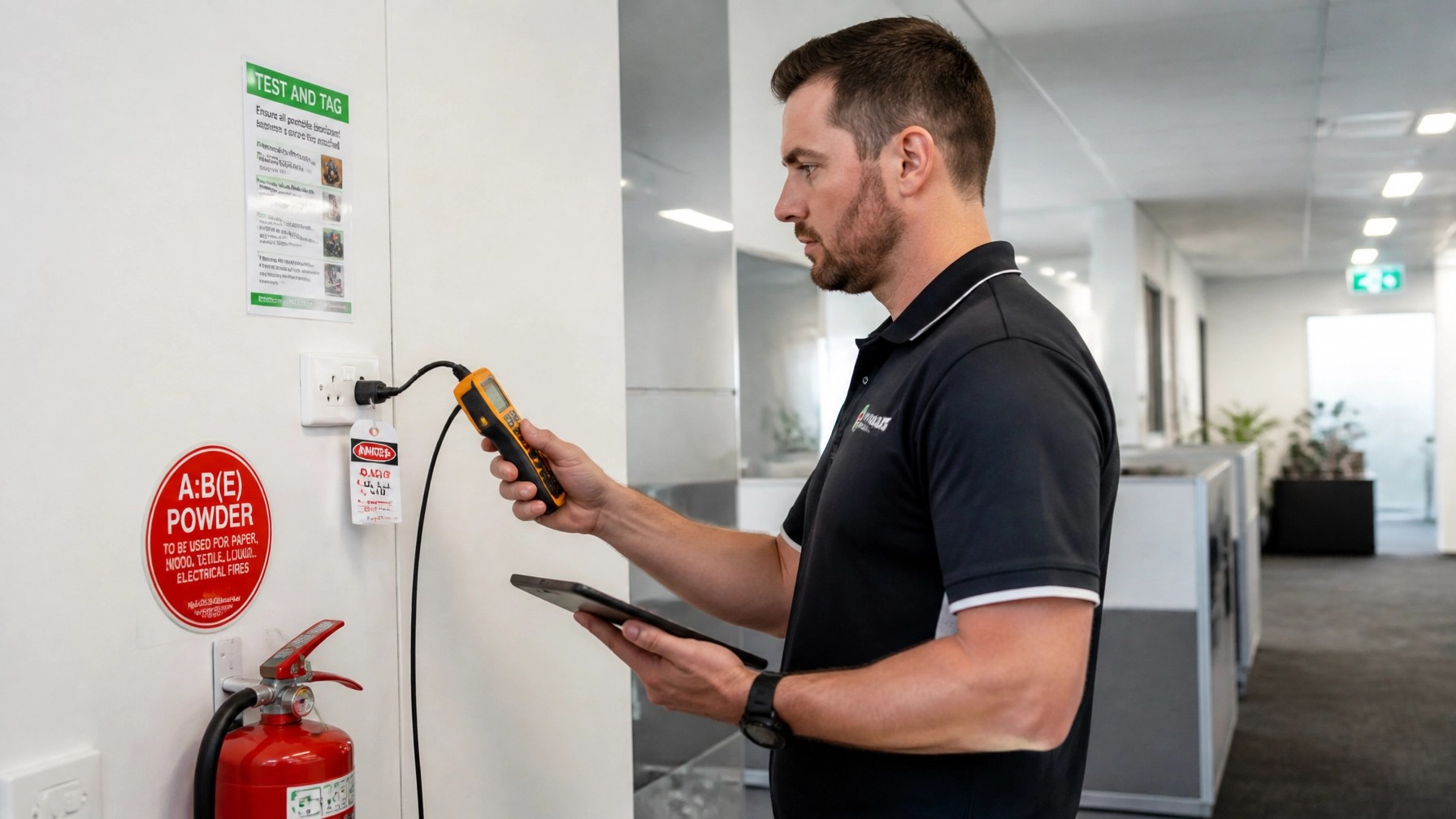
- Electrical Test & Tag & RCD Testing: Ensuring all 240V and 3-phase appliances adhere to AS/NZS 3760 standards. Learn more about our rigorous electrical test and tag services Brisbane.
- Electrical Safety Compliance: Comprehensive safety audits, including mandatory RCD testing Brisbane to protect against electrical faults.
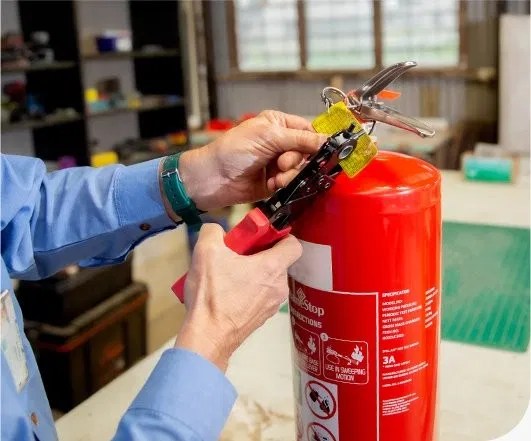
- Fire Service & Sales: Routine 6-monthly and annual testing of fire extinguishers, blankets, and exit lighting in accordance with AS1851 and AS/NZS 2293.
The Financial Advantage of Bundling Compliance Services
Managing fire safety compliance and electrical testing separately often results in inflated administrative overhead and multiple service call-out fees.
By partnering with ABC Test Tag & Fire, clients achieve significant cost efficiencies. Bundling your smoke alarm installation with routine electrical testing and tagging or RCD inspections delivers 20% to 40% in cost savings. Furthermore, commercial and residential clients can earn Qantas Points on eligible compliance services, turning mandatory regulatory obligations into tangible rewards.
Step-by-Step Action Plan for Property Owners
To ensure complete preparedness ahead of the 1 January 2027 deadline, execute this systematic checklist:
- Audit Existing Alarms: Inspect every smoke alarm currently installed in the dwelling. Verify manufacture dates (replace if over 10 years old) and check for the AS 3786:2014 mark.
- Verify Placement: Confirm alarms are present in every bedroom, connecting hallways, and on every storey.
- Test Interconnection: Trigger an alarm to verify that all interconnected units sound simultaneously.
- Book Professional Verification: Engage certified technicians to rectify non-compliant units and issue official digital compliance certificates.
Conclusion: Act Before the Deadline
The 2027 QLD smoke alarm legislation is legally binding, and procrastinating until the eleventh hour invites unnecessary financial and legal exposure. Protecting your family, tenants, and investment assets requires immediate, systematic action.
Don't wait for the last-minute rush. Contact ABC Test Tag & Fire today to schedule your smoke alarm upgrade and bundle your electrical and fire safety compliance requirements for maximum savings.